It’s here. Or rather, it’s leaked. Google’s supposed Remy agent. Whispers on the wire, seen first by Business Insider, about a Gemini-powered personal assistant that doesn’t just talk, it does. Takes actions on your behalf. All day, every day. They say it’s for work, for school, for life. Not just answering queries, but executing tasks. If this is real, and Google’s being suspiciously quiet, then it’s a move beyond the novelty of conversational AI. We’re talking about systems that integrate. Deeply.
Google’s already trotting out its Gemini Agent, a consumer-facing thing they tout as the “next step” to a universal AI assistant. It browses the web, digs into research, and fiddles with some Google apps—if you give it the nod. Remy, if it ever sees the light of day beyond Google’s internal labs, sounds like a whole different beast. It’s an orchestrator. A persistent entity woven into your digital fabric, not just an occasional chat buddy.
The Myth of AGI and Practical Agents
Look, the DeepMind CEO, Demis Hassabis, he’s still out there talking about Artificial General Intelligence. Two big breakthroughs needed, he says. Continual learning, better memory, more efficient context windows. All fine and good for the long game. But what about now? What about systems that can actually do things without constant hand-holding? Remy, in its leaked form, hints at a more pragmatic, present-day evolution. It’s about AI that doesn’t just process information, but acts on it, consistently, over time.
The implications here aren’t lost on the folks building the infrastructure. Yaron Schneider, CTO at Diagrid, nails it. He’s not mincing words: “The next evolution of the AI stack will be extending agent frameworks with durable workflow and orchestration primitives rather than treating agents as isolated prompt-response systems.” This isn’t about adding another layer of AI fluff. This is about building something that works. Reliably. It’s about making agents less like isolated tools and more like functioning cogs in a much larger machine.
For developers, this changes how AI systems are built: autonomous agents increasingly need workflow runtimes underneath them to coordinate state, retries, recovery, identity, and policy enforcement across long-running execution.
AI Steps Out of the Chat Window and Into the Workflow
When agents start coordinating tools and juggling tasks over an extended period, the easy part—getting an answer—becomes the hard part. Suddenly, you’re staring down the barrel of reliability, recovery mechanisms, and good old-fashioned governance. These aren’t abstract concepts for AI researchers; they’re workflow problems. And that means durable execution becomes the bedrock of the entire agent ecosystem. It’s the foundation you can’t skip if you want anything to actually run.
Devin Cheevers at Grafana Labs says it plainly: Remy isn’t a chatbot. It’s a “long-running personal agent.” And that shifts the entire paradigm. Shipping something like this at Google’s gargantuan scale forces them to bake agent runtime infrastructure from the ground up. It’s not just about the AI model; it’s about the plumbing that keeps it all running, day in and day out. When you ditch the synchronous request-response for continuous, delegated execution, you’re not building an AI app anymore. You’re building a distributed system. Full stop. The real story here? Persistence. Proactivity. Stuff like “monitor for things that matter to you” and “handle tasks over time” isn’t just marketing speak. It implies durable execution graphs, state that doesn’t vanish, asynchronous orchestration, and the thorny issue of delegated permissions across your entire digital life—Android, Chrome, Workspace, Search, your identity. It’s a whole infrastructure play.
The Unseen Complexity: What Happens When AI Runs Constantly?
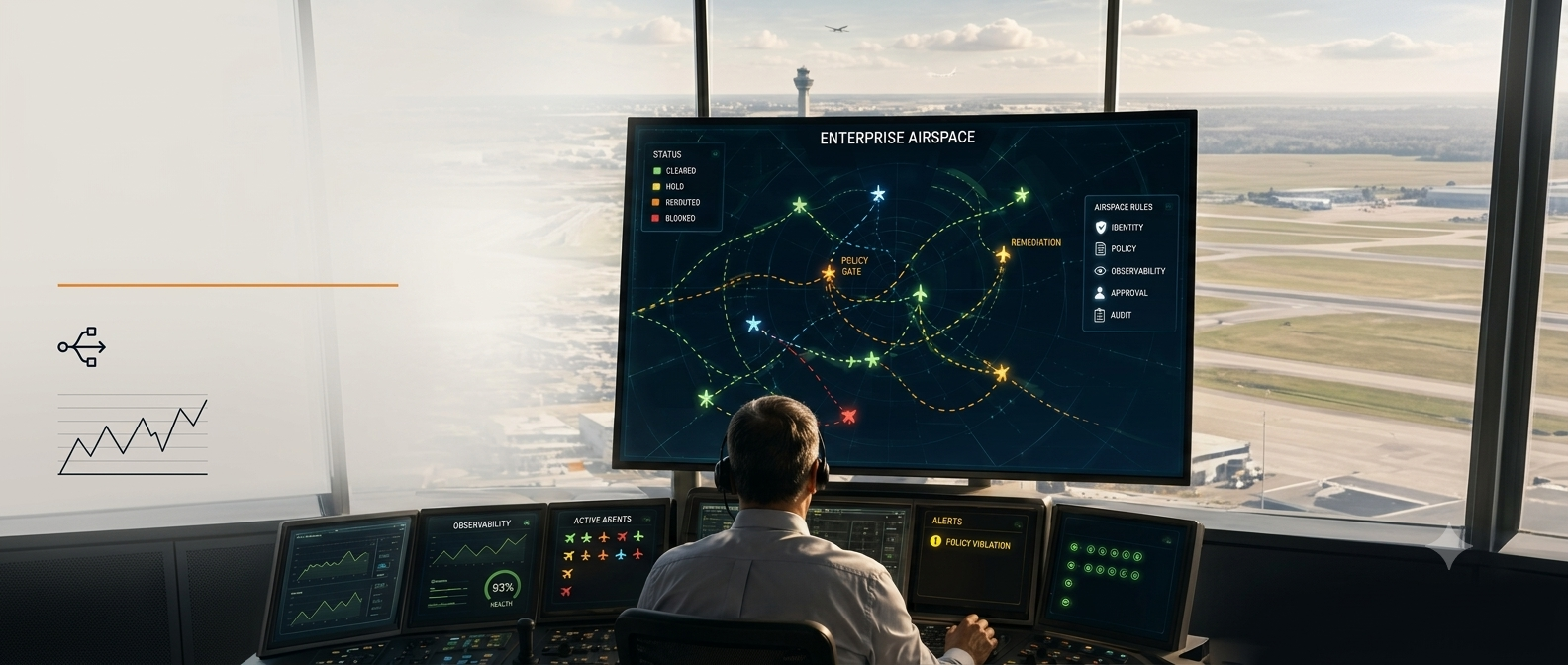
So, what are the actual “hard problems” we’re talking about here? Cheevers, an observability guy at heart, spills the beans. Think authentication propagation—making sure the agent has the right access without over-exposing things. Then there’s replayability (can you rerun a task to debug it?), isolation (keeping different tasks from messing with each other), policy enforcement (making sure it follows the rules), and, of course, observability itself (knowing what the heck it’s even doing). Add to that failed operations, partial failures, scheduling, and state consistency. It’s the stuff that keeps distributed systems engineers up at night. And now, AI agents are bringing that headache to everyone.
Seth Rogers at Kyndryl echoes this sentiment, cutting through the hype. “Remy isn’t a product story; it’s a runtime story,” he states. This isn’t just about a slick new feature. It signals a “structural shift” in how enterprises will architect their AI. And it’s a shift that boards and risk committees need to get their heads around. It’s not just about the AI models getting smarter; it’s about the underlying systems that enable them to operate at scale, reliably, and securely. Who’s making money here? Not just the AI model vendors, but the folks providing the strong, distributed systems infrastructure to support these persistent agents. That’s where the real action is moving.