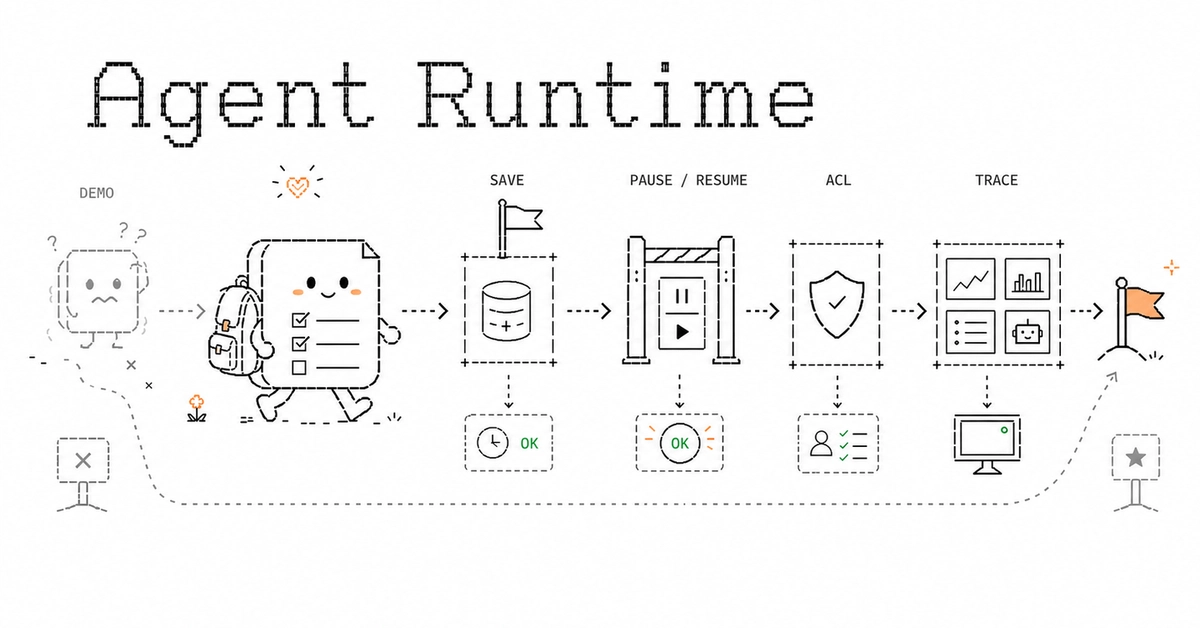
A lonely developer, fueled by lukewarm coffee, stares at a terminal. Code isn’t compiling. The AI agent they’re building feels less like a smart assistant and more like a particularly stubborn mule. This is the world Cloudflare is trying to smooth over.
Look, Cloudflare isn’t messing around. They’ve taken their Browser Run product, slapped it onto their own Containers platform, and the numbers are… impressive. We’re talking 4x higher concurrency – 120 simultaneous browsers, up from a measly 30. Response times? Cut in half for those quick bursts. And they’ve even wrangled WebGL and WebMCP into submission. All without existing users needing to lift a finger. That’s the kind of update that doesn’t make you want to throw your monitor out the window.
This isn’t just a shiny new feature. It’s the capstone. The punctuation mark on a two-month sprint that’s essentially Cloudflare shouting, “Here’s our full-stack platform for building and running AI agents!” The team behind Browser Run, folks like Ruskin Constant and Rui Figueira, basically said demand outstripped their capacity. A good problem to have, I suppose, if you can actually handle it.
And handle it they did. They ditched the shared infrastructure with Browser Isolation. See, long, human browsing sessions and the frantic, spiky demands of AI agents are like oil and water. Mixing them meant a mess. So, they moved to dedicated Containers. Pre-warmed browsers, waiting in regional pools. State management got an upgrade too, ditching Workers KV’s “eventual consistency” (which sounds like a marketing term for “sometimes it works”) for D1 with Queues. This handles batch writes for half a million containers per location. Gone is the multi-step WebSocket dance for quick actions. Now it’s a single HTTP request, executed right there inside the container. Simple. Effective. Finally.
But Browser Run is just the browsing bit. The real story here is the platform. Cloudflare has rolled out six distinct infrastructure building blocks. Think of it as an AI agent Lego set, but way more advanced and with fewer tiny pieces to lose under the sofa.
Compute? They’ve got two flavors. Dynamic Workers for the quick stuff – milliseconds to boot for linting or API calls. Then there are Sandboxes, now generally available, which are full Linux containers. Need git? Bash? Multi-language builds? Sandboxes. And they do it securely, injecting credentials via an egress proxy. Your sensitive tokens? Safely tucked away. Your agents? None the wiser.
Orchestration? That’s Dynamic Workflows. It’s a small, MIT-licensed library that hooks into Cloudflare’s durable execution engine. The magic here is that workflow code can shift on the fly, based on the tenant, the agent, or even the request. Every step can be retried independently. Sleeps? They hibernate for free. Idle tenants? They cost you approximately nothing. It’s a fiscally responsible approach to agent infrastructure, which is more than I can say for some cloud bills.
Memory? Agent Memory. Still in private beta, but they’re extracting structured memories using a dual-pass ingestion pipeline. Retrieval uses a five-channel parallel search with something called Reciprocal Rank Fusion. Sounds complicated, probably is. Shared memory profiles let teams of agents pool their knowledge. Like a digital water cooler, but for AI.
Browsing? We covered that. Browser Run on Containers. You can control it with the DevTools Protocol or their Agents SDK. And the WebMCP addition? It means Model Context Protocol interactions happen directly through the browser. Handy.
Commerce? This is where it gets interesting. A protocol co-designed with Stripe allows agents to autonomously create Cloudflare accounts, register domains, start subscriptions, and deploy. Stripe handles identity and payments, with a $100/month default spending cap per provider. Imagine an AI agent autonomously signing up for hosting and paying for it. We’re living in the future, folks. Or at least, a future where your AI can run up a bill.
So, the big question: is this the most complete agent infrastructure offering outside of the hyperscalers (AWS, Azure, GCP)? AWS has Bedrock AgentCore, but no managed browser or agent memory equivalent. Google Cloud has GKE Agent Sandbox, but that’s more of a Kubernetes primitive than a managed platform service. Neither of them offer anything like Cloudflare’s commerce protocol.
Cloudflare’s strategy is distinct. It’s a vertically integrated stack, distributed across their global edge network. Every binding is moving towards dynamic, per-tenant versions. And the platform itself? It’s what Cloudflare calls “Customer Zero.” They’re running their own products on the same infrastructure they’re selling. It’s a bold move, but the question remains whether this integrated advantage can overcome the vast ecosystems of the hyperscalers. Developers will have to weigh that carefully when deciding where to build their agent empires.
Improvements to Browser Run are live now for all Workers plans. The Agents SDK? It has built-in Browser Run support. Go build something, I guess.
AI agent builders discovered Browser Run and quickly brought request volumes outpacing our existing capacity.
Cloudflare’s Browser Run rebuild is a proof to adapting to real-world demand. The question isn’t whether they can build it, but whether developers will flock to their integrated stack over the established giants.
Is Cloudflare’s New Stack Actually Competitive?
Compared to AWS and Google Cloud, Cloudflare’s offering presents a more unified, edge-native approach. While hyperscalers offer breadth, Cloudflare promises depth within its chosen domain: agent infrastructure. The commerce protocol, in particular, is a differentiator that addresses a key operational aspect of agent deployment which others haven’t tackled as directly. However, the existing network effects and broader service portfolios of AWS and Google Cloud are significant hurdles.
Why Does This Matter for Developers?
For developers building AI agents, Cloudflare’s complete stack means fewer integration headaches. Instead of stitching together services from multiple providers for compute, orchestration, memory, browsing, and commerce, they can potentially get it all from one place. This streamlined experience can accelerate development cycles and simplify management, provided the platform meets performance and cost expectations. The edge-distributed nature also promises lower latency for globally distributed agent applications.
🧬 Related Insights
- Read more: Vercel Hosts Chatbots: The Unseen Infrastructure Shift
- Read more: GitLab Pipelines: Taming Dev Chaos for Everyday Engineers
Frequently Asked Questions
What is Cloudflare’s Browser Run rebuild? Cloudflare has rebuilt its Browser Run service on its own Containers platform, significantly increasing concurrency and performance to better support AI agent workloads. It now offers 4x higher concurrency and faster response times.
What are the six infrastructure primitives Cloudflare launched for AI agents? Cloudflare’s stack includes Compute (Dynamic Workers, Sandboxes), Orchestration (Dynamic Workflows), Memory (Agent Memory), Browsing (Browser Run), and Commerce (Stripe integration for account creation and subscriptions).
Will this replace my job? Unlikely. Cloudflare’s platform is designed to help developers build and run AI agents more efficiently, not to replace the human developers creating and managing them. It automates some operational tasks.