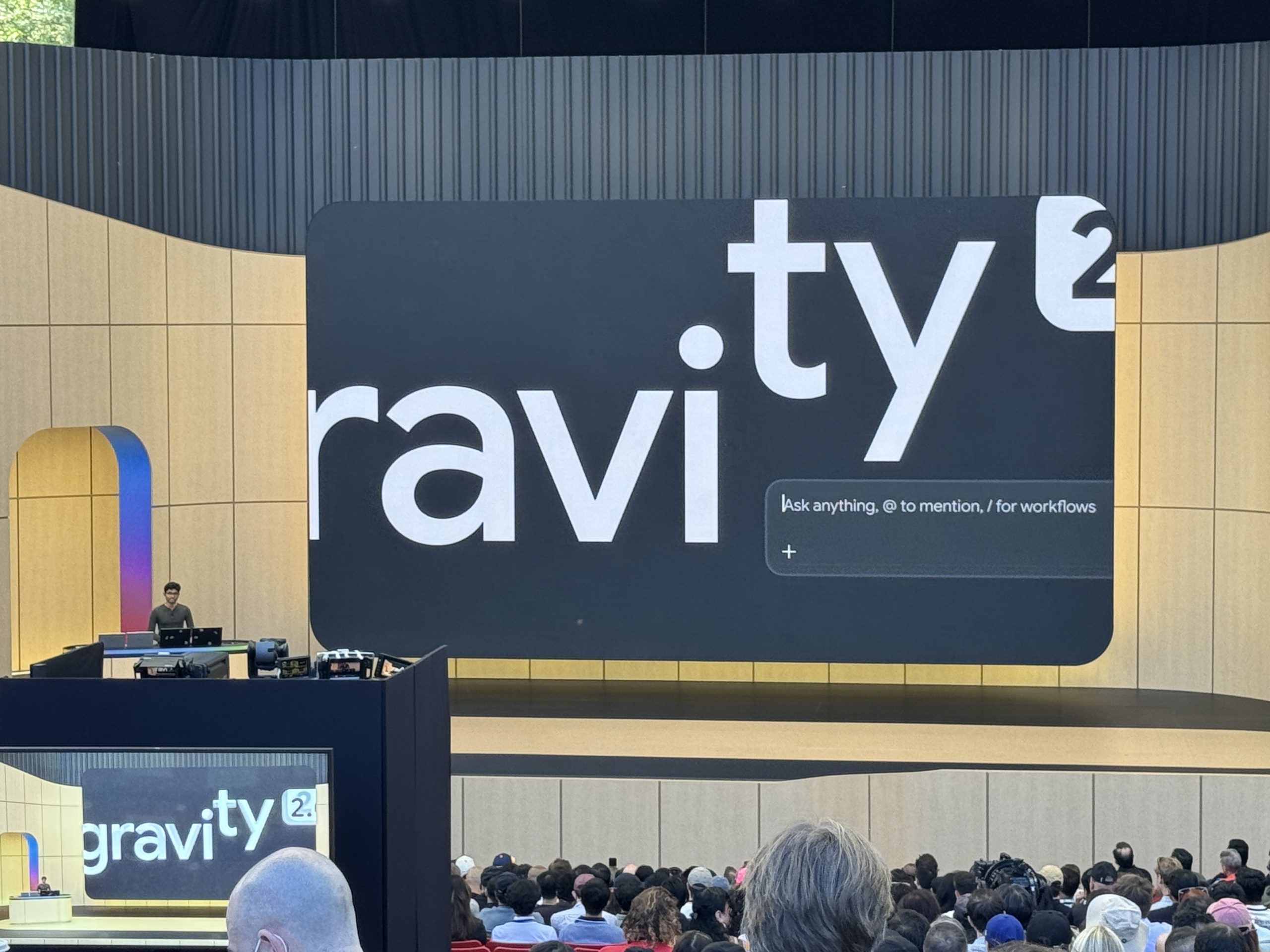
The Shoreline Amphitheater, usually a bastion of hype, echoed with the usual pronouncements at Google I/O 2026. Headlines screamed about Gemini Spark’s always-on AI capabilities and the impressive, if somewhat abstract, Antigravity 2.0’s new operating system rebuild. These are, admittedly, flashy. They make for excellent tweet fodder, perfect for a quick dopamine hit in a crowded news cycle.
But buried beneath the AI glitter, something far more fundamental changed the trajectory of Android development. It’s a shift that landed with a thud, not a bang, and most of the tech press — still captivated by the AI spectacle — missed its true significance.
The Real Story: Openness, Not Just AI
For years, Google has been judicious with its Android developer tooling, often presenting an integrated, somewhat insular ecosystem. The message was clear: build within our defined parameters, use our tools, and you’ll be fine. However, this year’s I/O signaled a radical departure. The launch of Android CLI 1.0, now stable, is a concession of monumental proportions. It’s an explicit acknowledgment that developers are not, and will not be, confined to a single AI vendor or a singular development environment.
This new CLI provides programmatic access to the entire Android Studio toolchain. Think about what that means: Claude Code, OpenAI Codex, and Google’s own Antigravity can now all interact with the core Android development environment. Google, for all its ambition with Gemini, has effectively opened the gates, recognizing that forcing developers into a proprietary stack is counterproductive in an era where AI assistance is fragmented and task-specific. Developers will grab the best tool for the job, whether it’s from Google, OpenAI, or Anthropic, and now, the Android toolchain will play along. This isn’t just a feature; it’s a strategic pivot.
Antigravity 2.0: A New Paradigm for Code Creation
Antigravity 2.0 represents more than just an update; it’s a philosophical restructuring of how developers interact with their tools. Eschewing its IDE roots, it’s now a standalone desktop application, a dedicated agent orchestration platform. The core interaction model has flipped: instead of a code editor augmented by AI, it’s now a conversational interface where the AI does the heavy lifting, and the human acts as supervisor.
This shift from “AI helps me write code” to “AI writes code, I guide it” is profound. The interface prioritizes conversation and “artifacts” — code, documents, recordings of browser interactions — which are then refined through direct feedback. It’s a model that promises to accelerate development, but it also introduces a new tension: the autonomy of AI agents working behind the scenes.
“The industry is in a period of “hyper progress” but also “where people want to see real value in the products they use on a day-to-day basis.”
This quote from Pichai, while boilerplate, captures the prevailing sentiment. The question, however, remains whether these hyper-progressed tools will translate into tangible, day-to-day value without introducing new anxieties.
The AI Agent Conundrum: Useful or Unsettling?
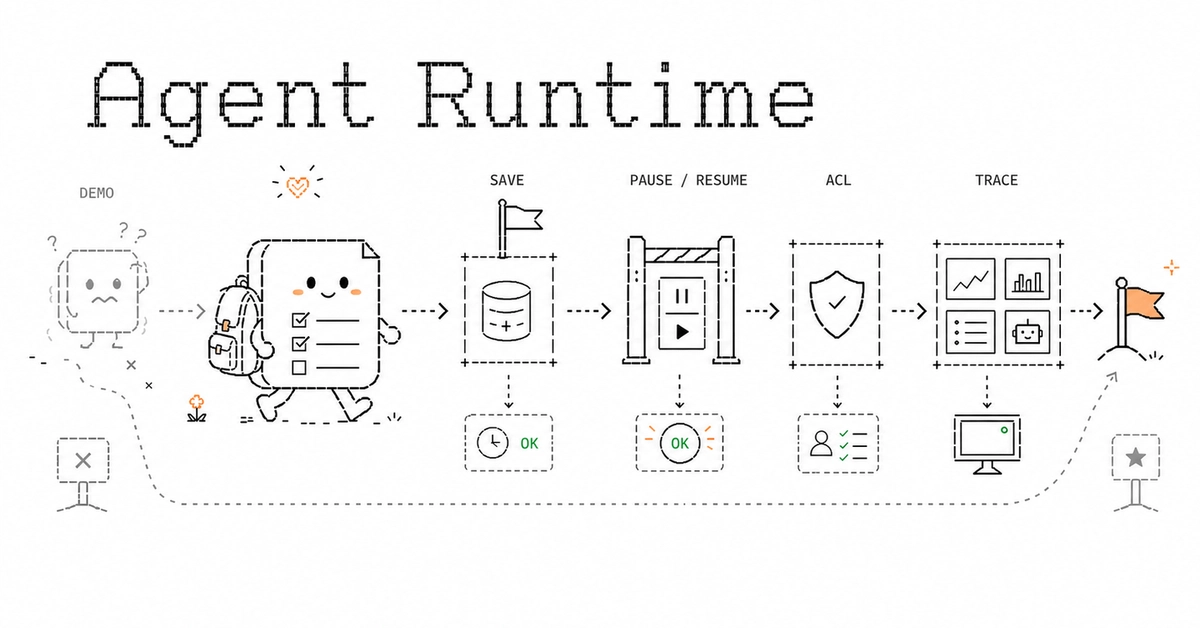
The fanfare around Gemini Spark, the 24/7 AI agent, is understandable. The idea of an agent managing your calendar, sifting through emails, and proactively handling tasks while you sleep is undeniably compelling. For small teams or solo developers, an AI that can port an iOS app to native Android in mere hours instead of weeks could be a literal lifesaver, solving a persistent bottleneck.
Yet, there’s an inherent unease. The thought of an AI churning through sensitive personal and professional data at 3 AM, unsupervised and unblinking, is not a bug; it’s a feature that raises significant privacy and security questions. This tension between utility and the potential for unseen algorithmic activity is a critical undercurrent that Google’s polished demos don’t entirely dissipate. It’s the kind of development that makes you wonder if the convenience outweighs the inherent risks.
Gemini Flash: The Engine Under the Hood
Beneath the layers of agents and orchestration platforms sits Gemini 3.5 Flash, the new workhorse. Its performance metrics, particularly on coding and multimodal understanding benchmarks (76.2% on Terminal-Bench 2.1, 83.6% on MCP Atlas, 1656 Elo on GDPval-AA, and 84.2% on CharXiv Reasoning), are impressive. The multimodal capability is key, enabling smoothly interaction between code generation and visual outputs like Compose previews. The speed and a relatively accessible pricing structure ($1.50/million input tokens, $9.00/million output tokens) position it as the go-to model for many of Google’s AI-driven initiatives. It’s fast, it’s capable, and it’s designed to be cost-effective for broad adoption.
What This Means for the Developers on the Ground
The decentralization signaled by Android CLI 1.0 is the most significant takeaway for the average developer. The walled garden is eroding. Instead of a monolithic Google-centric approach, the future of Android development tooling appears to be one of integration and choice. Developers will be empowered to select the AI assistants and code completion tools that best suit their workflow, irrespective of their origin.
Antigravity 2.0’s conversational paradigm, while potentially transformative, introduces a learning curve and a new set of best practices for effective supervision. The onus is on developers to understand how to best prompt, guide, and validate the work of these increasingly autonomous agents.
Ultimately, Google I/O 2026 wasn’t just about smarter AI; it was about a more open, albeit complex, developer ecosystem. The real work for developers now involves adapting to this new landscape, where the lines between human coding and AI-generated output are increasingly blurred, and where the primary interface might soon be a conversation, not a keyboard.
🧬 Related Insights
- Read more: [AES-128 Myth Debunked] Safe in Post-Quantum World
- Read more: Node.js: From Zero to Server in Minutes [Dev Guide]
Frequently Asked Questions
What does Android CLI 1.0 actually do? Android CLI 1.0 provides programmatic command-line access to the Android Studio toolchain, allowing various AI coding assistants and agents to interact with and control Android development tools.
Is Antigravity 2.0 replacing Android Studio? No, Antigravity 2.0 is a standalone desktop application focused on agent orchestration. Android Studio still exists as a separate IDE product.
Will Gemini Spark access all my apps? Gemini Spark integrates with Google services like Gmail and Calendar, and can interact with the web. Access to third-party apps would depend on specific integrations and user permissions. It’s currently in beta for U.S. users with Google AI Pro and Ultra subscriptions.