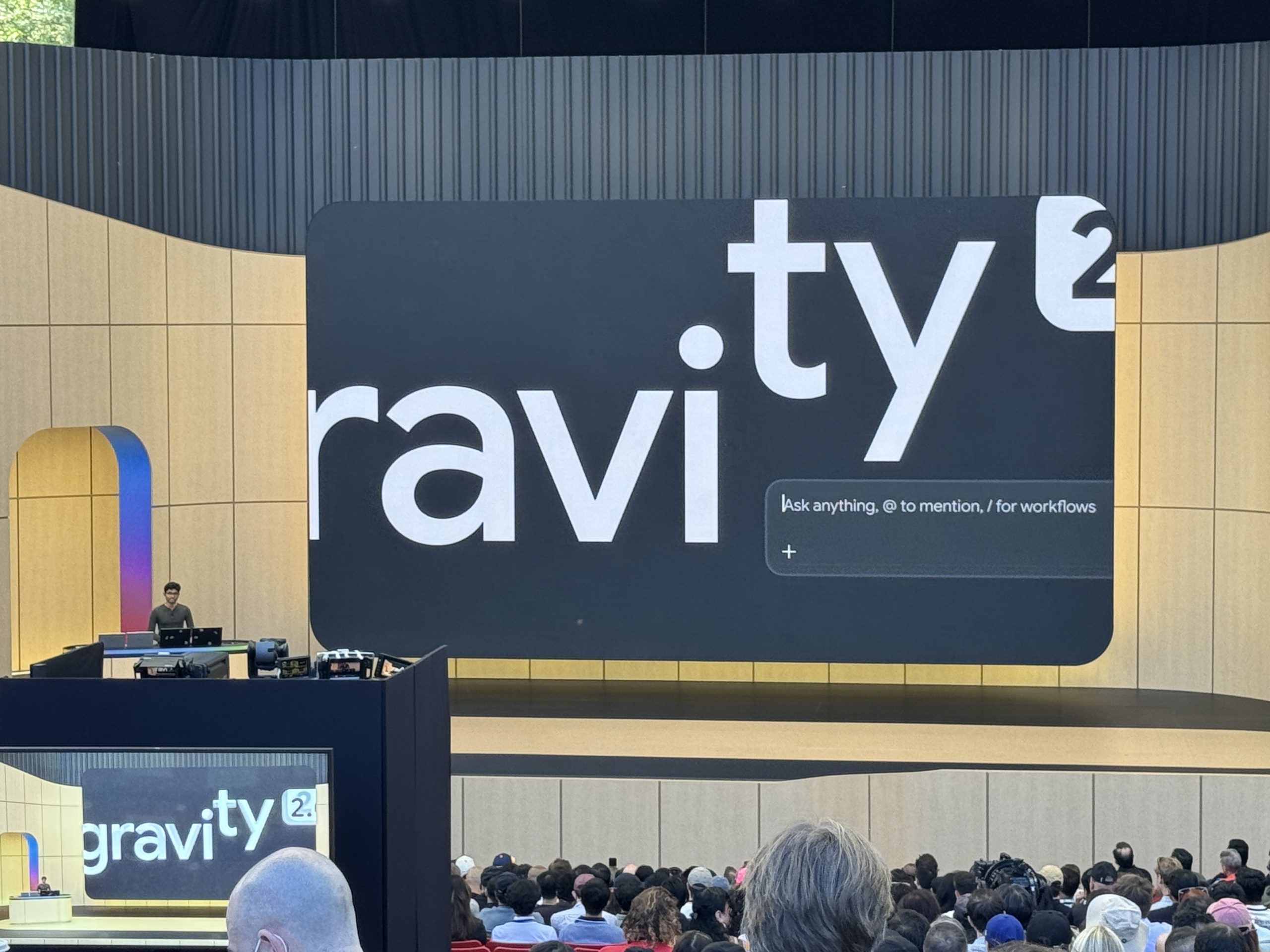
And then there was the quad-something. Quadrillion. Yes, Google actually dropped that number casually at I/O, as if we all regularly discuss processing trillions of data points before breakfast. It’s the kind of hyperbole that makes you squint. Especially when the subject is, yet again, the humble search box.
Look, I get it. AI is the flavor of the month. Or the decade. Google wants us to believe they’ve not just tinkered, but fundamentally rebuilt the thing. We’re treated to tales of 3.2 quadrillion tokens, a billion users in the Gemini ecosystem, and 8.5 million developers building agents. Impressive figures. But figures aren’t solutions. They’re just numbers designed to impress, and frankly, it’s becoming tiresome.
Where’s the genuine relief? The “aha!” moment that makes you forget you’re interacting with a machine? The keynote spun a yarn about translating medical jargon or finding emergency clothing. Fine. But is the ‘rebuilt’ search box the actual engine for that magic, or just the shiny new interface for existing capabilities, now draped in AI buzzwords?
The Agentic Gold Rush
The new obsession? Agents. Everything is an agent. Building agents, running agents, debugging agents. The list of sessions reads like a corporate memo from the future: “Building agents with real-world reasoning.” “Production agents for travel/logistics.” “Chrome DevTools for agents.” It’s relentless. We’re told we’ve entered the “agentic era.” Sounds exciting, right? Or maybe just… more complicated.
Is this truly a paradigm shift, or just a rebranding of automation? The skepticism here isn’t about the tech itself – the underlying LLMs and AI models are undoubtedly powerful. The skepticism is about the narrative. Google wants you to believe they’ve invented a new category of tool, when in reality, they’re often just bolting sophisticated AI onto existing functions. We saw a similar dance with “the cloud” and “big data.” New buzzwords, same underlying infrastructure.
We have officially entered the agentic era, and the playground is wider than ever.
This quote encapsulates the PR spin perfectly. “Agentic era.” “Wider playground.” It’s all very optimistic. But for the average user, will this translate to a drastically different experience, or just more hoops to jump through to get the same answers?
Android and Chrome: More AI, Please (They Say)
And then there’s Android. And Chrome. Naturally, AI is woven into everything. Android Studio gets Gemini capabilities for prototyping, testing, and maintenance. On-device AI is pitched with Gemini Nano and LiteRT-LM. Chrome DevTools will apparently help your coding agents autonomously inspect and audit web apps. It’s a buffet of AI features, and while some might be genuinely useful, it’s hard to shake the feeling of déjà vu. Didn’t we already have predictive text? Smart suggestions? AI has been seeping into our tools for years.
Is this new wave of AI integrated into search and developer tools fundamentally different, or just louder? The promise of agents with “real-world reasoning” sounds good on paper. But when you consider the history of AI, from expert systems to today’s LLMs, the leap from theoretical capability to everyday usefulness is often fraught with peril and, more importantly, cost. And who ultimately pays for all this quadrillion-token processing?
Is This AI Actually Different?
The core of the question hinges on whether these “agentic” capabilities offer something truly novel. For developers, the promise of tools like the Interactions API and the agent-first workflows on Google Cloud might streamline the path from prompt to production. The ability to extend agents into Google Workspace – Docs, Chat, Gmail – could indeed be powerful. But it also raises questions about data privacy and the increasing reliance on a single vendor’s ecosystem.
For the average user, the impact is less clear. The search box is expected to provide answers. When it starts acting like a personal assistant that needs to be prompted and managed, it’s no longer just a search box. It’s a product that requires an investment of user time and cognitive effort. Is that the future Google envisions? A search engine that demands to be worked with rather than simply used?
The session on “The future of software development” featured leads from Gemini, Antigravity, and AI Studio discussing “vibe coding” and evolving engineering roles. This is where the real meat of the change might lie. If AI can genuinely assist in the creative and debugging aspects of coding, then yes, it’s a significant development. But the keynote’s focus on the search box felt… underwhelming. It’s like rebuilding the engine of a car and then just showing off the new hubcaps.
A Familiar Tune
What’s striking is how little the fundamental user interaction with Google Search seems to have changed in concept, despite the AI overlay. The fear is that this is less a rebuilt search box and more a dressed-up one, hoping the sheer volume of AI jargon will distract from a lack of genuine user-facing innovation in the core search experience itself.
It’s easy to get lost in the sheer scale of the ambition. Quadrillions of tokens. Billions of users. But for those of us who remember previous tech booms – the dot-com bubble, the mobile revolution’s initial hype – there’s a healthy dose of caution. The agentic era might be upon us, but the jury is still out on whether Google’s interpretation of it truly reinvents the wheel, or just adds more spokes and a fancier paint job.
🧬 Related Insights
- Read more: CLAUDE.md: Taming AI’s Express.js Middleware Missteps
- Read more: AI Teams Arrive: Beyond Single-Agent Limits
Frequently Asked Questions
What does Google’s “rebuilt search box” actually do?
Google’s latest announcement suggests the search box will integrate AI agents more deeply, allowing for more complex, conversational queries and automated tasks based on real-world data and actions.
Will this make Google Search smarter?
While Google claims enhanced capabilities, the practical impact on user experience and the accuracy of answers remains to be seen. The focus on AI agents suggests a shift towards more proactive assistance rather than simple information retrieval.
Is this a big change for developers?
Potentially. New APIs and agentic workflows on Google Cloud and within Android Studio aim to speed up development and management of AI-native applications, offering new tools for building and deploying intelligent systems.