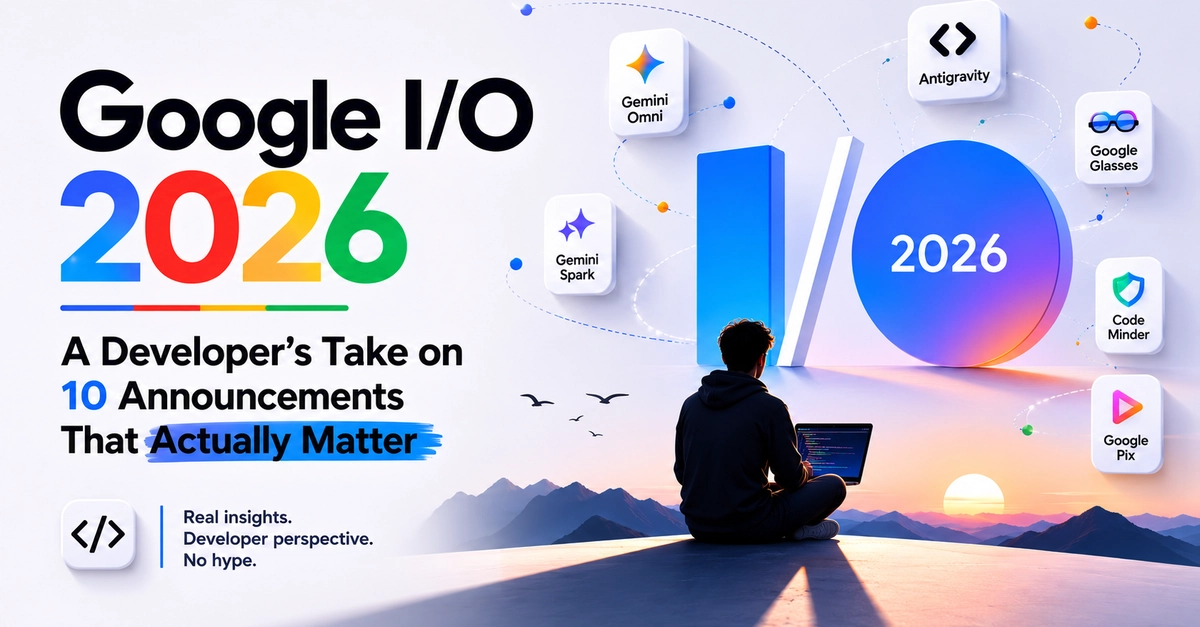
The stage lights are still dimming, but the echoes of Google I/O 2026 are already reshaping the digital landscape. My mind, still buzzing from the recap, feels like a hard drive that’s just been defragmented and upgraded to quantum storage. There was the usual dazzling array of demos, the slick pronouncements, but beneath the sheen, something fundamentally different is brewing.
This isn’t just another iteration of AI tools. We’re talking about AI as a foundational substrate, a new operating system for reality itself. It’s like moving from the command line to a full-blown graphical interface, but on a scale that’s almost terrifyingly exciting.
A World of Understanding: Gemini Omni
Let’s cut through the noise. Gemini Omni isn’t just generating pretty videos; it’s understanding the physics of our universe. Google calls it a “world model,” and if that doesn’t send a jolt of pure potential through your veins, you’re not paying attention. Imagine uploading a video and having Gemini transform it into cinematic gold with a few stylistic tweaks. This isn’t a fancy filter; it’s a comprehension of 3D space, object movement, and real-world logic. For anyone dabbling in robotics, simulation engines, or creative tooling, this is the moment you ditch rule-based systems and embrace emergent intelligence. The implications for things like smarter surveillance, hyper-realistic training simulations, and instant video generation are staggering. This is less AI assistance and more AI agency in the physical world.
“World models may eventually replace huge chunks of manually coded physics and environment logic.”
Coding Reimagined: Antigravity Arrives
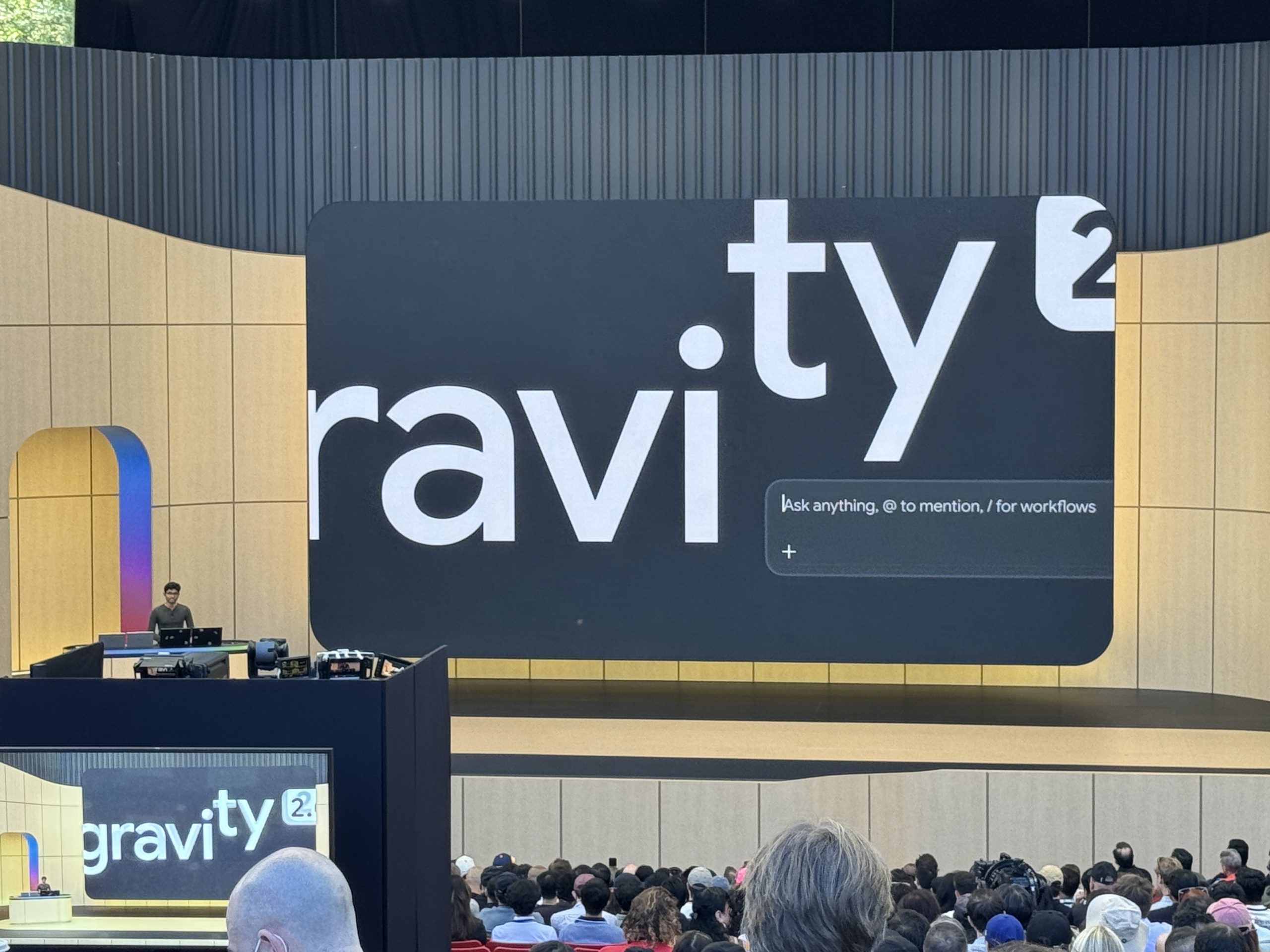
And then there’s Antigravity. Google’s acquisition of Windswept wasn’t just about talent; it was about building a direct challenger to the AI coding assistants that have been chipping away at developer workflows. Early benchmarks and the live demo are frankly astonishing. Building an entire custom OS in minutes, fixing bugs on the fly – all for less than a thousand bucks in API credits. This is the kind of velocity that used to be the stuff of developer fantasies. If you’re using Cursor, Claude Code, or even GitHub Copilot, Antigravity’s speed, multi-file understanding, and competitive pricing demand your immediate attention. This isn’t just about faster coding; it’s about accelerating innovation at an unprecedented pace.
AI Agents Get Their Own Cloud: Gemini Spark
This is the one that truly tickled my futurist bone. Gemini Spark is the idea of AI agents running on dedicated Google Cloud VMs. Think about it: your AI assistant doesn’t need your laptop to be on. Your tasks don’t stop when you close your browser. This moves us from ephemeral scripts to persistent, cloud-native AI agents. Product restock alerts, flight price monitoring, automated testing – all these things can now run autonomously, controlled from your phone, Telegram, or the Google app. This is the birth of personal DevOps agents. No more fiddling with Raspberry Pis or babysitting cron jobs. The cloud becomes the tireless brain for your automated life.
The Death of the Prompt Box?
Subtle, but monumental. Across many of the demos, the need for explicit, detailed prompting was conspicuously absent. The interface is shifting. It’s moving from “What should I type?” to “What outcome do I want?” This evolution means that for many mainstream applications, the prompt box might just… disappear. We’re heading towards visual, intent-driven, contextual interfaces where the AI infers your needs. This is a massive UX paradigm shift, moving AI from a tool you command to a partner that anticipates.
Fortifying the Digital Walls: AI Security Initiatives
Google is doubling down on AI for security, and frankly, it’s about time. Their new system for detecting AI-generated or modified media is a critical step in combating misinformation. Even more potent is their AI vulnerability system, which actively finds and patches security flaws. Sundar Pichai’s confidence in its internal use is telling. This signals that AI-assisted security isn’t a luxury; it’s becoming the bedrock of secure development. Expect to see AI vulnerability scanning and automated patching become standard in every CI/CD pipeline.
The Wearable AI Renaissance: Smart Glasses Reimagined
Remember Google Glass? It’s back, but smarter. Gemini living in your ear first, with camera capabilities expanding later. The demo of transforming a crowd photo into animated artwork in real-time is a glimpse into a new app category: wearables integrated with real-time AI vision. This isn’t just about notifications; it’s about AR navigation, live translation, industrial inspections, and visual memory assistance. The space feels vibrant and real again.
AI as the Scientific Method: Demis Hassabis’s Vision
Demis Hassabis continues to push AI beyond mere conversation. From AlphaFold to Isomorphic Labs, the focus is on AI-driven scientific discovery. Imagine generating new medicines, accelerating disease research, or discovering molecular structures from natural language instructions. For anyone in biotech, research, or chemistry, this means the dawn of AI-first discovery APIs. The entire scientific software landscape is on the cusp of dramatic change.
This wasn’t just an I/O. It was a declaration of intent. AI isn’t a feature; it’s the new platform. The question for developers isn’t if AI will change your job, but how you’ll use this new reality to build the future.
Is This a Fundamental Platform Shift?
Yes. Everything we saw at Google I/O 2026 points to AI moving from an application layer to a foundational infrastructure layer. Gemini Omni’s world model, Gemini Spark’s autonomous agents, and Antigravity’s coding acceleration are not mere improvements; they represent entirely new ways of interacting with and building technology. This is analogous to the shift from desktop computing to the internet, or from the internet to mobile – a true platform transformation.
Will This Make Developers Obsolete?
Absolutely not. If anything, these advancements democratize complex tasks and empower developers to focus on higher-level problem-solving and innovation. AI tools like Antigravity will make coding faster and more efficient, while Gemini Spark allows for more sophisticated automation. The demand for skilled developers who can architect, integrate, and use these powerful AI capabilities will only increase.
🧬 Related Insights
- Read more: DeepSeek Chats: Export Tool Arrives
- Read more: Google’s Android AI Benchmark: GPT 5.5 Wins, Not Gemini
Frequently Asked Questions
What is a “world model” in AI? A world model is an AI system that understands and can reason about the physical world, including concepts like 3D space, physics, and object permanence, enabling it to predict outcomes and interact more intelligently.
How does Gemini Spark differ from typical cloud AI services? Gemini Spark allows AI agents to run persistently on dedicated Google Cloud VMs, meaning they operate autonomously without requiring a user’s device to be active, transforming how automation tasks are managed.
What are the main benefits of Antigravity for developers? Antigravity offers faster response times, better multi-file code understanding, competitive performance against other AI coding assistants, and enterprise-focused pricing, making it a compelling option for rapid prototyping, debugging, and large-scale code transformations.