The Slack notification pinged at 3 AM. Not unusual. But the content? It was an AI alert, referencing a security incident that happened six months ago. This wasn’t supposed to happen. Not without a direct prompt, anyway.
That’s the moment the shiny veneer of stateless Large Language Models (LLMs) started cracking for enterprise AI. And frankly, it’s about time.
The Memory Hole in Enterprise AI
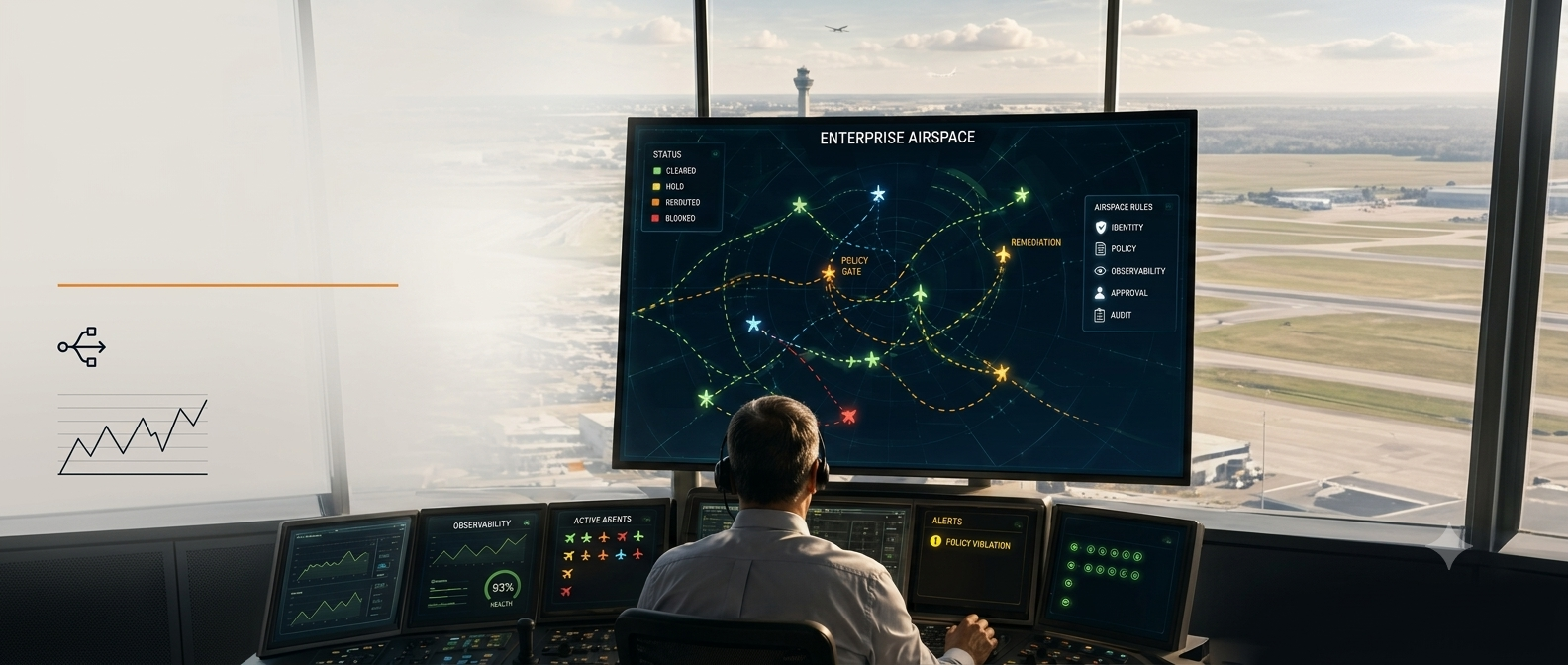
Look, for your average chatbot slinging pleasantries and weather reports, being forgetful is fine. It’s a feature, not a bug. But when you’re talking about an enterprise decision intelligence platform – one that’s supposed to guide critical choices about vendors, compliance, and security – statelessness isn’t just an oversight. It’s a gaping hole.
Imagine asking your AI if you should approve a new third-party data processor. Without memory, it has no clue your team already flagged that same vendor for a data residency issue last quarter. It has no idea about the recurring SLA breaches from a critical supplier. Your organization’s hard-won institutional knowledge? It’s locked away in chat logs no one has the time to sift through. You end up rehashing the same mistakes, over and over. It’s maddening.
Companies try to jam this knowledge into system prompts. That’s a joke. Context windows aren’t infinite, and shoving everything in there is like trying to fill a thimble with the ocean. You don’t need all the data; you need the relevant data. That’s a retrieval problem, plain and simple.
Enter Hindsight: Remembering the Bad Stuff
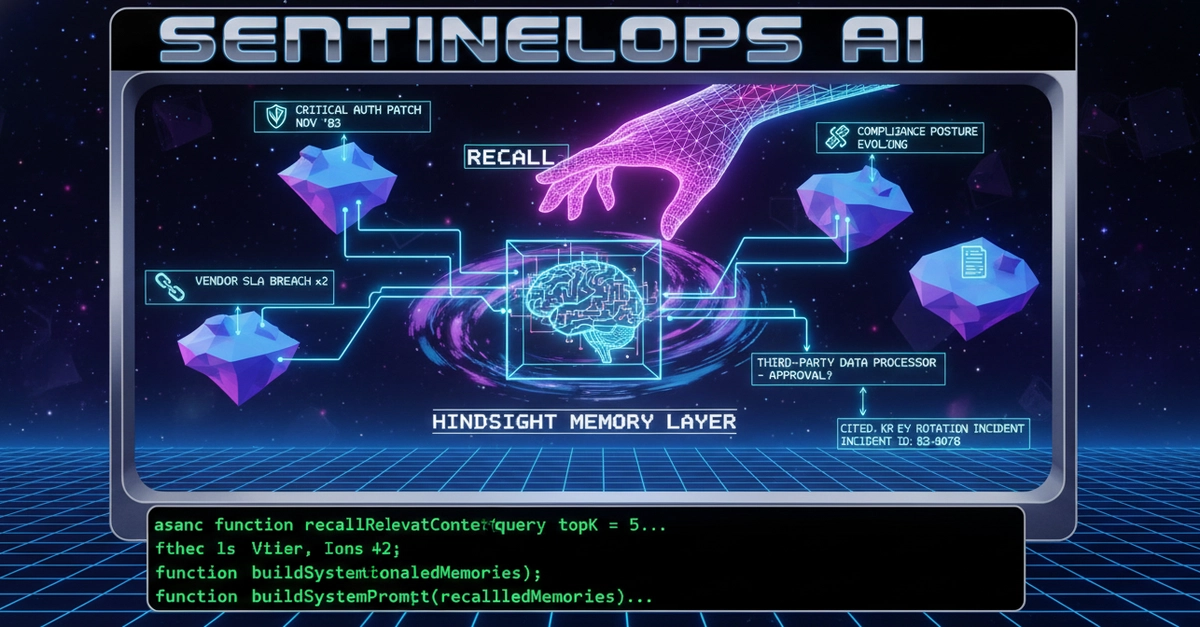
SentinelOps AI is trying to fix this with something they’re calling a “Hindsight memory layer.” The idea is simple, and frankly, obvious once you see it. Key decisions, incidents, and governance facts are extracted and then embedded into a vector database. When a new query comes in, it does a similarity search against this store. The top results? Those get pumped into the LLM’s prompt as context.
Here’s a peek at the guts of their memory recall:
import { HindsightClient } from '@vectorize-io/hindsight-client';

const hindsight = new HindsightClient({

url: process.env.HINDSIGHT_URL,

namespace: 'sentinelops-enterprise',

});

async function recallRelevantContext(query, topK = 5) {

const results = await hindsight.recall({

query,

topK,

filters: { namespace: 'sentinelops-enterprise' },

});

return results.map(r => ({\n\ncontent: r.content,\n\nsimilarity: r.score,\n\ntimestamp: r.metadata.timestamp,\n\nincident_id: r.metadata.incident_id ?? null,\n\n}));

}
Before a query even touches the LLM, this recallRelevantContext function runs. The retrieved memories then get slapped into the system prompt like this:
function buildSystemPrompt(recalledMemories) {

const memoryBlock = recalledMemories.length > 0

? `## Relevant Organizational History
${recalledMemories.map(m => `
- [${m.timestamp}] ${m.content} (similarity: ${m.similarity.toFixed(2)})`).join('
')}
`

: '';

return `You are SentinelOps AI, an enterprise decision intelligence system.

${memoryBlock}

Respond only in the following JSON schema: { summary, risk_level, confidence, recommendation, tradeoffs, governance_flags, citations }`;

}
Suddenly, past incidents aren’t just ancient history. They’re first-class citizens. The AI can cite them. It can draw lines between them. This is how you build actual intelligence, not just fancy pattern matching.
What Gets Remembered, and Why It Matters
SentinelOps isn’t just shoving everything into the memory bucket. They’re being selective. They only retain interactions where the risk_level is high or there are governance_flags. Low-risk, routine stuff? It gets tossed. Smart.
The signal-to-noise ratio of your memory store matters. If you retain everything, retrieval quality degrades because every query pulls back a mix of critical incidents and routine lookups.
This is the first, and arguably most important, architectural decision. If you try to make your AI remember everything, it’ll just become a noisy, useless digital archive. Curating the memory is as vital as having it.
The Behavioral Shift: Less Repetition, More Insight
So, what does this actually change? The article points to two key behavioral shifts.
First, the AI stopped repeating itself. They had a vendor whose data residency kept coming up. Before Hindsight, the AI just gave the same canned answer every time. With memory? It started flagging that the issue had been discussed twice before without resolution. That’s a genuinely different, and much more useful, answer. It acknowledges history.
Second, and perhaps more profound, it began making connections.
Is This Just More Corporate Hype?
It’s easy to scoff. “AI gets memory” sounds like just another buzzword. But the problem they’re solving – the statelessness of LLMs in critical operational systems – is very real. The solution, while seemingly simple, is architecturally complex.
My gripe? This is still early days. The effectiveness hinges entirely on the quality of what’s being retained. If their “Hindsight” system is too eager to store irrelevant noise, this whole experiment collapses. It’s the difference between a wise elder and a senile gossip.
And let’s be honest, a significant part of this is just good old-fashioned engineering. Stitching together vector databases, embedding models, and LLMs is less magic and more meticulous plumbing. The real innovation here isn’t a new AI model; it’s a smart way to manage context.
Why This Matters for Developers and Ops
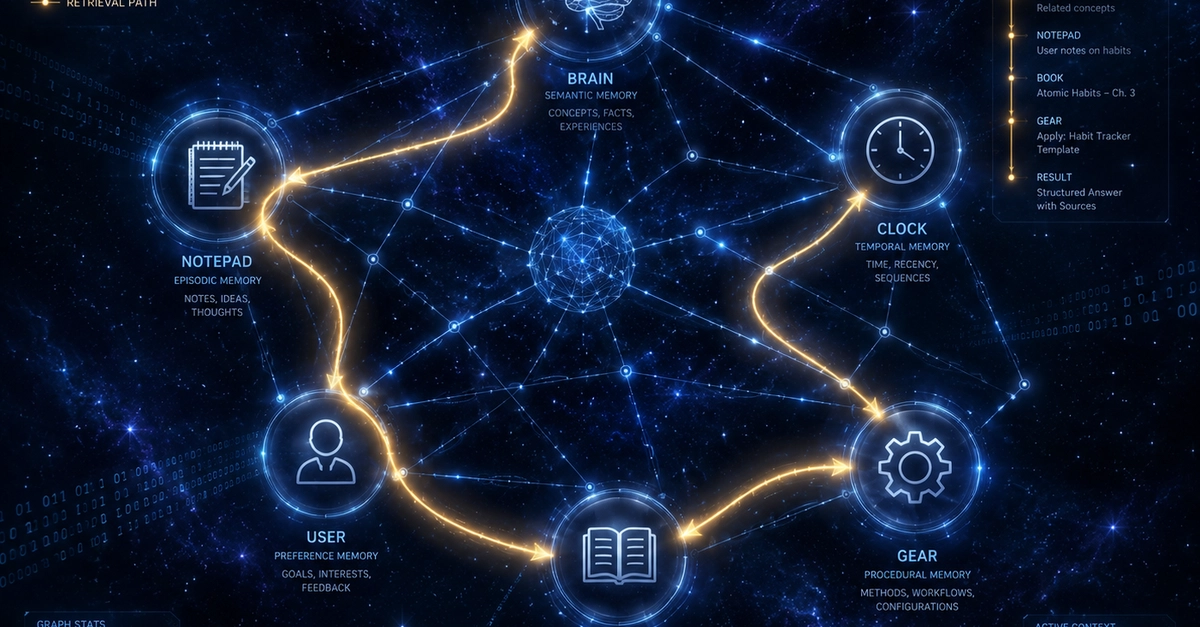
For developers building these systems, it’s a clear signal: forget “stateless by default” for anything beyond basic chat. You need persistence. You need retrieval. You need a strategy for managing the knowledge graph your AI operates within. This isn’t just about LLMs anymore; it’s about building intelligent agents that can learn and recall.
For operations teams, it means potentially moving beyond drowning in alerts and static documentation. An AI that remembers past incidents, vendor issues, and compliance postures could, theoretically, make faster, more informed decisions. It could cut down on the time spent chasing ghosts or rehashing old problems.
The real test, though, will be if this memory actually leads to better outcomes. Does it prevent future incidents? Does it improve compliance? Does it genuinely reduce operational overhead?
That’s the million-dollar question. And unlike a stateless LLM, SentinelOps’ Hindsight system might actually be able to provide a historical answer to it. Eventually.
🧬 Related Insights
- Read more: Angular Apps Crashing? DDD is the Missing Architecture.
- Read more: BenQ’s Display Pilot 2 Lands on Linux: Real Control for Coder Monitors at Last
Frequently Asked Questions
What does SentinelOps AI do? SentinelOps AI is an enterprise decision intelligence platform designed to help operators make informed choices about security, compliance, and vendor management.
How does the Hindsight memory layer work? The Hindsight layer stores key organizational decisions and incidents in a vector database. When a new query is made, it retrieves similar past events and injects them as context for the LLM.
Will this memory feature stop AI from making mistakes? Not directly. The memory layer aims to provide an AI with relevant historical context to inform its decisions and prevent repeated mistakes, but it doesn’t inherently guarantee perfect accuracy or prevent all errors.