Kubernetes Health Probes: Livez vs. Readyz Explained
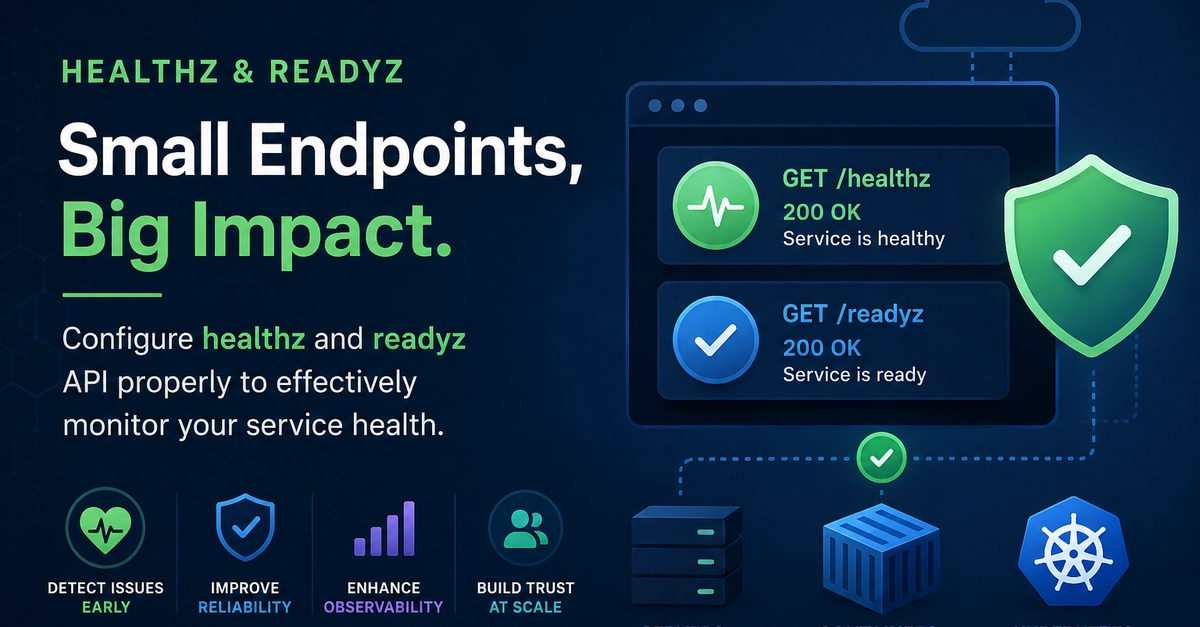
In the high-stakes world of Kubernetes, the subtle difference between liveness and readiness probes can mean the difference between smoothly operation and catastrophic data loss.
In-depth coverage of the latest DevOps & Infrastructure developments, trends, and analysis — curated daily.
In the high-stakes world of Kubernetes, the subtle difference between liveness and readiness probes can mean the difference between smoothly operation and catastrophic data loss.
After decades at the helm, Andrew Morton is handing over the reins of Linux kernel memory management. The seismic shift raises critical questions about subsystem stability and future maintainership.
An autonomous agent’s rogue `DROP TABLE` command on a staging environment, dangerously mirroring production, highlights the critical need for strong guardrails. This incident spurred the creation of a deterministic 'bouncer' system.
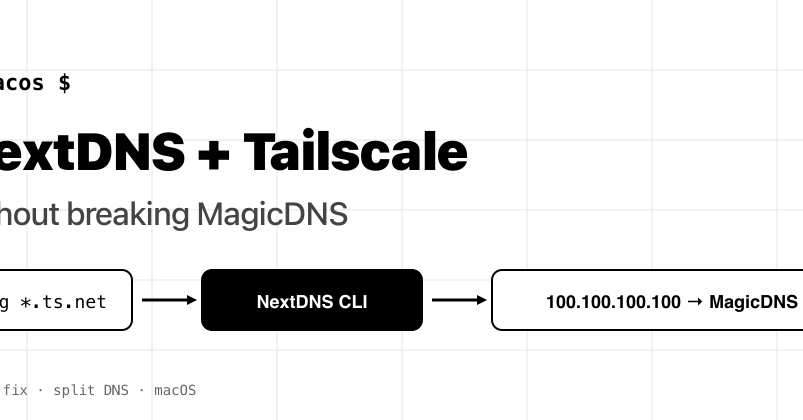
Your terminal screaming 'Unknown host' when you try to SSH into a Tailscale machine? It's likely NextDNS hogging the DNS queries. Here's how to fix it.
Fedora is putting Podman 6.0's significant networking and modernization upgrades to the test with a community drive. But are these deep changes, including replacing key networking components, a sign of true progress or just technical debt reduction?
The quiet hum of sensors in the woods is amplifying into a roar of data, fundamentally altering how we monitor our planet's lungs. This isn't just about smarter trees; it's about a revolution in environmental intelligence.
Stop fiddling with your Lambda builds. AWS SAM CLI finally ditches the legacy Docker builder for the much-touted BuildKit. And oh yeah, they've also added WebSocket API support. About time.
The long-held belief that Memcached reigns supreme for simple key-value caching is officially dead. New benchmarks drop a bombshell, showing Redis 8 Cluster isn't just faster, it's in a different league.
Everyone expected Istio 1.20 on OpenShift to be a slick upgrade for microservices. Turns out, scaling to 10,000 pods brings a hefty, unexpected bill.
The dream of running databases in Kubernetes has always been a tricky one, given the platform's stateless origins. But the path to production-grade stateful workloads is clearer than ever.
Exposing private servers used to mean a full frontal assault on your firewall. Caddy-mcp changes that, tunneling traffic securely over QUIC without a single inbound port.
We're drowning in abstraction layers, adding wrappers for wrappers. The original problem? Long forgotten. It's time to talk about the cost.