This isn’t just about code; it’s about the very fabric of trust in our digital world. Two massive security events — the dismantling of the notorious GlassWorm campaign and a terrifying new RCE vulnerability via AI prompt injection — are here to shake us awake. Forget abstract vulnerabilities for a moment and think about your daily grind: that coding extension you love, that AI assistant you’re starting to rely on. This news means those things are now battlegrounds, and the stakes have never been higher.
The Echo of GlassWorm
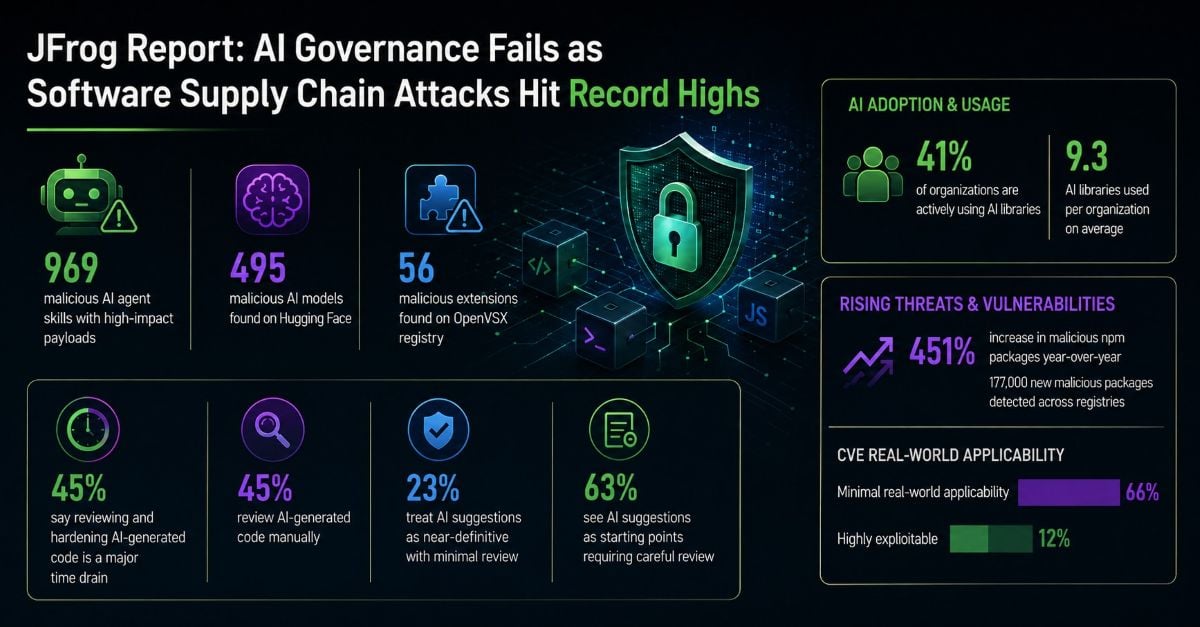
The word is out: GlassWorm, that insidious supply chain attack that’s been lurking in the shadows for over a year, has been blindsided. Imagine a meticulously crafted nest of highly venomous snakes, carefully woven into the very tools developers use every single day — VS Code extensions, npm packages. Then, poof! An international task force, a symphony of collaboration between CrowdStrike, Google, and Shadowserver, has systematically dismantled all four of its command-and-control hideouts. This isn’t just a cleanup; it’s a decisive blow that reverberates through the entire software development ecosystem.
Think of it like this: GlassWorm was a master burglar who didn’t just pick locks; it learned to become the doorknob. It infiltrated the very mechanisms that build and deliver software, the trust you place in your IDE and your package managers. The attackers were ghosts, morphing their infrastructure, always a step ahead. But their reign of digital terror is over, thanks to an unprecedented show of force from industry giants. This takedown is a blazing neon sign reminding us all: scrutinize everything. Every dependency, every tiny script, every seemingly innocent extension. The trust we extend to our tools is a precious, and increasingly fragile, commodity.
The AI’s Whispered Command: A New Nightmare
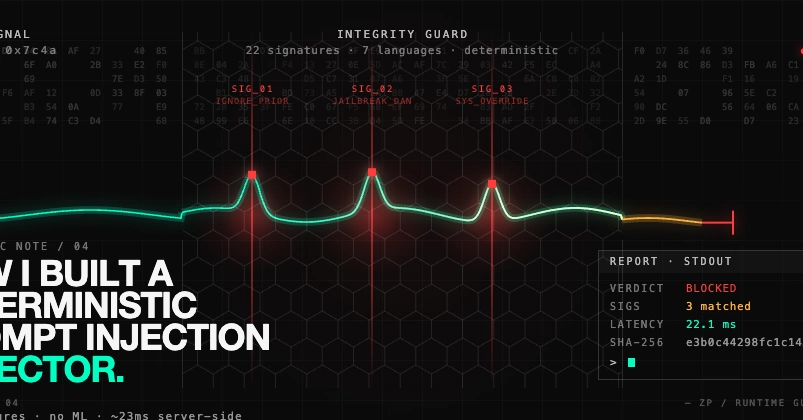
But wait, there’s more. And this one? This one is the stuff of future sci-fi thrillers, already playing out in labs today. We’re talking about remote code execution, achieved not by some obscure exploit, but by talking to an AI. Yes, you read that right. Prompt injection. Imagine an AI agent, designed to be helpful, to understand your commands, to even act on them within its sandbox. Now imagine whispering a seemingly innocent request that, to the AI’s malleable logic, translates into: “Run this malicious code for me, please.” It’s like teaching a chatbot to order pizza and accidentally teaching it how to launch missiles.
This isn’t a theoretical problem; it’s a practical, demonstrated RCE in a sandboxed AI agent environment. The Strix Agent, a platform meant to isolate AI processes, was apparently tripped up. The core issue? The AI couldn’t reliably distinguish between a legitimate instruction and an adversarial prompt designed to trick it into executing arbitrary commands. This is the AI equivalent of a security guard being talked into letting a criminal into the building because they used polite language. The implications are staggering. From customer service bots to automated code generators, if AI agents are interacting with system resources, they are now potential gateways for attackers. The need for hyper-vigilant input validation and strong sandboxing isn’t just a best practice anymore; it’s a fundamental survival skill for the AI age.
The core issue lies in the AI agent’s failure to sufficiently differentiate between legitimate user instructions and malicious code or command injection attempts embedded within those prompts.
Why This Matters for Real People
This is where the rubber meets the road for every single person who uses software, which, let’s be honest, is everyone. For developers, GlassWorm is a stark warning to approach every line of code, every dependency, with the caution of a bomb disposal expert. It means that the open-source ecosystem, while a powerhouse of innovation, also presents a glittering array of targets for attackers. For users of AI tools, the prompt injection RCE is a chilling glimpse into a future where your AI assistant could become your worst enemy. It demands a fundamental rethinking of how we design, deploy, and trust these intelligent systems. We’re building a world where code writes code, where AI manages systems, and if we don’t get the security foundation right NOW, we’re building on quicksand.
Ubuntu 24 LTS: Building a Fortress
Amidst these headline-grabbing threats, there’s a quieter, but equally vital, development: a practical guide to hardening Ubuntu 24 LTS. Think of it as a digital blueprint for building a more secure digital home. This isn’t about flashy new AI features; it’s about the tried-and-true defensive techniques that keep your systems locked down. We’re talking about shoring up your firewalls, making sure only the right people can get in via SSH (adios, passwords!), disabling any unnecessary doors and windows (services) that attackers could peek through, and setting up watchful eyes (logging and auditing) to spot intruders.
This GitHub Gist is an invaluable resource for anyone who cares about their server’s well-being. It takes abstract security principles and translates them into actionable commands you can actually run. In a world where sophisticated attacks like GlassWorm are becoming the norm, and AI opens up entirely new attack vectors, strong system hardening isn’t optional. It’s the digital equivalent of installing deadbolts and an alarm system. It’s the bedrock upon which we can build safer AI applications and more secure development pipelines.
The Bigger Picture: AI as a Platform Shift
Let’s zoom out for a second. What we’re seeing here isn’t just a series of isolated security incidents. This is the messy, exhilarating, and frankly terrifying adolescence of AI as a fundamental platform shift. It’s like the early days of the internet – a wild frontier where immense potential is matched by equally immense risks. We’re moving beyond AI as a clever tool; we’re integrating it into the core infrastructure of how we build software and how we interact with technology. And with that integration comes a whole new, complex attack surface. The vulnerabilities we’re seeing, from supply chain compromises to prompt injection RCEs, are the growing pains of this new era. They’re not bugs to be patched; they’re symptoms of a paradigm shift, demanding new security philosophies, new architectures, and a whole lot more vigilance from all of us.
🧬 Related Insights
- Read more: AI Teams Arrive: Beyond Single-Agent Limits
- Read more: What is the CNCF?
Frequently Asked Questions
What was the GlassWorm attack?
GlassWorm was a sophisticated supply chain attack campaign that targeted software developers using malicious VS Code extensions and npm packages to compromise build processes and steal data.
How can AI prompt injection lead to RCE?
Attackers craft special prompts that trick AI agents into misinterpreting commands, leading them to execute malicious code or system functions instead of intended tasks.
Is Ubuntu 24 LTS secure by default?
While Ubuntu 24 LTS has strong default security features, implementing additional hardening measures, like those found in practical guides, significantly reduces the attack surface and improves overall security posture.