Open Source Code Poisoned: Unprecedented Attack Spree
The bedrock of modern software is under siege. A relentless wave of code poisoning attacks is turning open source, the very engine of innovation, into a vector for widespread compromise.

In-depth coverage of the latest Security & Privacy developments, trends, and analysis — curated daily.
The bedrock of modern software is under siege. A relentless wave of code poisoning attacks is turning open source, the very engine of innovation, into a vector for widespread compromise.
A compromised npm package, a stolen maintainer key, and a three-hour window of vulnerability. The [email protected] incident wasn't just a bug; it was a stark reminder that your code's perimeter has expanded.
We've all been buried under a mountain of vulnerability alerts, most of them completely irrelevant. Now, Docker and Black Duck are here to surgically slice through that noise.
Microsoft wants us to believe their new AI, MDASH, is the future of finding bugs. The truth? More sophisticated agents might just mean more sophisticated ways to break things.
Security linters are supposed to be vigilant guardians of code. But a recent analysis reveals some are more nuisance than necessary, drowning developers in false alarms.
Rust's Cargo package manager had a nasty surprise lurking in its symlink handling. A vulnerability allowed malicious crates to hijack others. Here's the fallout.
An Intigriti XSS challenge saw a researcher circumvent the built-in SCA Shield using a clever CSS keyframe animation payload. The unintended solution highlights the nuances of server-side filtering.
Chaos at schools as a cyberattack crippled the Canvas learning platform right as students were starting final exams. The same threat actor had previously exfiltrated sensitive user data.
WhatsApp's vaunted Signal Protocol encryption is strong, but a recent federal investigation hints that what happens *outside* the message itself may be a different story. A 10-month probe into Meta's data practices has unearthed concerning, though unproven, allegations that directly contradict the company's privacy marketing.
The bedrock of modern software is under siege. A relentless wave of code poisoning attacks is turning open source, the very engine of innovation, into a vector for widespread compromise.

The digital signatures you rely on today are living on borrowed time. A new post-quantum signing API has just launched, aiming to secure your data against the coming quantum threat.
Six minutes. That’s how long it took a relentless attacker to inject malicious code into 42 npm packages, a brazen display of how vulnerable our trusted open-source supply chains have become. TanStack is out with the nitty-gritty, and it’s not pretty.
A significant security incident has rocked the open-source password manager community. Bitwarden's command-line interface has been compromised, raising serious questions for millions of users.
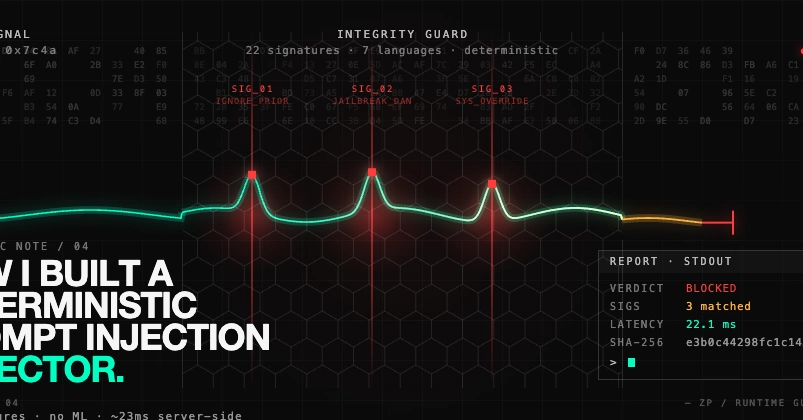
Everyone expected a machine learning solution for prompt injection. Instead, one developer opted for pure, unadulterated pattern matching, and it's blazing fast.
This week in FOSS Force, readers flocked to critical security fixes, a streamlined Debian experience, and major license shifts. Plus, a look at Fedora 44's latest.