We’re talking about a seismic shift in how we interact, communicate, and live our lives. Artificial Intelligence isn’t just another piece of software; it’s the new bedrock, the fundamental platform upon which everything else will be built. Think of it like the internet itself, or electricity. It’s that big. And right now, the whispers about WhatsApp’s encryption—whispers that led to a federal investigation—are a stark reminder that even on these new bedrock platforms, user trust is paramount.
When a federal agent spends ten months digging into a company’s data practices, especially one as pervasive as Meta’s WhatsApp, you stop scrolling. That’s exactly what happened when a Bloomberg report surfaced detailing an investigation by a special agent within the Commerce Department’s Bureau of Industry and Security. This wasn’t just some academic exercise; it was a deep dive, a probe into whether Meta’s widely-marketed privacy promises held up under scrutiny.
The Signal Protocol: A Fortress, Mostly
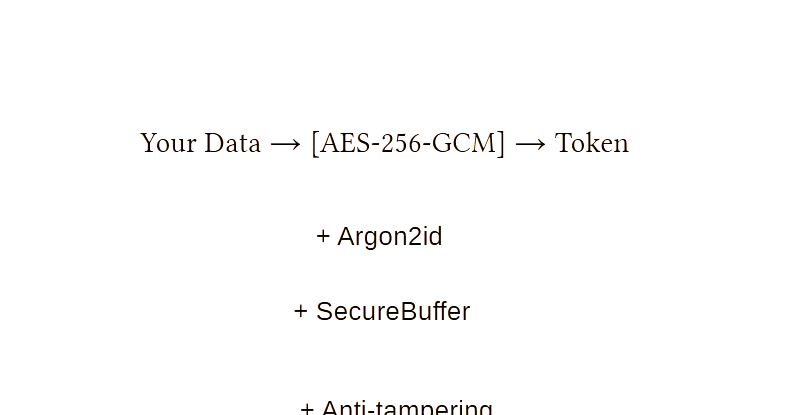
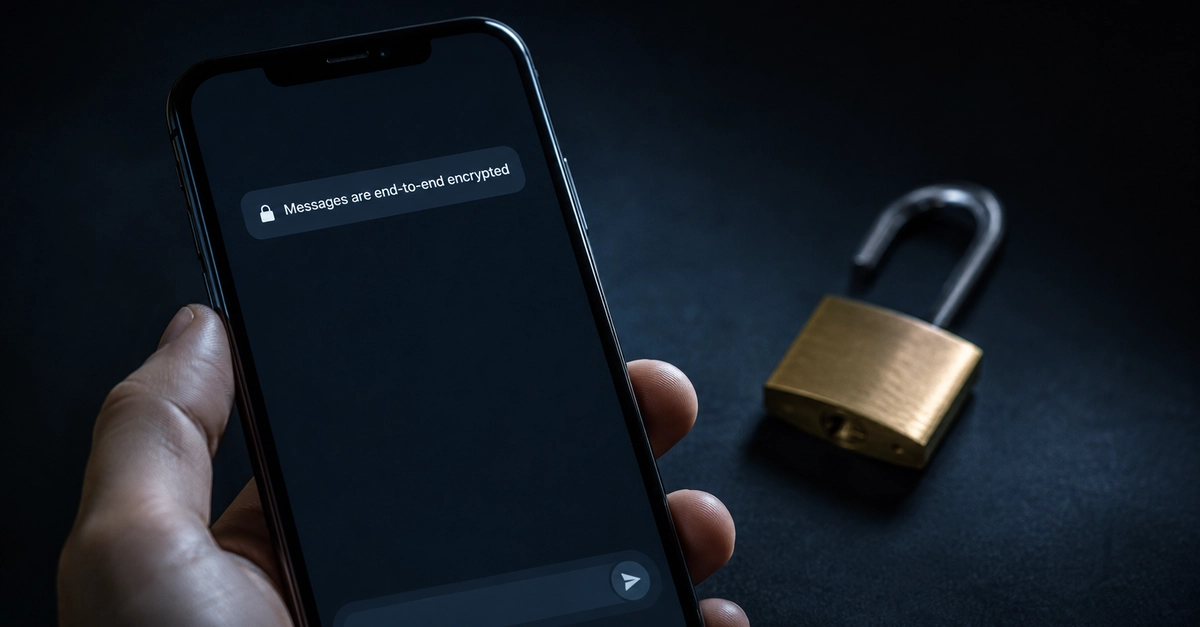
Look, the core of WhatsApp’s message encryption, the Signal Protocol, is genuinely impressive. It’s the gold standard, incorporating the Double Ratchet algorithm for forward secrecy (meaning past messages remain secure even if future keys are compromised), Curve25519 for secure key exchange, AES-256 for scrambling message content, and HMAC-SHA256 for ensuring message integrity. Back in 2016, researchers from top universities gave it a formal analysis and declared it cryptographically sound. So, for messages in transit, the system is a fortress. Nobody’s arguing with that.
But here’s the thing: the whole stack isn’t just about the cryptographic handshake. It’s about the entire ecosystem, the implementation, and what happens after the message leaves your device.
Where the Walls Start to Crumble: Cloud Backups
The Texas Attorney General, Ken Paxton, has sued Meta and WhatsApp, alleging deceptive trade practices. His claim? That the companies misled users about the extent of their privacy protections. Meta, naturally, fires back, saying they can’t access encrypted communications. Both statements can be true, which is where the technical breakdown becomes essential.
WhatsApp’s Signal Protocol library is open-source, a fantastic step. It’s been poked, prodded, and analyzed by the brightest minds. But here’s the rub: the entire implementation isn’t open to independent verification. We can’t audit the app code, the server-side infrastructure, or how they manage keys to ensure they perfectly match the protocol’s lofty guarantees. As the EFF’s Surveillance Self-Defense guide points out, WhatsApp’s closed-source nature makes it “difficult for outside experts to confirm that the company has implemented their encryption in a secure way.” The weakness isn’t in the math; it’s in the application.
The most glaring gap? Cloud backups. By default, backups to Google Drive for Android users and iCloud for iOS users are not end-to-end encrypted. WhatsApp did introduce encrypted backup support in 2021, a technically sound feature. But it’s opt-in, buried deep within the settings, and let’s be honest, most people haven’t touched it. The practical result is that messages, secure in transit, can be sitting in plaintext backups, vulnerable. This has been a notorious vector for law enforcement access for years; grabbing unencrypted WhatsApp backups from cloud providers is one of the more reliable paths to message content because E2EE stops at the device, not the storage.
Metadata: The Silent Witness
Encryption protects the content, yes, but it doesn’t touch metadata. WhatsApp’s own privacy policy reveals a treasure trove of data collection: usage logs, last-seen timestamps, feature usage, device and connection details like hardware model, OS, app version, IP address, and even general location inferred from your IP and phone settings. And this isn’t siloed data; it’s cross-referenced with other Meta services.
As former NSA and CIA Director Michael Hayden famously stated in 2014, “We kill people based on metadata.” The patterns of communication—who you talk to, when, how often, from where—tell a story just as potent as the message content itself. A platform that churns out this much behavioral telemetry, even with encrypted messages, isn’t truly a private communication system.
The Federal Probe: Allegations and Ambiguity
Now, back to that federal investigation. In April 2026, Bloomberg reported on a ten-month deep dive by a Commerce Department special agent. An email circulated by this agent suggested that Meta “stores and can view WhatsApp messages” and that “there is no limit to the type of WhatsApp message that can be viewed by Meta.” The email also described a “tiered permissions system” in place since at least 2019, reportedly granting access to employees, contractors, and numerous overseas workers.
Bloomberg was careful to note it hadn’t independently confirmed the agent’s specific claims. Shortly after the email circulated, the Bureau of Industry and Security (BIS) publicly disavowed the probe, stating it wasn’t investigating Meta for export law violations. Meta, of course, denies everything.
So, we have two facts simultaneously: these claims are unproven, and a ten-month federal investigation reached preliminary conclusions that directly contradict Meta’s public statements. The probe was then shut down before those conclusions could be formally tested. That’s not a finding of innocence; it’s an open question, filed away for future scrutiny.
Bloomberg explicitly stated it had not independently confirmed the agent’s underlying claims. Shortly after the email circulated, BIS publicly disavowed the probe and stated it was not investigating Meta or WhatsApp for export law violations. Meta denies all of it.
This entire episode underscores a fundamental truth about our digital lives. We’re building ever more complex systems, layers upon layers of technology. The Signal Protocol is a marvel, a proof to brilliant cryptography. But the architecture around it—how it’s implemented, what data is collected, where it’s stored—these are product and policy decisions. And those decisions, as this investigation suggests, can create vulnerabilities that no amount of elegant encryption can fix.
The real future of secure communication isn’t just about inventing stronger codes; it’s about radical transparency and strong, independent auditing of the entire system, from the open-source libraries to the server farms and the backup solutions. Until then, the trust we place in these platforms remains a leap of faith, not a certainty.
Why Does This Matter for Developers?
For developers building on or integrating with platforms like WhatsApp, this highlights the critical importance of understanding the full scope of a service’s security and privacy posture. It’s not enough to rely on the published cryptography specifications. You must consider:
- Implementation Details: Is the code open for audit? Are there closed-source components that could introduce vulnerabilities?
- Data Storage: Where does data reside? Is it encrypted at rest, and if so, how? Is it opt-in or opt-out?
- Metadata Collection: What telemetry is being collected, and how is it used or shared?
- Third-Party Access: What are the policies and technical controls around internal and external access to user data?
The WhatsApp situation is a potent reminder that the user experience and marketing often simplify a vastly more complex technical reality. Developers need to advocate for and build with a comprehensive security mindset, pushing for transparency and secure defaults.
Is WhatsApp’s Encryption Really Compromised?
The core Signal Protocol used by WhatsApp is considered secure and strong. However, the article highlights two key areas of concern:
- Implementation Uncertainty: Because parts of WhatsApp’s app code and server-side infrastructure are closed-source, it’s difficult for external experts to independently verify that the encryption is implemented flawlessly and securely end-to-end.
- Cloud Backups: By default, WhatsApp cloud backups (to Google Drive and iCloud) are not end-to-end encrypted. While encrypted backup is an opt-in feature, most users don’t enable it, leaving message content vulnerable in storage.
Additionally, a federal investigation, though later disavowed, raised unproven allegations about Meta’s ability to view WhatsApp messages, further fueling concerns about the broader privacy landscape beyond just message content encryption.
🧬 Related Insights
- Read more: PyTorch Docathon Smashes Goals: 150+ PRs Merged
- Read more: Next.js Adapters, TanStack’s RSC Gamble, and the Axios Supply Chain Nightmare
Frequently Asked Questions
What does WhatsApp’s Signal Protocol protect? The Signal Protocol used by WhatsApp encrypts the content of your messages and calls end-to-end while they are in transit between your device and the recipient’s device. This ensures that only you and the person you’re communicating with can read or hear what’s sent.
Are WhatsApp backups encrypted by default? No, WhatsApp backups to cloud services like Google Drive and iCloud are not end-to-end encrypted by default. While WhatsApp offers an optional end-to-end encrypted backup feature, it is opt-in and must be manually enabled by the user in the app’s settings.
Can Meta employees access my WhatsApp messages? Meta states that they cannot access users’ encrypted communications. However, a federal investigation, detailed in the article, raised unproven allegations that Meta might have internal access to WhatsApp messages through a tiered permissions system. This probe was later disavowed by the agency involved, leaving the claims unconfirmed.
What kind of data does WhatsApp collect that isn’t encrypted? WhatsApp collects metadata such as usage logs (last-seen timestamps, feature usage), device and connection information (hardware model, OS, IP address, mobile network details), and inferred general location. This data can be cross-referenced with other Meta services.