Why Terraform's user_data Still Matters (Even Though Nobody Talks About It)
user_data is infrastructure's unsung workhorse—it automates EC2 setup in three lines of bash. But there's a catch that catches everyone.


Knight Capital didn't collapse because of a bad trade. It collapsed because dead code from 2003 got resurrected by accident, and nobody had a kill switch. Here's what went catastrophically wrong.
It's 2 AM. Your phone buzzes. Everything's fine. Again. Alert fatigue isn't just annoying—it's a slow poison that kills team reliability and engineer wellbeing.
Every startup starts with a free monitoring tool. Then reality hits. We broke down exactly what free website monitoring costs you in lost productivity, missed outages, and customer trust.
Five months of "works on my machine." One Wednesday afternoon before a demo, the author finally containerized their Python environment—and discovered the real cost of invisible infrastructure.
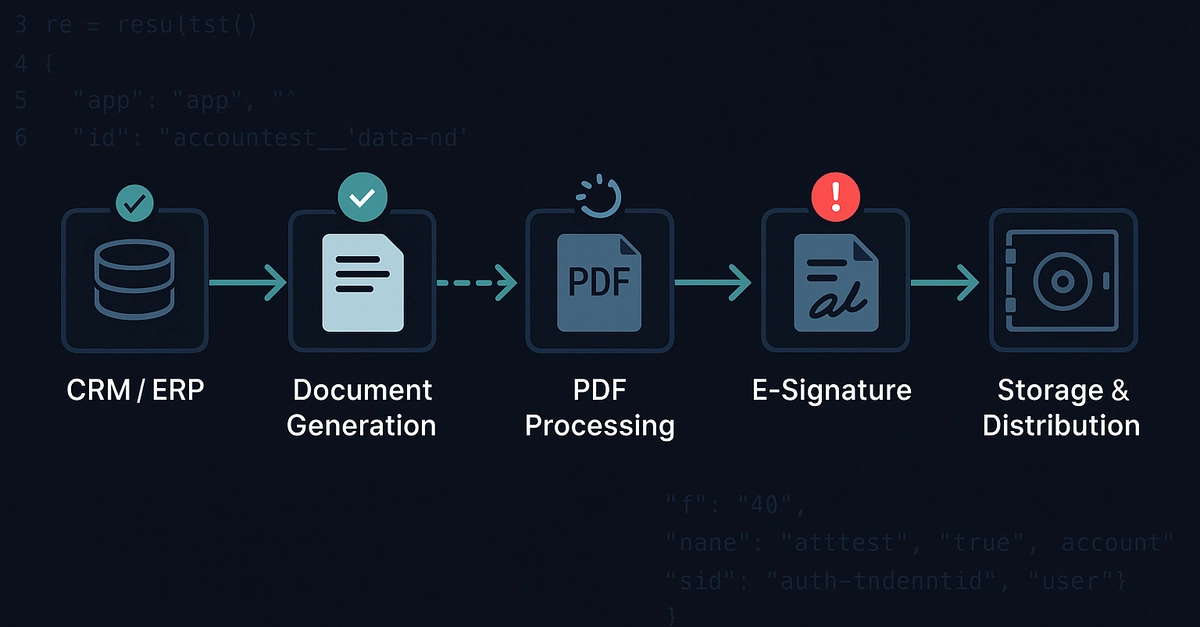
Your PDF generation script works fine at 200 contracts a month. At 20,000, it's a time bomb. Here's the architectural framework that actually scales.
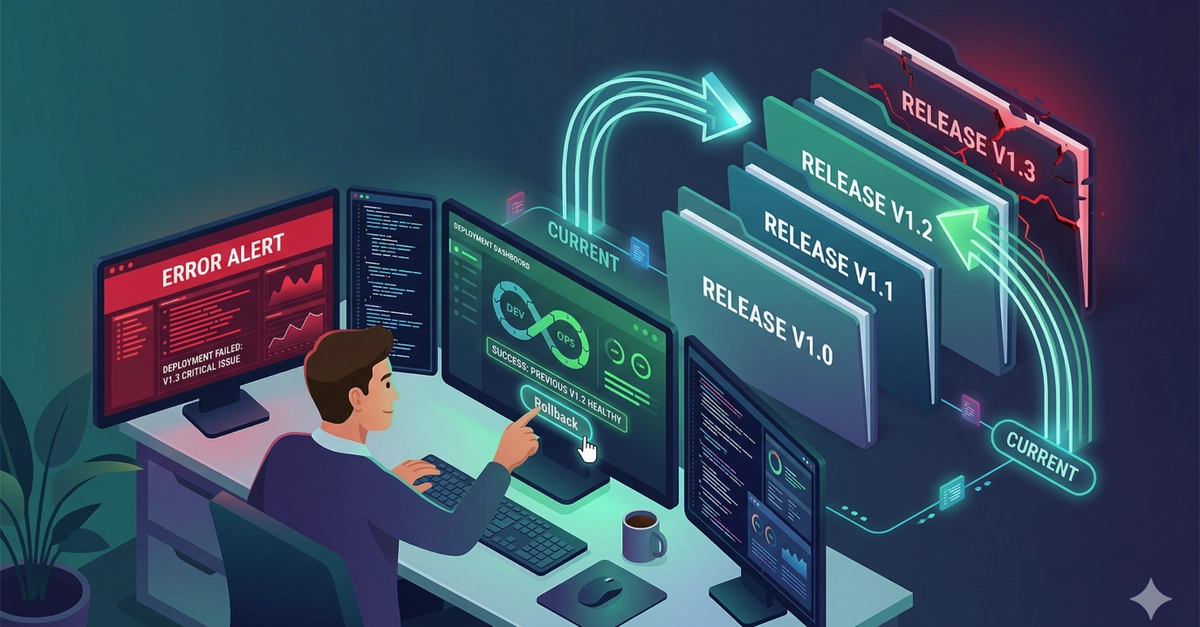
It's 4:47 PM on Friday. Your deployment passed CI, hit production, and immediately broke everything. With Deploynix, you're back to working code in 30 seconds. Here's why symlink-based releases are the closest thing DevOps has to an undo button.
A Terraform configuration that works locally can explode in production because of a single missing dependency. Here's how to tell the difference between what Terraform infers and what you need to spell out.
Your build succeeded. Your deployment went live. Your system was quietly broken the whole time. Here's how two sneaky bugs in a Remotion Vercel setup turned a reliable video rendering pipeline into a silent failure machine—and why the real culprit was something developers overlook constantly.
Picture this: one engineer's commit tanks 3,000 Uber services, delaying your ride across the city. That's the monorepo madness Uber just survived – barely.
Picture this: your code's ready, but deployment drags on for nearly an hour. We fixed it—60% faster on GCP, unleashing engineering velocity like never before.
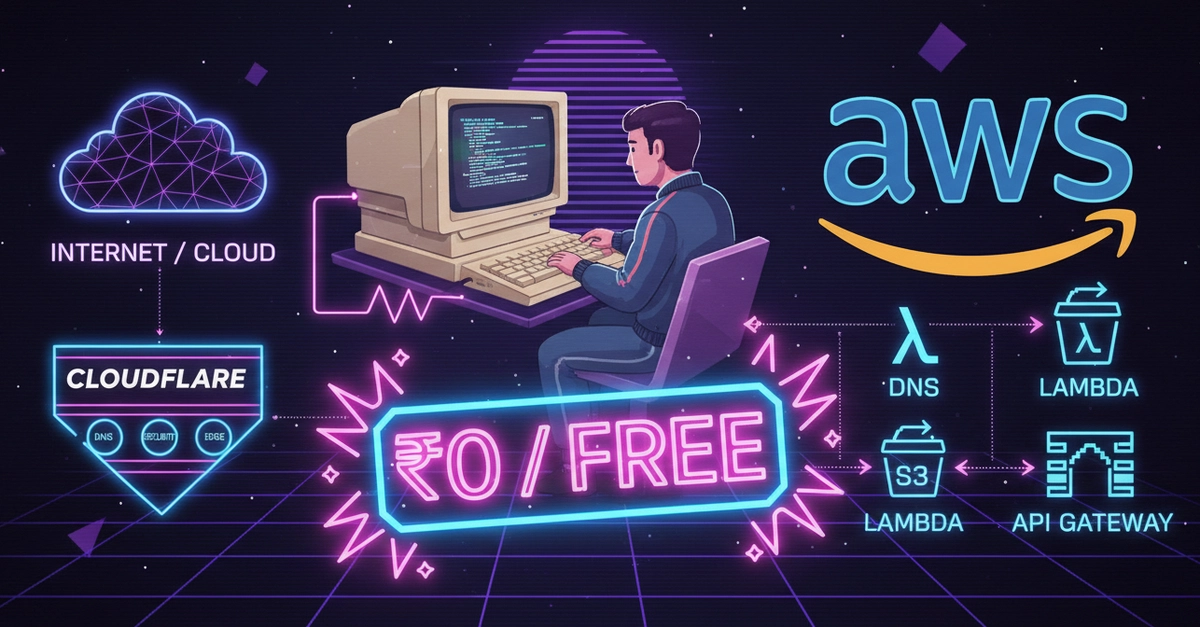
A developer built a full production infrastructure—with HTTPS, custom domain, and scalable compute—for exactly ₹0. Here's the architecture that worked, and the gotchas that almost broke it.