Why Your SQL JOIN Is Silently Killing Your Data (And How I Learned This the Hard Way)
You think JOIN means LEFT JOIN. It doesn't. And that single assumption just cost you every unmatched record in your database.

The React ecosystem is fragmenting in interesting ways this week. While Next.js doubles down on flexibility through a new Adapters API, TanStack is betting on a radically different approach to React Server Components—and Axios just got compromised in a major supply chain attack that should scare you.
One developer got tired of checking whether their training scripts crashed or finished. So they built GuGa Nexus—a stunningly simple way to get phone alerts when long-running terminal commands complete, with encrypted end-to-end messaging and no setup hell.
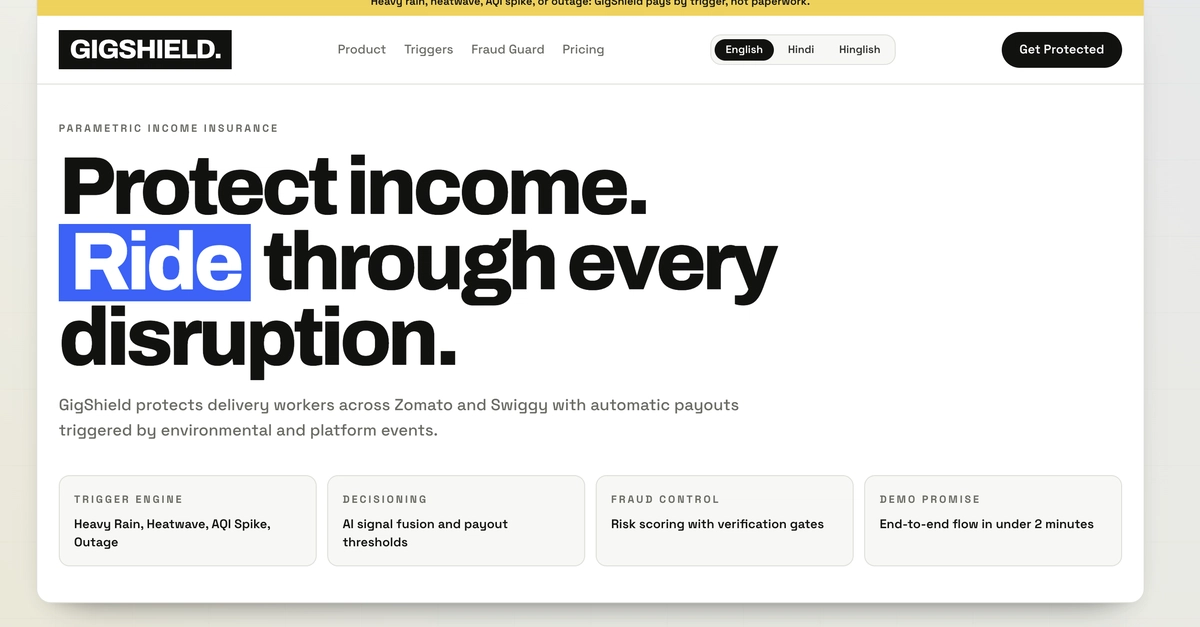
A developer built GigShield to solve a problem traditional insurance ignores: gig workers need payouts in minutes, not weeks. Here's how parametric protection and frontend-first logic change the game.
Salesforce admins spend hours digging through metadata to answer simple questions. Agentforce Vibes promises to slash that time dramatically—if you know what to ask and what to trust.
Python's governance is changing. And Astral—the company behind Ruff and uv—is quietly becoming the most influential force shaping the language's future. Here's what's actually happening behind the scenes.
Your SRE monitoring is built to catch failures—not attacks. Attackers know this. They're weaponizing error budgets as the perfect hiding place, staying just beneath the thresholds your alerts ignore.
The homelab renaissance is here—just not the way anyone expected. While GPU scarcity and skyrocketing hardware costs are squeezing budgets, a wave of AI-native open-source tools is fundamentally reshaping what's possible on your own infrastructure.
KubeVirt v1.8 just dropped, and it's not just another point release—it's the moment when Kubernetes stops being KVM-only and starts becoming something bigger. The community has figured out how to abstract the hypervisor layer itself.
Kubescape 4.0 is out, and it's solving a problem nobody saw coming: your AI agents need to understand your Kubernetes security posture. But there's a catch.