Your MVP Tech Stack Isn't a Technical Problem—Here's Why That Changes Everything
Most engineers pick the stack they already know. That's almost always wrong for an MVP. The real decision hinges on five things—none of them are about code elegance.

Cursor just dropped version 3 with a radical rethink: stop writing code, start orchestrating AI agents. We break down what shipped, the pricing trap, and whether this is actually worth your $20/month.
One developer ditched VS Code entirely for a month and built three real projects in Cursor. The results suggest the AI-native editor isn't hype—it's a genuine architectural shift in how we think about code.
Google just dropped Gemma 4, and it's not the usual hype. These open source models actually compete with hundred-dollar-a-month subscriptions—and you can run them offline, free, on your laptop.
The Gemini API is absurdly easy to start with—if you ignore the noise. Here's how to go from zero to a working AI chatbot without the typical developer headache.
ElevenLabs just dropped a music-generation app that signals a major strategic shift: voice AI companies aren't staying in their lane. This is about survival in a commoditizing market.
Claude's sub-agent system is powerful but fundamentally flawed for repeatable pipelines. It asks LLMs to be routers, and they're terrible at it. duckflux shows a better way.
AI agents promise autonomy, but flaky LLM APIs turn them into fragile messes. Enter Veridian Guard — a pure Python shield that wraps your calls in bulletproof resilience with one line.
Everyone figured Gentoo would ride Linux forever, tweaking it endlessly. Then bam — Hurd port live, Linux on the chopping block. Joke? Maybe. But it stirs up old dreams.
Imagine your AI coding agent smashing code like a bull in a china shop, but with a perfect rewind button. ckpt makes it real, turning chaotic sessions into precise time travels.
Forget chocolate hunts. This dev's CSS duck eggs – Mallards to cartoon ducks – nail 3D realism with gradients alone. It's silly, brilliant, and a reminder CSS art refuses to die.
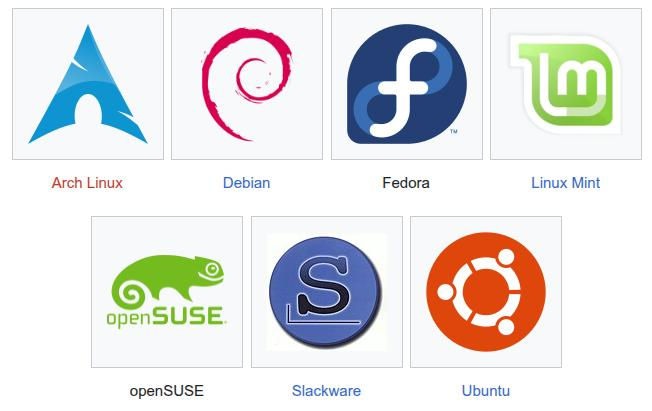
Picture Linux's beating heart: kernels breathing longer, distros splintering in fury, newcomers luring Windows exiles. FOSS Force's March top ten captures it all, raw and unfiltered.
Someone built an AI to scan medicinal plant leaves, spot diseases, and spit out remedies. Sounds handy — until you poke at the details.
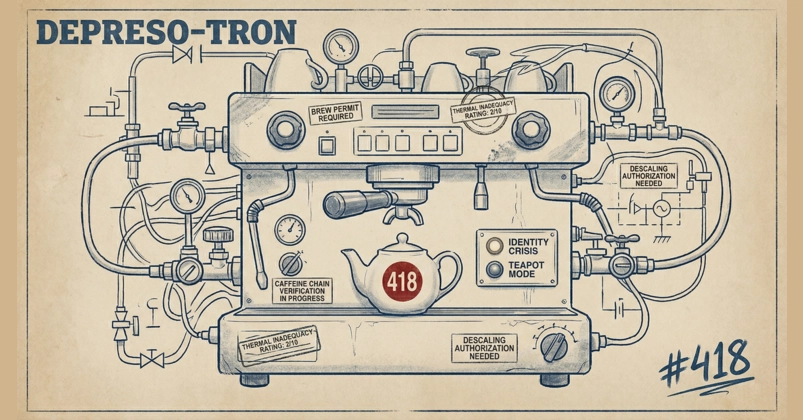
Three days in production, zero cups brewed—mission accomplished for Depresso-Tron 418. This April Fools gem mocks enterprise bloat with a coffee protocol from 1998.
Imagine your go-to vulnerability scanner suddenly phoning home with your secrets. That's exactly what Trivy v0.69.4 did to unsuspecting users last week.
You'll hit walls. Lots of them. But the developers who succeed aren't smarter—they just know what to expect. Here's what nobody tells you before you ship your first Android app.
Claude Code is powerful. Docker makes it dangerous—in the best way. Here's how to actually run it locally without burning your machine.
Over 80% of web application breaches still trace back to stolen passwords. Passkeys aren't the future anymore—they're here. So why are most apps still asking users to type secrets into a box?
A developer got tired of agent skills being trapped inside their original tools. So they built Skrun—a runtime that turns SKILL.md files into production-ready APIs with zero boilerplate. Here's why this matters.
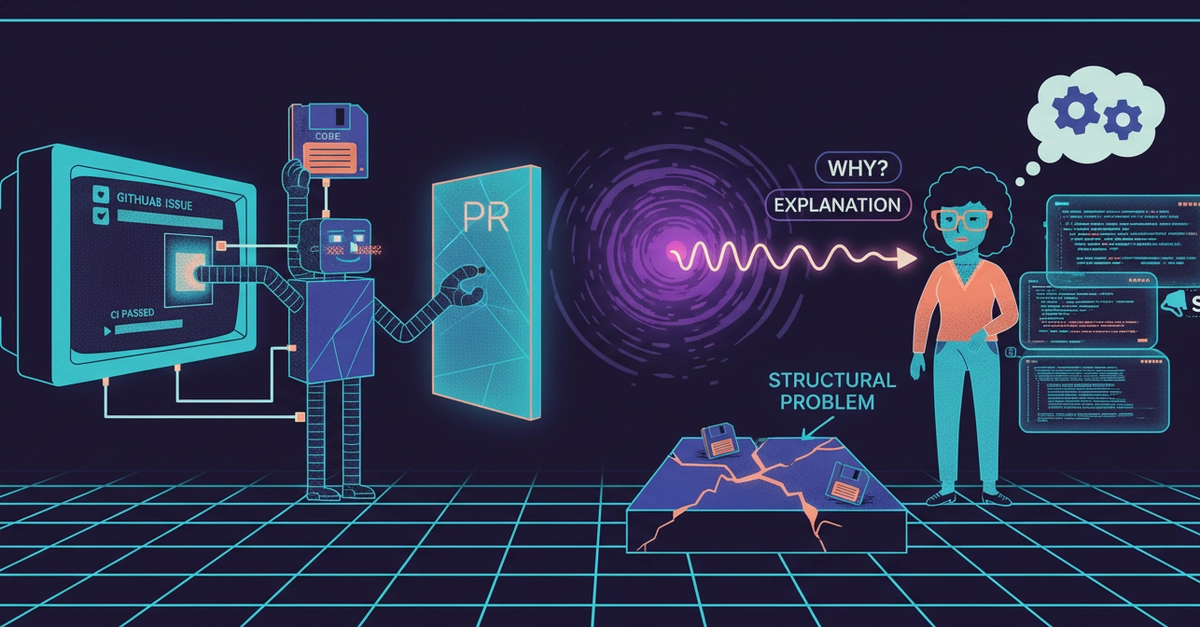
You've got 21 AI agents cranking out PRs. Impressive. But they're all taking orders from one person's head—and that person is about to break.