Linux 7.1 Brings USB-C Power Tweaks and Model Fixes to TUXEDO Laptops
TUXEDO's push for mainline Linux support hits a milestone with kernel 7.1. USB-C power modes and detection fixes mean fewer hacks for high-end Linux rigs.
Forget the board. 1D chess crams kings, knights, and rooks onto a single line — and it's brutally simple. White has a forced win, but good luck spotting it.
Forget clunky AI servers hogging your desktop. Lemonade 10.2 lets devs slip powerful local AI right into apps, AMD-style. This shifts everything.
Picture this: you're mid-scroll on a news site, finger lifting off the screen, and suddenly the lazy-loaded images flicker in perfectly timed. Safari's new scrollend event makes that reality, closing a decade-long gap in web scrolling.
Linus Torvalds just greenlit Linux 7.0, bumping the major version with a treasure trove of perf tweaks, hardware love, and Rust momentum. It's not just an update; it's the kernel flexing into a self-healing, speed-demon future.
Routine Friday? Hardly. A torrent of security updates slams Linux distros, zeroing in on OpenSSH, kernels, and Grafana—hinting at fresh exploit campaigns. Here's why sysadmins can't sleep on this.
OpenClaw exploded to 300k GitHub stars promising AI that acts, not just chats. But enterprises slamming into walls because they ignore the spec's hidden layers.
Upgrading to Spark 4.0 promises speed and SQL smarts — but one default flip could crash your queries. Here's the data-driven breakdown on breaks, gains, and survival tactics.
Apple's Swift concurrency isn't just async/await sugar. It's a hierarchy that parents tasks over unruly children, slashing bugs in parallel code. But cancellation? That's where it gets tricky.
Picture this: your AI agents crashing into each other mid-task. Google's new Scion testbed fixes that, spinning up isolated parallels across clusters. Smart move — or Google's latest cluster play?
No more wiggle room on HIPAA security. Hospitals face mandatory encryption, MFA everywhere, and 72-hour incident reports—starting now.
Picture this: an AI that stares down decades-old code, spots the fatal flaw, then crafts a working exploit. Claude Mythos did just that—thousands of times across every big OS and browser.
Your next AI agent won't beg for API keys or rack up cloud bills. With HTTP 402 and USDC, it just pays—per use, instantly, autonomously.
IP offices dreamed of ditching endless logo staring contests. Snowflake's vector wizardry delivers – mostly inside its fortress.
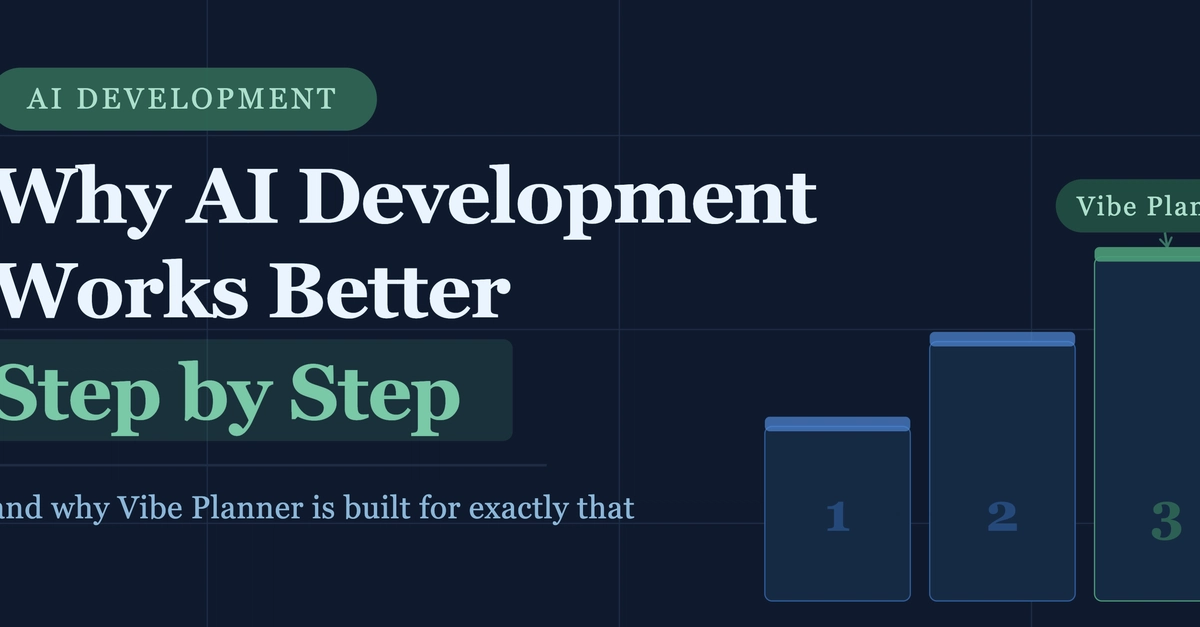
Solo developers, rejoice—or at least stop rage-quitting your AI experiments. Vibe Planner turns vague app dreams into structured tasks that AI can nail, one step at a time. No more giant-prompt disasters.
You're knee-deep in code, AI spits nonsense. Enter prompt libraries—the reluctant saviors. But which ones don't suck?
GitHub Pages is free gold for static sites, but its Jekyll builder chokes on plugins. Here's how Actions fix that mess, plus Cloudflare for real-world speed.
DraftKings lineup? Check. Optimal stats? Done. Wrong day? Catastrophic. One agent's time warp nearly tanked my Masters picks—and it's every agent's dirty secret.
SonarQube promises bug-hunting bliss in Docker. Reality? Memory guzzler with sysctl gotchas. Here's the no-BS path forward.
Forget cloud hype. A cheap GPU now runs AI coders better than paid APIs—with your secrets safe. But who's really cashing in?