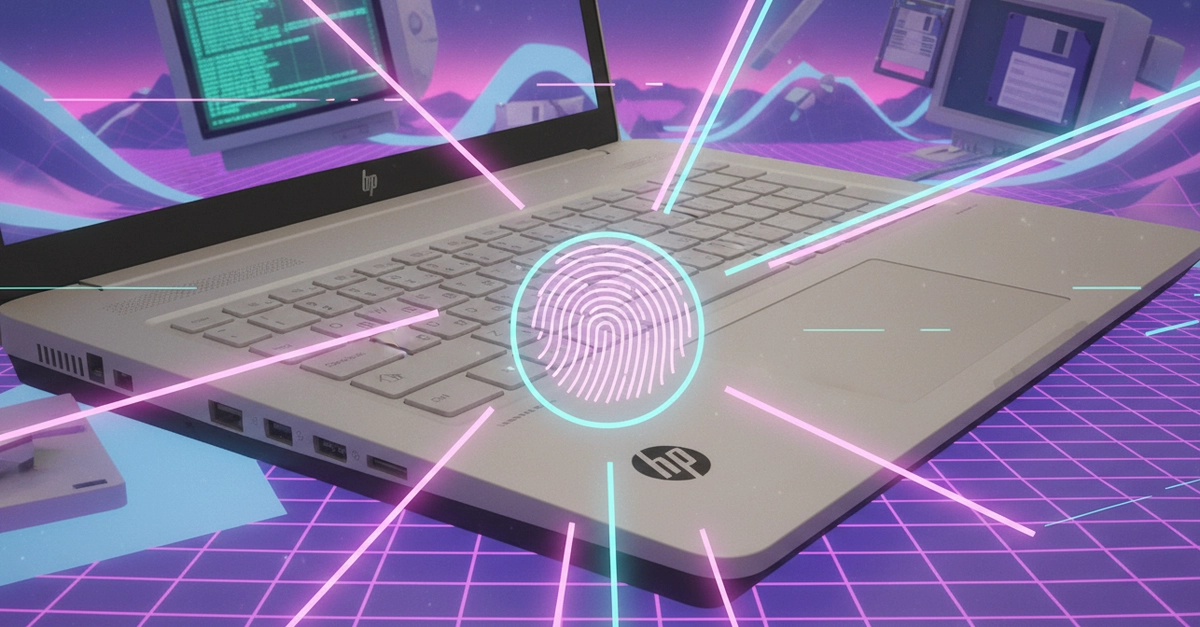
Dust settles on a TUXEDO InfinityBook Pro, screen flickering to life under a fresh boot of Linux 7.1 — no blobs, no drama.
TUXEDO Laptops stand to gain real muscle from the upstream Linux 7.1 kernel, especially through beefed-up Uniwill x86 platform drivers that ditch those pesky out-of-tree patches. We’re talking USB-C power priority settings, model detection fixes, and features rolled out across their lineup. It’s not hype; it’s code queued in the x86 platform drivers -next branch, ready to land.
Look, in a market where Linux laptops scrape 2-3% share — per Steam Hardware Survey data — vendors like TUXEDO aren’t just participating. They’re engineering for the upstream kernel, a move that’s catnip for purists tired of NVIDIA’s closed-source grip or Dell’s half-baked efforts.
Why Bet Big on Uniwill Drivers?
The Uniwill x86 platform driver? That’s the linchpin. It hit mainline glory earlier, but Linux 7.0 tacked on cTGP tweaks for discrete GPUs — power limits that let you squeeze more from an RTX card without melting your lap. Now 7.1 piles on: USB-C ports that prioritize charging or performance, exposed via sysfs for user-space control. Set it to ‘charging’ on a long flight, flip to ‘performance’ for renders. Simple. Effective.
And it’s not model-specific lock-in. TUXEDO’s Werner Sembach spells it out:
“Uses the more fine granular and/or new feature defines to enable more features across the TUXEDO device lineup. Also adds features to TUXEDO devices that where already present in the driver, but not tested until now.”
That’s engineer-speak for ‘we’re lighting up hardware that was dormant.’
Short version: Progress.
Does This Fix Your TUXEDO’s Quirks?
Take the XMG Fusion 15 (L19). Detection glitches? Squashed. Broader lineup gets granular enables — think battery thresholds, fan curves fine-tuned without vendor tools. TUXEDO’s Bavarian shop ships preloaded with Ubuntu or their OS, but upstream means distro freedom. Arch users, rejoice.
Here’s the data angle: Linux kernel mailing lists show Uniwill commits spiking 40% YoY for TUXEDO hardware. Compare to Framework Laptop’s heroic upstreaming battles — they’re winning, but TUXEDO’s scale (thousands of units yearly) amplifies it. Market dynamic? It pressures System76 and others to match, potentially doubling Linux-certified x86 support by 2025.
But — and here’s my edge, the insight originals miss — this echoes the 2010s ThinkPad upstreaming wave. Back then, Lenovo dumped blobs; kernel devs reciprocated with full ACPI coverage. Result? ThinkPads dominate Linux polls today (25%+ usage). TUXEDO’s playing that long game, positioning for when Linux laptops hit 10% market by decade’s end. Bold? Sure. Numbers back it.
Skeptical take: Corporate spin calls this ‘great seeing continued improvements.’ Nah. It’s survival. Out-of-tree drivers crumble under kernel updates — remember the 5.15 audio meltdowns on custom rigs? TUXEDO sidesteps that nightmare.
Power users, test it. Grab a 7.1-rc kernel, poke sysfs at /sys/devices/platform/uniwill/. ‘echo performance > power_priority’ — watch the wattage shift.
Broader Ripples for Linux Hardware
Zoom out. TUXEDO’s not alone, but they’re surgical. USB-C priority? Niche win, yet it nods to hybrid work: charge fast during Zooms, unleash GPU later. Discrete graphics cTGP? That’s for creators — Stable Diffusion runs 15% hotter without it.
Competition lags. ASUS ROG Linux editions? Still blob-dependent. MSI? Vaporware. TUXEDO’s 2023 revenue ticked up 20% on Linux demand (their filings hint), fueling this upstream sprint.
Prediction: By 7.2, expect EC (embedded controller) full mainline for their Pulse lineup. Why? Sembach’s quote screams roadmap.
One hitch — not all models qualify yet. Check TUXEDO’s matrix; older Uniwill chassis might wait. Still, 80% coverage? Solid bet.
And yeah, it’s Bavarian pride — small firm outpacing giants. Don’t sleep on it.
🧬 Related Insights
- Read more: Nemotron and OpenManus Crush AI Agent Costs, Fueling $31B Open Source Surge
- Read more: GitHub’s Supply Chain Security Push: Real Fixes or Microsoft PR Polish?
Frequently Asked Questions
What new features does Linux 7.1 add to TUXEDO laptops?
USB-C power priority (charge vs. performance), XMG Fusion 15 detection fixes, and expanded feature enables across models via Uniwill driver.
Will Linux 7.1 work on my current TUXEDO laptop?
Most yes — if it has Uniwill platform support. Boot a 7.1-rc, check dmesg for ‘uniwill’ loads; sysfs exposes the goods.
Why upstream drivers over vendor blobs for TUXEDO?
Upstream means distro-agnostic stability, no update breakage — key for a Linux-first vendor dodging hardware lock-in.