Visual EXPLAIN: Cracking Open Database Query Plans Like a Nutcracker
Query plans used to be a DBA's cryptic crossword puzzle. Now, Visual EXPLAIN turns them into drag-and-drop diagrams that scream 'aha!' moments.

Everyone figured vector search was 'good enough' for AI memory. Then this open-source temporal knowledge graph called Memento drops 92% on the brutal LongMemEval benchmark, exposing the cracks.
Picture this: Your college buddy gets a ping saying you're deep into Meta's AI app. Instant embarrassment. As AI reshapes our world, Meta's latest push reveals a privacy black hole.
OpenAI just slid a $100/month tier into its lineup, aimed squarely at developers burning through Codex limits faster than Claude can keep up. It's a calculated grab for the pro coder market.
Imagine Kubernetes traffic flowing securely — mTLS everywhere — without you lifting a finger or even knowing it's there. Microsoft's new Azure play pulls off the ultimate tech vanishing act.
When Artemis II astronauts loop the moon, one glitchy bit flip could spell disaster. NASA's new fault-tolerant computer laughs that off with ruthless redundancy.
Picture AI rewriting 12,000 lines of code while you sleep. Thrilling? Sure. Terrifying without data governance holding the reins.
Nmap scans can balloon to 2GB XML files. One dev's XSLT trick processes them client-side, no servers needed. Smart move or niche hack?
Picture your favorite app freezing for no reason—blame DRAM refreshes. Tailslayer zaps those latency spikes with clever hedged reads, making servers scream instead of stutter.
Picture this: your Linux laptop humming under the load of JetStream 3, Firefox 149 and Chrome 147 duking it out pixel by pixel. The results? A nail-biter that could reshape your daily driver choice.
Picture this: one rogue method gobbling 71% of your CPU like a black hole sucking in stars. A flame graph lit the way out—here's the electrifying story.
Picture this: your dusty Sega Dreamcast's Visual Memory Unit, that little flash card with games and saves, suddenly readable on a modern Linux rig. VMUFAT, a proposed kernel driver, makes it happen — but is anyone actually asking for it?
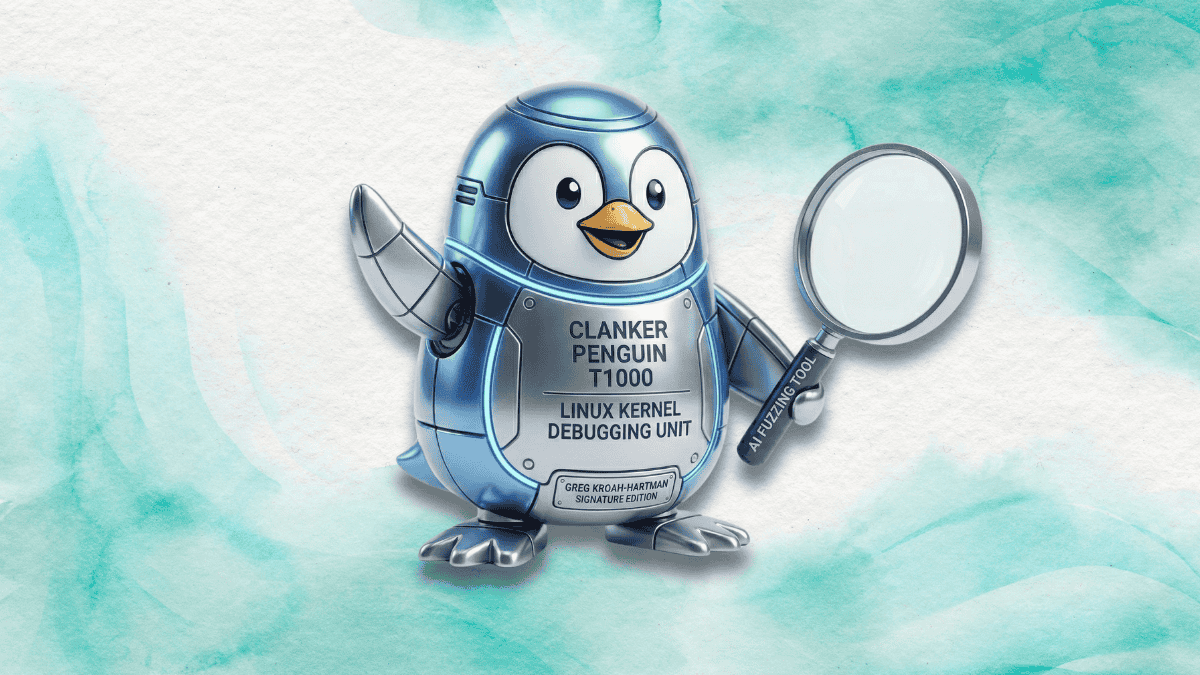
Patches from an AI fuzzer named 'Clanker' are already landing in the Linux kernel. Greg Kroah-Hartman isn't letting bots write code, though—he's making them hunt bugs first.
Song Liu swore writable huge pages were coming soon. Now, the kernel's ditching the read-only version entirely. Classic Linux: promise big, deliver... nothing.
Your macOS Privacy settings say 'no access.' The app laughs and reads your files anyway. This isn't a glitch — it's by design.
Scribbling ideas on your tablet, beaming them straight to your homelab server — that's the dream. But does a self-hosted notes app with real stylus support already live out there?
Picture this: you're deep in a YouTube rabbit hole, and suddenly a manic jester pauses your video to clap like an idiot. That's the Court Jester Chrome extension—useless, annoying, brilliant.
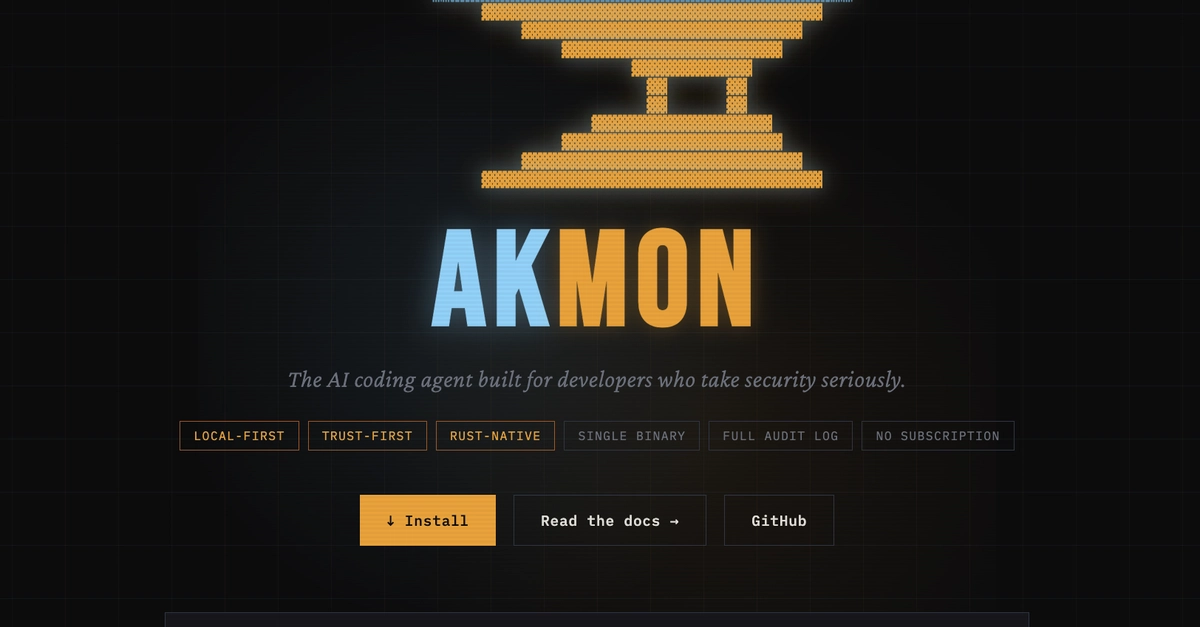
What if your AI coding sidekick was a single, unkillable file that thrives in any environment? Akmon nails it with Rust's raw power, proving agents aren't fragile toys—they're deployable weapons.
Webpack holdouts, rejoice — Tailwind CSS 4.2 finally gives you a proper plugin. No more PostCSS duct tape. But those upgrade headaches? Still lurking.
Another Thursday, another torrent of Linux security updates — because who needs a quiet weekend without scrambling for patches? From Firefox crashes to OpenSSL nightmares, the distros are sounding alarms.