2025: Seattle police sent out bulletins almost exclusively about protests and potential traffic delays. Not terrorism. Not international threats. Protests. This isn’t some fringe conspiracy; it’s the output of Seattle Shield, a taxpayer-funded intelligence-sharing network that’s been quietly humming along since 2009.
Here’s the kicker: Facebook, Amazon, ICE – they’re all members. Apparently, preventing terrorism now includes keeping tabs on who might be late for work due to a demonstration. The Seattle PD, naturally, declined to comment. Big surprise there. Neither did the tech giants, nor their appointed analysts. They’re all perfectly happy to let the gears grind in the dark.
Seattle Shield’s stated mission is noble enough: foster collaboration to identify and mitigate terrorism. Sounds good on paper. But the reality, as uncovered by Prism, is far less grand. It’s an unfunded program, managed by a single officer. And its focus seems to have drifted — massively — from international bogeymen to local activism.
Privacy activist Phil Mocek has been watching this circus for years. He pointed out a chilling detail: a National Security Presidential Memorandum from the Trump administration in 2025. This gem labels “protest speech and protected speech” as potential indicators of terrorist threats. So, showing up to protest ICE could land you on a terrorist watch list. Because, you know, that’s how you fight extremism. By silencing dissent. It’s a classic authoritarian playbook, disguised as public safety.
Is This Even Legal?
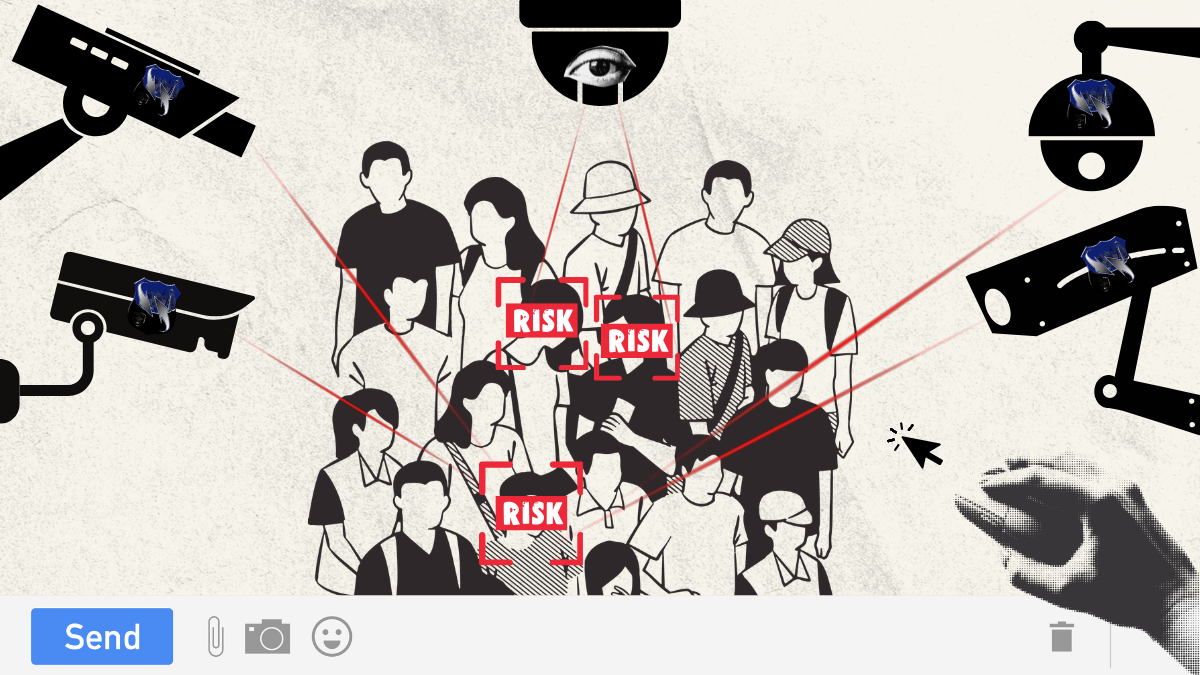
Seattle Shield asks private companies to generate suspicious activity reports. These reports then feed into a national surveillance apparatus. It’s creating its own suspect lists. Photos of people, their cars, all plastered on a private blotter. Accessible to hundreds of agents, intelligence operatives, and private security guards. All for the crime of… what, exactly? Being in the wrong place at the wrong time? Or maybe just having an opinion the wrong people don’t like.
One bulletin from October 6, 2025, serves as a perfect example. It warns about local events tied to the anniversary of the Hamas-Israel conflict. It lists attacks on Jewish targets elsewhere. But it conveniently omits any mention of anti-Muslim or anti-Palestinian attacks happening across the country. Then it drops this gem:
Homegrown violent extremists (HVES), racially or ethnically motivated violent extremists (REMVES), and grievance-driven malicious actors may use this anniversary to conduct their own attacks at any relevant target locations, depending on their aspirations.
Right. Because clearly, anyone concerned about the Middle East is a potential domestic terrorist. The bulletin also noted a protest that resulted in “graffiti and property damage at a local tech company CEO’s residence.” So now, even a grumpy homeowner with a spray can becomes a national security concern.
Where’s the Oversight?
This is where it gets truly absurd. The ACLU of Washington, a group that usually has its eye on every twitch of government overreach, hasn’t even been following Seattle Shield. Apparently, a sprawling intelligence network involving tech giants and law enforcement slipped under their radar. Or maybe they just don’t have the resources to chase every shadow. Either way, it’s a concerning oversight.
What we’re seeing here is a pattern. Public-private partnerships, cloaked in the language of national security, increasingly used to monitor and suppress dissent. The lines between policing, corporate surveillance, and political monitoring are blurring. Seattle Shield isn’t just a local quirk; it’s a symptom of a much larger, more disturbing trend. And without transparency and strong accountability, it’s a trend that will continue to erode civil liberties. This isn’t just about Seattle; it’s about the direction of surveillance in America.
🧬 Related Insights
- Read more: Local Tools Fragmentation: The State-Sharing Puzzle No One’s Solved Yet
- Read more: Microsoft’s MDASH: More AI Agents, More Problems?
Frequently Asked Questions
What is Seattle Shield?
Seattle Shield is an intelligence-sharing network operated by the Seattle Police Department, connecting law enforcement with public and private partners to identify and mitigate potential acts of terrorism. It also collects information on suspicious activity, including protests.
Who are the members of Seattle Shield?
Members include the Seattle Police Department, other law enforcement groups, federal agencies like ICE and the FBI, private corporations such as Amazon and Facebook, and private security firms.
What kind of information does Seattle Shield share?
Records show that since 2020, the network’s bulletins have increasingly focused on protests and potential traffic delays caused by demonstrations, along with warnings about potential extremist activity linked to geopolitical events.