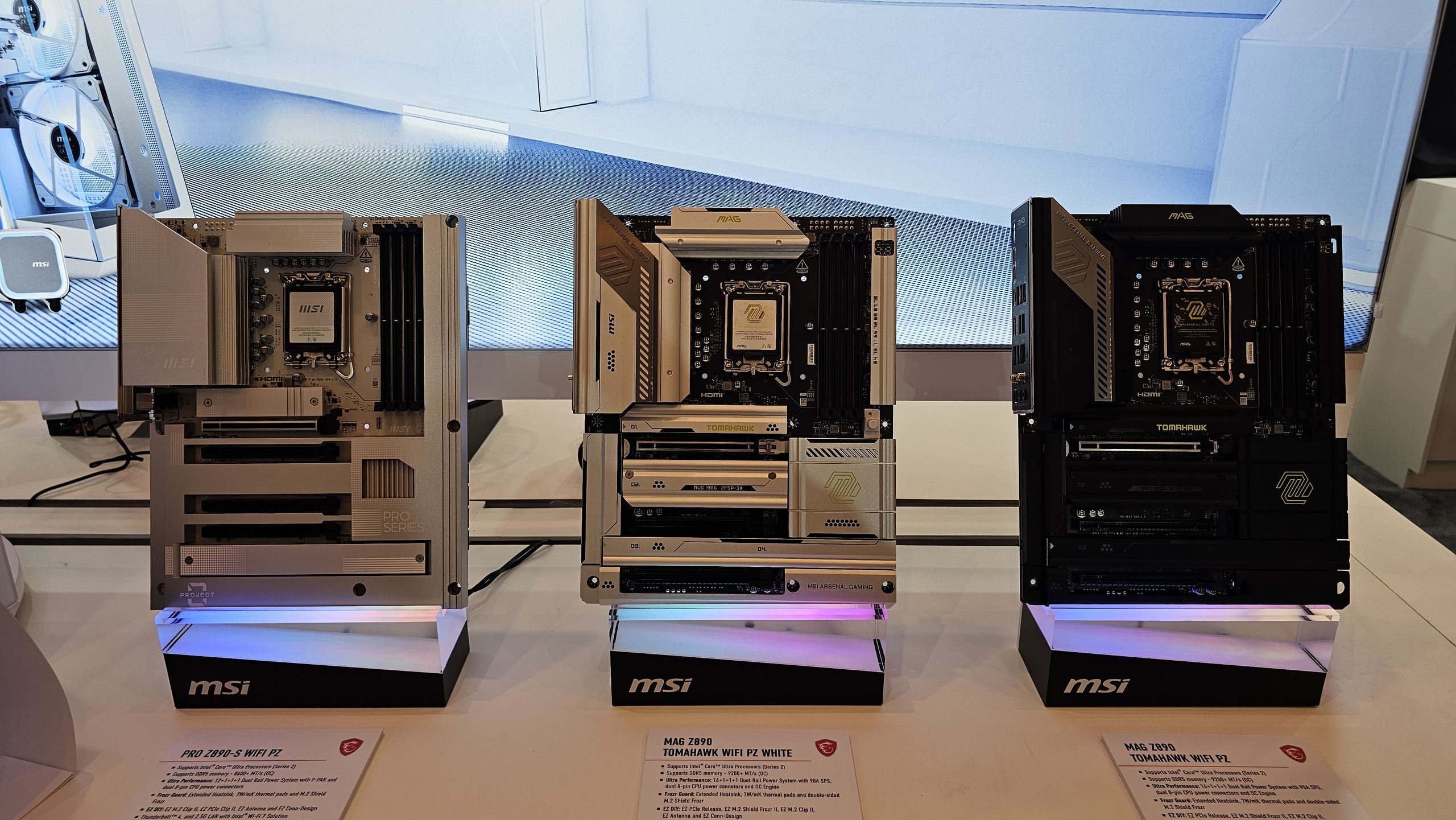
For the average person staring down a PC upgrade, the news isn’t good: the very technology promising to revolutionize our lives—Artificial Intelligence—is simultaneously making it harder and more expensive to buy a new computer. Motherboard sales are in freefall, a direct consequence of unprecedented shortages rippling through the tech supply chain, fueled by the immense demand for AI processors. This isn’t just a blip; it’s a seismic shift impacting everything from memory modules to storage drives, pushing prices higher for components that are already in short supply.
Here’s the brutal math: chipmakers like Nvidia, Intel, and AMD are diverting production capacity away from consumer-grade silicon to churn out the powerful AI chips that hyperscalers and AI startups are desperately acquiring. This strategic pivot means fewer processors, fewer memory modules, and fewer storage devices are being manufactured for the traditional PC market. The result? A full-blown component scarcity, pushing even high-end CPUs and GPUs out of reach for many.
This isn’t speculation; it’s market reality. Digitimes, a reliable source for supply chain intelligence, reports that the four major motherboard manufacturers—Asus, Gigabyte, MSI, and ASRock—are all revising their sales targets downward. Asus, once a powerhouse selling 15 million units annually, now projects only moving 10 million this year, a stark 33% decrease. Gigabyte and MSI face similar contractions, with ASRock bracing for a significant 37% drop.
Why the ‘collapse’?
The core of the issue is AI’s ravenous appetite. The infrastructure required for advanced AI, particularly for agentic AI systems that are experiencing rocket-like growth in interest, demands vast quantities of cutting-edge processors, high-speed memory, and rapid storage. These aren’t your everyday components; they’re specialized, high-performance parts that gobble up a disproportionate amount of manufacturing resources. When companies like Nvidia decide to prioritize their lucrative AI chip lines, consumer-facing products inevitably take a backseat.
This dynamic creates a vicious cycle. As key components become scarcer and pricier, consumers delay their PC upgrades, opting to hold onto their existing machines for longer. This, in turn, directly impacts motherboard manufacturers, who rely on a steady stream of component availability and consumer demand to move their own products. The market contraction is palpable, with the overall motherboard market for the ‘big four’ manufacturers facing a projected 28% contraction.
Beyond the AI surge, a confluence of other factors is discouraging PC builders. The ongoing socket situation for AMD’s AM5 platform and Intel’s delayed LGA 1954 launch create uncertainty for CPU upgrades. Furthermore, the lack of refreshed high-end GPU series from Nvidia this year, coupled with rumors of the RTX 60 series not arriving until 2028, removes a significant upgrade incentive for gamers and content creators.
Is this a death knell for PC builders?
Not necessarily. While the situation is dire for consumer PC component sales, it’s a golden age for manufacturers pivoting to the AI gold rush. Asus, Gigabyte, and ASRock are already reallocating production lines to AI servers, tapping into the massive investments being poured into data centers by hyperscalers. This strategic maneuver allows them to maintain profitability, even as their traditional motherboard business suffers.
For those still intent on building a new PC, there might be silver linings. Retailers are eager to clear inventory, potentially leading to some attractive motherboard bundle deals. However, these discounts are unlikely to fully offset the inflated costs of memory, storage, and processors. It’s a trade-off: save a little on the foundation of your build while still paying a premium for its core components.
Digging Deeper: The Pricing Paradox
The absurdity of the current pricing landscape can’t be overstated. User comments on tech forums lament motherboard prices soaring to $1000, a figure that would have been unthinkable for even high-end consumer boards a few years ago. This isn’t a mere inflation; it’s a direct consequence of limited supply meeting overwhelming demand, amplified by the shift in manufacturing priorities.
“AI increased prices of everything at least 3x, if not more. I could build a new computer (as my existing one is quite old), but not intend to pay 5k for it (aka there are motherboards now at 1k price point, and they are not even dual cpu! how come this reach this absurd point?).”
The sentiment is shared: users are postponing upgrades, finding current rig costs prohibitive. The desire for more competition in memory and GPU markets is a common refrain, a cry for a more balanced ecosystem that isn’t dictated solely by the demands of AI.
Looking Ahead: A Market Divided
This bifurcation of the market—one segment booming with AI infrastructure investment, the other struggling with component scarcity—is a critical development. It highlights a strategic shift where consumer-grade hardware is no longer the primary focus for major chip manufacturers. This could have long-term implications for PC innovation and affordability.
While the current market presents significant challenges for PC enthusiasts and budget-conscious builders, it also underscores the immense economic power and rapid expansion of the AI sector. The motherboard market’s “collapse” isn’t a sign of its demise, but rather a dramatic illustration of resource reallocation in the face of a dominant, new technological frontier.
What does this mean for the user?
It means patience, or a significant budget increase. The days of readily available, affordably priced PC components for gaming or general use might be on extended hiatus. The AI boom, while promising future advancements, is currently a costly interlude for the everyday consumer looking to refresh their digital toolkit.
🧬 Related Insights
- Read more: AI Dev Tools Now Ship Code: The Human Shift
- Read more: Redis 8 Cluster Obliterates Memcached in Benchmarks [2026]
Frequently Asked Questions
Will this AI-driven shortage mean I can’t buy a new PC?
It’s unlikely that you won’t be able to buy a new PC at all. However, it will be significantly more expensive, and component availability will be much lower than in previous years. Upgrades will be postponed by many.
How long will these AI chip shortages last for PC components?
Industry analysts suggest that these shortages could persist for at least another 12-18 months, as the demand for AI infrastructure continues to outpace production capabilities. The situation is fluid, but a quick return to pre-shortage pricing and availability is not anticipated.
Are motherboard prices going up because of AI?
Yes, indirectly. AI’s demand diverts chip production, creating shortages of core PC components like CPUs, GPUs, RAM, and storage. This scarcity drives up the prices of these essential parts, making overall PC builds more expensive, including the motherboard.