Forget the breathless pronouncements. What does this mean for the average user staring at their screen? It means your file manager won’t chug as much. It means searching for that obscure document might actually be quicker. And it means that dark theme you’ve painstakingly tweaked might look a little cleaner. This isn’t groundbreaking. It’s just… better.
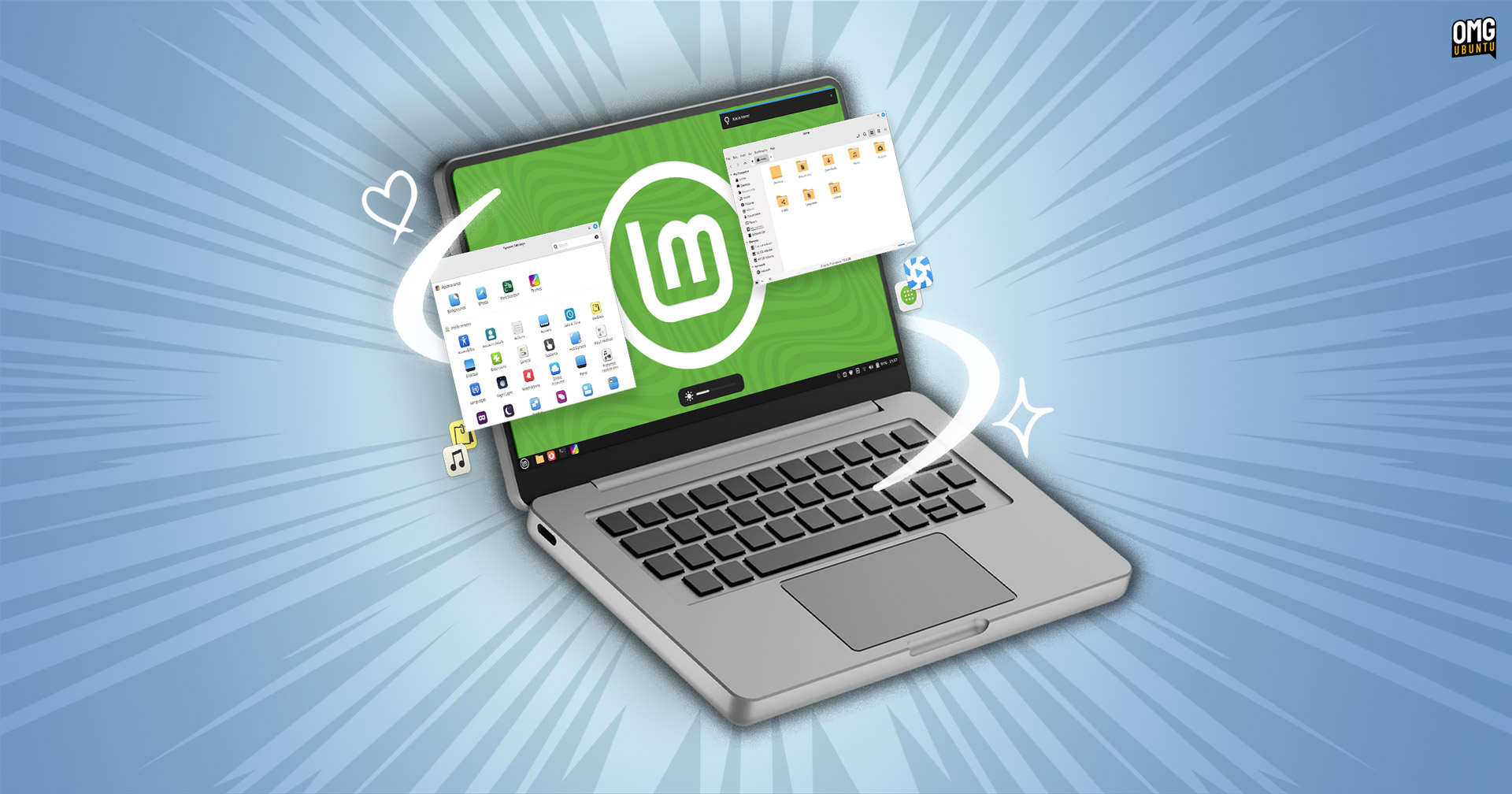
Look, Linux Mint has always played the long game. They’re not chasing the bleeding edge. They’re polishing the reliable. This latest batch of updates for their Cinnamon desktop, slated for release around Christmas 2026 — yes, that far out — reflects that steady, incremental approach. The Nemo file manager, the workhorse for many, is getting a speed boost. Directory loading times are being slashed. Search functionality, often a weak point, is also getting a tune-up. This isn’t about reinventing the wheel; it’s about making the existing wheel spin with less friction.
And then there’s the screenshot tool. Cinnamon is developing its own. Why? Because the existing ones, while functional, might not offer the fine-grained control some users crave. Window shadows. Multi-monitor support. These are the details that matter to people who actually use their desktop for more than just browsing. It’s a sign that Mint is listening to its users, even if their development cycle moves at a geological pace.
Why Does This Matter for Developers?
For developers, particularly those who rely on Linux for their daily grind, these aren’t just cosmetic tweaks. A faster file manager means less waiting around. Improved search could shave precious minutes off finding project files. The development of native tools, rather than relying on third-party apps, can sometimes lead to tighter integration and fewer dependencies. It’s about building a more efficient, less frustrating environment. And let’s not forget the WPA3 and OWE support for wireless. In an age where security is paramount, even a desktop OS needs to keep pace with evolving network standards. It’s a small but significant layer of protection.
But here’s the thing about Mint’s approach: it’s deliberately unsexy. They’re not announcing a new AI model or a blockchain integration. They’re improving dialog boxes. They’re refining themes. This is the unglamorous, vital work that makes an operating system genuinely pleasant to use day in and day out. It’s the difference between a car that looks fast and a car that is fast, and comfortable, and reliable.
“Some of the Cinnamon work this month includes making their Nemo file manager much faster for loading directories, improving the search functionality within the file manager, and also beginning to develop Cinnamon’s own screenshot tool.”
This quote from the blog post, while dry, tells a story. It’s a story of meticulous engineering, not marketing hype. It’s about the quiet improvements that add up over time. The “draggable Clutter dialogs” might sound like technobabble, but it means you can move those annoying pop-up windows where you want them. Small victories.
Is This Just Corporate Hype?
Frankly, no. Linux Mint’s development model is remarkably transparent. They lay out what they’re doing, and when. There’s no veiled threat of obsolescence or a push for a subscription service. This is open-source software being improved by a community-driven project. The biggest critique, if you can even call it that, is the release cadence. Late 2026 feels like an eternity in tech years. But that’s also their strength. They prioritize stability and thoroughness over speed. It’s a trade-off many users are happy to make.
One unique insight here is the sheer inertia of desktop operating systems. While the world obsakes about AI and the metaverse, the fundamental experience of using a personal computer still hinges on things like file management and theme consistency. Mint’s focus on these core elements, while seemingly pedestrian, is a quiet act of defiance against the ephemeral trends of the wider tech industry. They’re building for longevity, not for next quarter’s earnings report.
The Slow Burn of Progress
So, while the tech news cycle is awash with AI breakthroughs and cloud-native revolutions, Linux Mint is quietly making its desktop better. It’s the desktop equivalent of a well-maintained antique clock – complex, reliable, and built to last. These updates to Nemo, the theme engine, and network security are precisely what make desktop Linux a viable, and for many, a preferred alternative. It’s not the flashiest news, but for the people who use it every day, it’s the most important.
🧬 Related Insights
- Read more: Valve Engineer Crushes Linux Gaming’s vRAM Bottleneck on Budget GPUs
- Read more: Intel’s USB4STREAM: Linux Gets Direct Data ‘Pipes’
Frequently Asked Questions
What is the Nemo file manager? Nemo is the default file manager for the Linux Mint Cinnamon desktop environment. It’s responsible for browsing and managing files and folders.
When is the next major Linux Mint release? While these are incremental updates, the next major feature release of Linux Mint Cinnamon is anticipated around Christmas 2026.
Will these changes affect older versions of Linux Mint? These updates are typically rolled into the Cinnamon desktop environment. Users of current Linux Mint versions will likely receive these improvements as part of regular system updates, though the major release is slated for 2026.