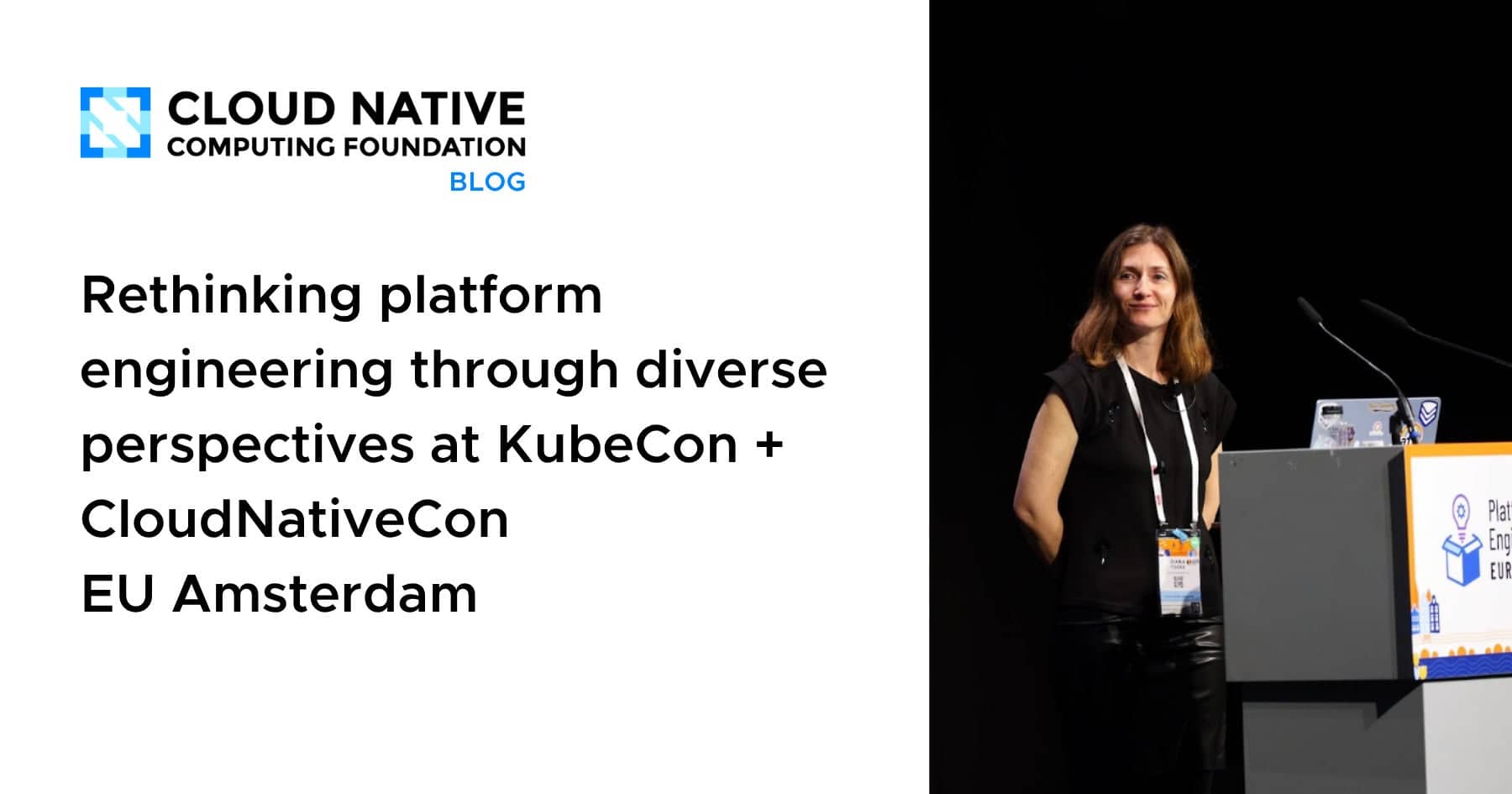
Two-thirds of organizations running generative AI models are using Kubernetes for inference. Production Kubernetes adoption is at 82%. Fresh Q1 2026 data from a CNCF-SlashData joint study, presented at KubeCon + CloudNativeCon Amsterdam, has put hard numbers on what the industry’s been feeling for a while: Kubernetes isn’t just surviving the AI wave — it’s the platform the AI wave is running on.
“Kubernetes is becoming the de facto operating system for AI.”
That’s not hype — that’s the framing from Bob Killen, senior technical program manager at CNCF, on the KubeCon expo floor. Twenty years in this circus, and I still have to grit my teeth at such pronouncements, but the data this time… it’s tough to argue with.
The CNCF research also clocked the cloud-native developer community at 19.9 million developers globally. Some highlights that actually matter:
- 82% of organizations run Kubernetes in production. Seriously, if you’re still wrestling with VMs for anything remotely serious, you’re living in the past.
- Two-thirds of orgs running gen AI use Kubernetes for inference. This isn’t about picking the fanciest model; it’s about the plumbing.
- Operator experience — that often-ignored middle layer between infra and dev — is finally a top concern. Good.
- The real bottleneck isn’t code generation; it’s DevOps, reliability, and security. Shocker.
Coding was never the long pole. AI-generated code just made the short poles shorter. Security, reliability, and ops discipline were already stretched thin — now they’re getting hammered by code volume that humans didn’t produce and can’t always reason about. It’s like giving a toddler a magic wand for building houses; they can whip something up in seconds, but you’ll be calling the structural engineer five minutes later.
The CNCF data frames this clearly: guardrails are the mechanism that lets organizations move fast without lighting things on fire. Liam Bollmann-Dodd, principal market research consultant at SlashData, put it plainly:
The AI developer — whether they are super competent, medium competent, upskilled or downskilled — you can basically just say they cannot destroy our systems, they are locked into what they do, and therefore you can let them be a bit more dangerous because they can’t actually break things.
And that, my friends, is the core of it. The implication is direct: what’s good for junior developers is good for AI developers. Internal developer platforms with proper guardrails are the actual unlock — not switching models. It’s about controlled chaos, not pure anarchy. Who benefits? The platform engineers, sure, but also anyone who wants their systems to stay up.
The data also shows a structural change in how teams are organized. Killen described it as a move from small cross-functional DevOps teams to larger dedicated platform engineering groups:
“Now we’ve seen the switch — larger teams focused on platform engineering, providing services for their internal teams to enable the teams internally.”
This tracks with the Team Topologies model becoming standard practice. Platform teams as internal service providers, reducing cognitive load for everyone else — including AI agents. It’s a sensible evolution, frankly. Stop reinventing the wheel of deployment and observability for every single project. Build a solid platform and let the application teams focus on what they do.
So, What Does This Mean for You?
Running AI on bare infra or VMs? The data supports consolidating to Kubernetes. The community, tooling, and ecosystem are there. Get with the program. Scaling gen AI inference? Look at Kubeflow and the broader CNCF AI/ML landscape — this is where the community investment is landing. Getting buried in AI-generated code? Prioritize your internal developer platform and guardrails before adding more AI tooling. The bottleneck isn’t generation. Building a platform engineering function? The shift from full-stack DevOps generalists to platform specialists is confirmed. Staff accordingly. It’s about specialization, and frankly, it’s overdue.
The message from Amsterdam is clear: open infrastructure, community-driven tooling, and engineering discipline are what make AI scale. The models are almost beside the point. And for those of us who’ve seen tech cycles come and go, this feels less like a revolution and more like a solid, if inevitable, consolidation of best practices. The money, as always, flows to whoever makes the complex simple and the unreliable reliable.
🧬 Related Insights
- Read more: What to Watch This Week: AI, Security, and Performance Take Center Stage
- Read more: Open Source AI Models: Llama, Mistral, and the Open-Weight Revolution
Frequently Asked Questions
What does Kubernetes actually do for AI? Kubernetes provides a stable, scalable, and manageable environment for deploying and running AI models, especially for inference. It handles tasks like automated scaling, self-healing, and resource allocation, making it easier to manage complex AI workloads.
Will this replace my job? Unlikely. While AI tools can automate coding and other tasks, the demand for skilled engineers to build, manage, and secure the infrastructure (like Kubernetes) on which these AI models run is increasing. Focus on platform engineering, security, and reliability skills.
Is Kubernetes too complex for smaller teams? While Kubernetes has a learning curve, the growing ecosystem of tools and managed services, along with the trend towards internal developer platforms, aims to abstract away much of that complexity. The data suggests that even smaller organizations are adopting it, especially when running AI workloads.