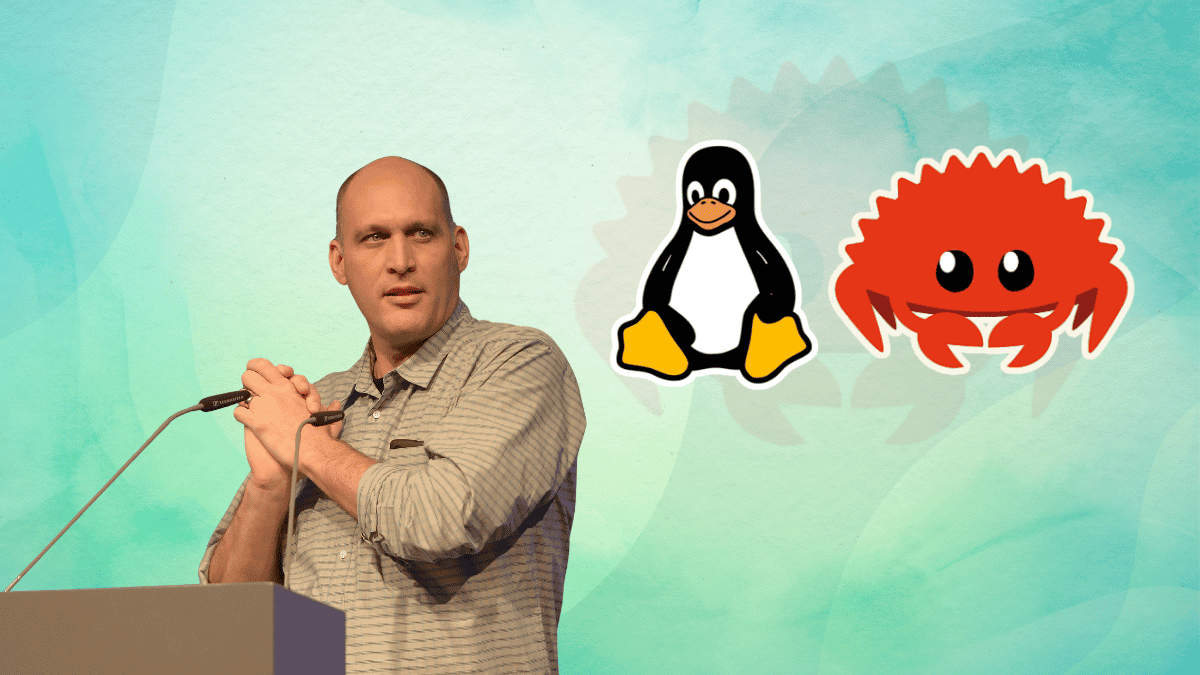
The murmur around KernelScript, a new programming language for kernel customization and application optimizations, is starting to gain traction, and for good reason. At the Linux Foundation’s Open-Source Summit in Minnesota, Cong Wang of Multikernel Technologies presented the beta project, which aims to cut through the complexity of existing methods for extending the Linux kernel and developing eBPF programs.
Let’s get this straight: eBPF (extended Berkeley Packet Filter) is powerful. It allows for deep introspection and manipulation of the Linux kernel at runtime without altering kernel source code. Think networking, security monitoring, and performance analysis—all in a safe, sandboxed environment. The catch? Developing these programs, typically in C, is notoriously difficult. It’s verbose, error-prone, and demands a deep understanding of kernel internals. Wang himself put it bluntly: eBPF is “miserable to write.”
This is where KernelScript enters the fray. Its core proposition is to abstract away much of that misery. The language is designed to emit type-safe C code for eBPF, user-space applications, and even kernel modules. The goal is unification – a single language to span these distinct development domains, reducing the cognitive load and the potential for bugs that plague developers wrestling with raw C or even Rust in this space.
Is KernelScript Truly a Better Way to Code for the Kernel?
Comparison is key here. KernelScript doesn’t just position itself as a C replacement; it aims higher. It claims superiority over Rust for eBPF development—a bold statement given Rust’s strong safety guarantees and growing adoption in systems programming. It also asserts greater versatility than bpftrace, a popular high-level tracing tool. The promise is a language that’s not only easier to learn and use but also more capable. If Multikernel Technologies can deliver on this, it could significantly lower the barrier to entry for a whole class of kernel-level development.
However, we’re talking about a beta project. The initial presentation and code on GitHub are just the starting line. The real test will be adoption, community engagement, and the language’s ability to mature into a stable, reliable tool that can withstand the rigors of production environments. The theoretical elegance of a unified, type-safe language is compelling, but its practical implementation and long-term viability are what will ultimately determine its impact.
One cannot help but draw parallels to the evolution of other complex systems programming domains. We saw similar efforts to abstract away low-level details in areas like graphics programming and database query languages. The success of those initiatives often hinged on finding the right balance between abstraction and control, and on building a strong ecosystem. KernelScript has a long road ahead to prove it can achieve that equilibrium.
The company argues that KernelScript, by emitting C code, maintains compatibility and performance. This is a smart strategy; instead of trying to replace the entire Linux toolchain, it plugs into it. The output is something the kernel already understands. The innovation is in the input—the KernelScript itself.
Why Does This Matter for Developers?
For developers already deep in the Linux ecosystem, KernelScript could mean less time debugging memory errors and more time building functionality. For newcomers, it offers a potentially more approachable entry point into advanced kernel programming. The implications extend to system administrators and security professionals who rely on eBPF for operational visibility and threat detection. A simpler development cycle means faster iteration on tools and a more dynamic response to emerging security threats.
The presentation assets from OSS 2026 are available for those who want to dig deeper into the technical specifications. The code repository on GitHub is the place to track its development and, perhaps, contribute. It’s early days, but the ambition behind KernelScript is undeniable. It addresses a genuine pain point in a critical area of open-source software development.
🧬 Related Insights
- Read more: AI Openwashing? New Tool Fights Back
- Read more: Kubernetes Health Probes: Livez vs. Readyz Explained