Your tax euros just got a fighting chance against Microsoft bills.
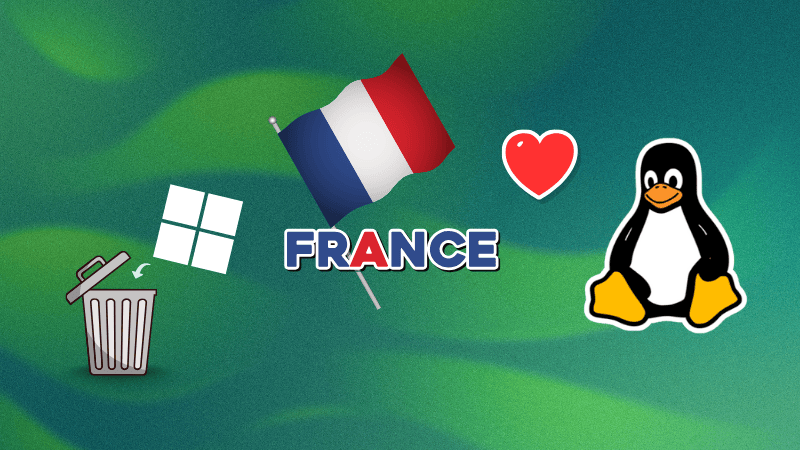
France’s government desktops switching to Linux? That’s not some tech bro dream—it’s real, and for everyday civil servants staring at screens all day, it means ditching Windows crashes, forced updates at midnight, and that creepy telemetry Microsoft swears isn’t spying. Twenty years covering this circus, I’ve seen promises fizzle, but this feels different.
Look, French workers in ministries—those folks processing your benefits claims or issuing passports—won’t notice the world ending. Linux desktops run just fine; hell, I’ve got one. But the real juice? No more licensing fees bleeding public budgets dry. Billions saved over time, maybe funneled to schools or roads instead.
Why Now? Sovereignty or Just Euro Flexing?
France isn’t alone in this grudge match against U.S. tech giants. Remember the seminar? DINUM, ANSSI, all those acronyms huddled up on April 8, plotting the exodus. Workstations first, then collaboration tools, AI, even antivirus. Every ministry must cough up a “non-European software reduction plan” by autumn 2026. Ambitious? Sure. Doable? We’ll see.
Here’s the quote that had me chuckling—Minister Anne Le Hénanff, all fired up:
Digital sovereignty is not optional — it is a strategic necessity. Europe must equip itself with the means to match its ambitions, and France is leading by example by accelerating the shift to sovereign, interoperable, and sustainable solutions.
By reducing our dependence on non-European solutions, the State sends a clear message: that of a public authority taking back control of its technological choices in service of its digital sovereignty.
Nice words. But who’s pocketing the cash? Not Ballmer’s ghost—open source is free, after all. Private sector coalitions? Yeah, French firms like those behind Visio (their Teams killer) stand to feast.
CNAM’s already herding 80,000 agents to Tchap messaging, Visio calls, France transfert files. Health data platform goes sovereign by 2026. It’s a cascade.
Will France’s Linux Gamble Crash Like Munich’s?
And here’s my unique scoop—the ghost no one mentions: Munich’s LiMux debacle. Back in 2003, they ditched Windows for Linux on 15,000 city desktops. Saved millions, users loved it… until politics flipped. By 2017, back to Windows amid complaints. Cost? Double the savings lost.
France knows this history—DINUM’s coordinating coalitions, Open Interop standards locked in. No solo ministry heroism; it’s enforced across the board. Prediction: They’ll pull it off because Macron’s crew ties it to EU ambitions, not local votes. If it works, Germany, Italy follow by 2030. Microsoft? Starts offering “sovereign clouds” at premium.
But cynicism check—who profits? Not just taxpayers. Homegrown vendors get fat contracts; expect lobbying wars. Interoperability? Open Buro sounds great, until proprietary plugins sneak back.
Short para for punch: Watch June 2026’s “Industrial Digital Meetings.” That’s make-or-break.
Visio’s no slouch—MIT-licensed, tested on 40,000 users pre-mandate. La Suite Numérique’s rolling strong. Unlike Zoom/Teams lock-in, this breathes open standards.
Skeptical vet take: Good for devs. More government Linux traction means enterprise distros like Ubuntu or Fedora polish up. Who makes money? Red Hat (IBM), Canonical. Silicon Valley? Crickets, unless they pivot.
Why Does France’s Linux Move Matter for Developers?
Devs, your OSS resumes just got a boost. Governments mandating Linux? That’s enterprise gold—stable funding for kernels, desktops (GNOME? KDE?). France’s plan hits databases, virt, networks. Interop standards? Bye, vendor silos.
Real talk: I’ve grilled execs who’ve botched migrations. User training’s the killer—Windows addicts balk at CLI. But France pilots smart; no big bang.
Broader ripple? EU’s chafing at U.S. clouds post-Snowden, TikTok bans. This accelerates.
One long weave: Picture a ministry drone—emails via Tchap (secure, French servers), calls on Visio (no Zoom data hoover), files via France transfert (GDPR pure)—all interoperable, no Big Tech middleman skimming data for ads; it’s sustainable because open source evolves with community patches, not vendor roadmaps that ghost features you paid for, and crucially, when Russia or China tensions spike, France controls its stack—no backdoors courtesy of NSA warrants.
🧬 Related Insights
- Read more: Wayland’s Long-Awaited Session Savior: xdg-session-management Finally Merges After 6 Years
- Read more: React Breaks Free from Meta: Foundation Launch Signals Open Source Power Shift
Frequently Asked Questions
What is France’s plan to replace Windows with Linux?
DINUM’s leading an interministerial push: Linux on workstations, sovereign tools everywhere by 2026-27. Ministries submit reduction plans autumn 2026.
Will France’s Linux switch save taxpayer money?
Likely yes—Linux’s free, no licenses. But migration costs upfront; Munich saved millions net before reversing.
Is France ditching all Microsoft software?
Not overnight—focus on desktops, collab, AI. Coalitions with private sector for alternatives.