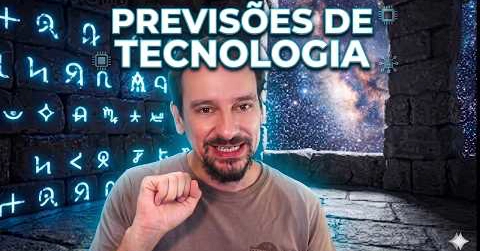
The holographic display flickers, projecting a hyper-realistic molecular model. Hands, clad in haptic gloves, reach out, manipulating the structure. This isn’t a scene from a sci-fi flick; it’s the potential frontline of learning and collaboration just two years from now, a future that writer Marcelo Cabral provocatively posits might just arrive in earnest by 2026.
Cabral, in his recent online musings, is pushing back against the ambient optimism that often surrounds tech predictions. He’s not just talking about incremental upgrades; he’s talking about what could fundamentally “turn our lives upside down.” And while the specific year might be a provocation, the underlying forces he identifies—generative AI, augmented and virtual reality, genomic medicine, and green tech—are undeniably gaining momentum.
Is Generative AI Really Going ‘Underneath It All’?
The common perception of generative AI often stops at ChatGPT, a sophisticated chatbot for now. But Cabral sees a much deeper integration. Think beyond chatbots and content creation; picture AI subtly woven into the fabric of productivity tools, optimizing workflows we barely notice. This isn’t just about automation; it’s about shifting human effort toward genuinely creative and strategic endeavors. The architectural shift here is from reactive tools to proactive, embedded intelligence, anticipating needs and streamlining processes before we even articulate them.
It’s the quiet revolution: AI that doesn’t just answer questions, but actively shapes the questions we ask and the problems we solve. The potential for this pervasive intelligence to become an invisible co-pilot across industries—from software development to scientific research—is what truly warrants attention.
The Immersion Equation: Beyond Gaming
Augmented and virtual reality have been teetering on the edge of mainstream adoption for years. Cabral suggests 2026 could be the inflection point. This isn’t just about more convincing video games. Imagine medical students performing complex surgery in a simulated environment, or remote teams collaborating in virtual meeting rooms that replicate the nuance of face-to-face interaction. The key will be the democratization of access—more affordable, user-friendly devices—and the development of applications that offer tangible value beyond entertainment.
The architectural implication lies in how we will interact with digital information. Instead of flat screens and keyboards, we might be engaging with data spatially, creating a more intuitive and powerful form of interaction. This move towards spatial computing, while still nascent, has the potential to redefine how we learn, work, and socialize.
Medicine’s Personal Revolution
Genomic medicine and real-time health monitoring wearables represent a profound shift toward personalized healthcare. The ability to tailor treatments based on an individual’s genetic makeup and monitor their health continuously offers a glimpse into a future where preventative care is paramount, and reactive treatment is reserved for exceptions. The architectural leap is from a one-size-fits-all approach to a hyper-individualized, data-driven model of wellness.
This isn’t just about detecting disease earlier; it’s about understanding the unique biological blueprint of each person and using that knowledge to optimize their health proactively. The convergence of advanced diagnostics, wearable tech, and AI-driven analysis promises a future where health management is as personalized as a bespoke suit.
Tech’s Green Imperative
Sustainability is no longer an add-on; it’s a foundational requirement. Cabral rightly points out the immense role technology, particularly AI, can play in creating a more sustainable future. From optimizing energy grids and enhancing renewable energy efficiency to developing novel materials and smarter resource management, AI is poised to be a critical ally in the fight against climate change. The architectural shift is from technology as a source of environmental strain to technology as a primary enabler of ecological balance.
The drive towards more efficient, less resource-intensive technologies will likely fuel innovation in areas like edge computing, distributed energy systems, and circular economy models powered by intelligent systems.
The Human Element in an Automated World
Amidst these technological tidal waves, Cabral’s emphasis on adaptability, continuous learning, critical thinking, and distinctly human skills resonates deeply. It’s a necessary counterpoint to the breathless excitement often surrounding new tech. The real question isn’t just if these technologies will arrive, but how we, as individuals and as a society, will navigate their integration.
“Nem tudo que é novo é bom, ou serve pra todo mundo. Eu sempre paro pra pensar no impacto real e na ética por trás das ferramentas. É importante questionar e não só aceitar o que aparece.”
This critical perspective is vital. As AI becomes more sophisticated and AR/VR more immersive, the ethical considerations—data privacy, algorithmic bias, the potential for digital divides—will become even more pressing. The future isn’t just about what technology can do, but what we allow it to do, and how we ensure it serves humanity equitably.
What’s Next?
Cabral’s call to action—to engage, question, and adapt—is perhaps the most important takeaway. The predictions for 2026 serve as a potent reminder that the future isn’t passively arriving; it’s being built, byte by byte, innovation by innovation. The question for developers, enterprises, and everyday users alike is how deeply we’ll engage with the underlying architecture of these shifts and what role we’ll play in shaping them.
🧬 Related Insights
- Read more: Selenium’s Future: Beyond Browser Tests
- Read more: FOSS Force’s March 2026 Blockbusters: Kernel Extensions, Distro Rebellions, and a Browser That Doesn’t Spy
Frequently Asked Questions
What does generative AI actually do beyond chatbots?
Generative AI can create a wide range of content, including text, images, music, and code. Beyond chatbots like ChatGPT, it’s being integrated into tools for drug discovery, software development, hyper-personalized marketing, and even generating synthetic data for training other AI models, fundamentally altering creative and analytical workflows.
Will AR and VR replace traditional screens soon?
While AR and VR offer immersive experiences, they’re unlikely to completely replace traditional screens in the immediate future. Instead, expect them to complement existing interfaces, offering new ways to interact with information, collaborate, and consume media, particularly in specialized professional and entertainment contexts.
How can I prepare for these tech changes?
Focus on continuous learning by exploring online courses and hands-on experimentation. Develop critical thinking skills to evaluate new technologies ethically and practically. Importantly, hone uniquely human abilities like creativity, complex problem-solving, and emotional intelligence, which remain indispensable even as AI advances.