Africa's AI Uprising: Can It Escape the Brussels Effect Grip?
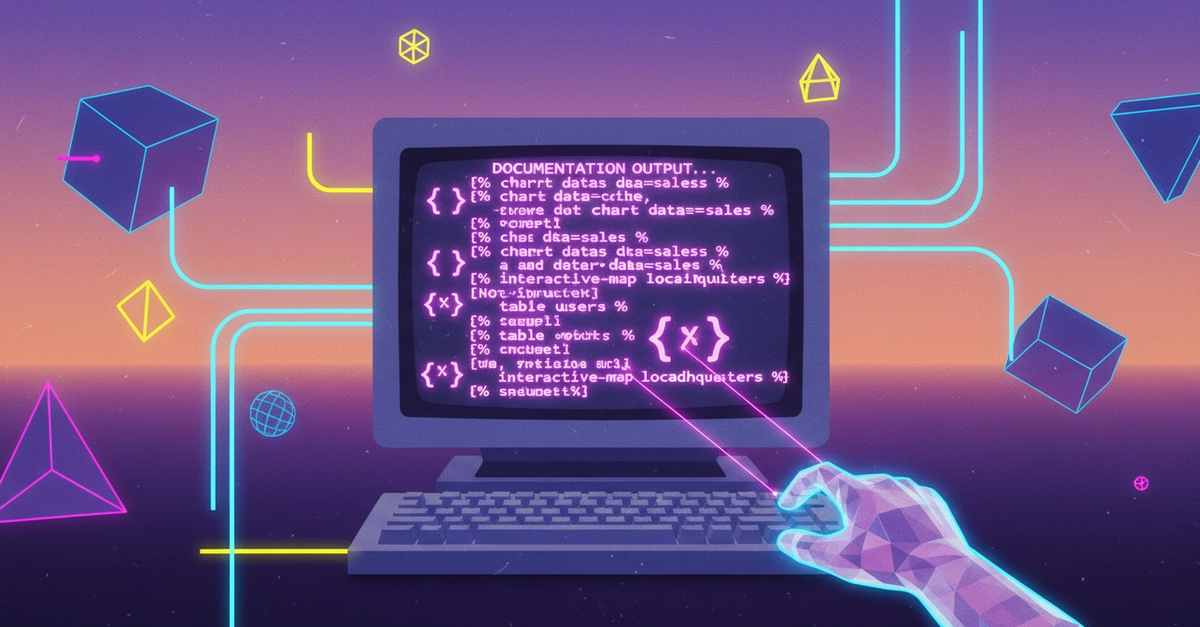
Imagine AI rules scripted in Brussels dictating tech in Accra. Africa's just fired back with its own playbook—will it stick?
Your Open Source morning briefing for April 09, 2026 — top stories you need to know.
Imagine AI rules scripted in Brussels dictating tech in Accra. Africa's just fired back with its own playbook—will it stick?
Imagine debugging cycles vanishing, tests writing themselves first, commits turning into gold-standard history. Claude Code's skill packs did that for me — and they're reshaping solo dev into a superpower.
Picture this: your OpenClaw agent, humming along on a critical task. Then – poof – context vanishes, tools go rogue, and hours of work evaporate. That's not bad luck. It's missing production agent architecture.
Everyone figured AI would just autocomplete your code. Nope—agentic coding is rewriting the rules, vaporizing ancient spaghetti and handing superpowers to solo devs. Buckle up.
Picture a swarm of AI agents autonomously tackling your toughest tasks—researching, coding, deciding— all humming efficiently on GKE. This isn't sci-fi; it's the new reality of scalable agentic AI.
Ideas hit like a torrent at 3:45 AM, fingers flying, but they're gone before you blink. AI's supercharging this 'Thought Waterfall' — here's why it's the future of creativity.
I've seen a thousand AI agent frameworks crash and burn on bad prompts. Skillware bets on code instead — and it might just stick.
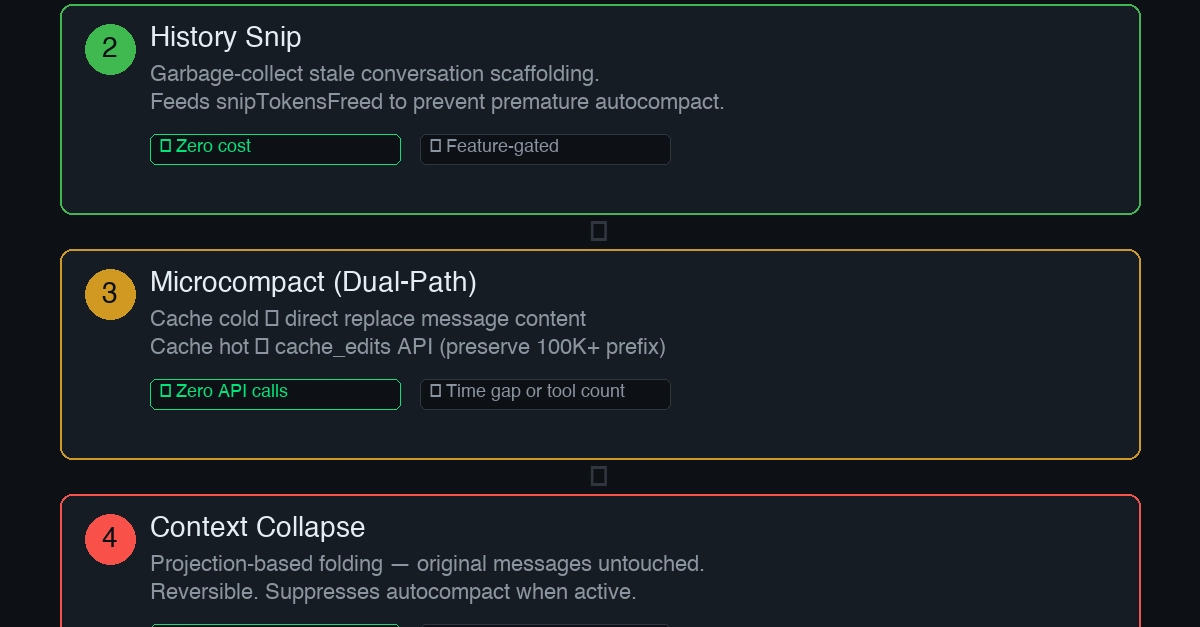
Claude Code's memory system bets big on simplicity—Markdown files over vector DBs. It's a middle finger to AI complexity, and it just might work.
Shopify launches are fireworks — bright, then fade. But what if AI agents kept the spark alive, automating the grind and freeing founders for growth? Baby Forest did it, reclaiming 15 hours a week.
Everyone braced for Anthropic's next Claude blockbuster. Instead: a bombshell admission—they built something too potent for public hands. Claude Mythos hunts bugs like no human ever could.
Hackers turned three obscure NPM packages into a credential-stealing monster that doesn't stop at theft—it bumps versions in your other packages and leaps to PyPI. Developers: check your tokens yesterday.
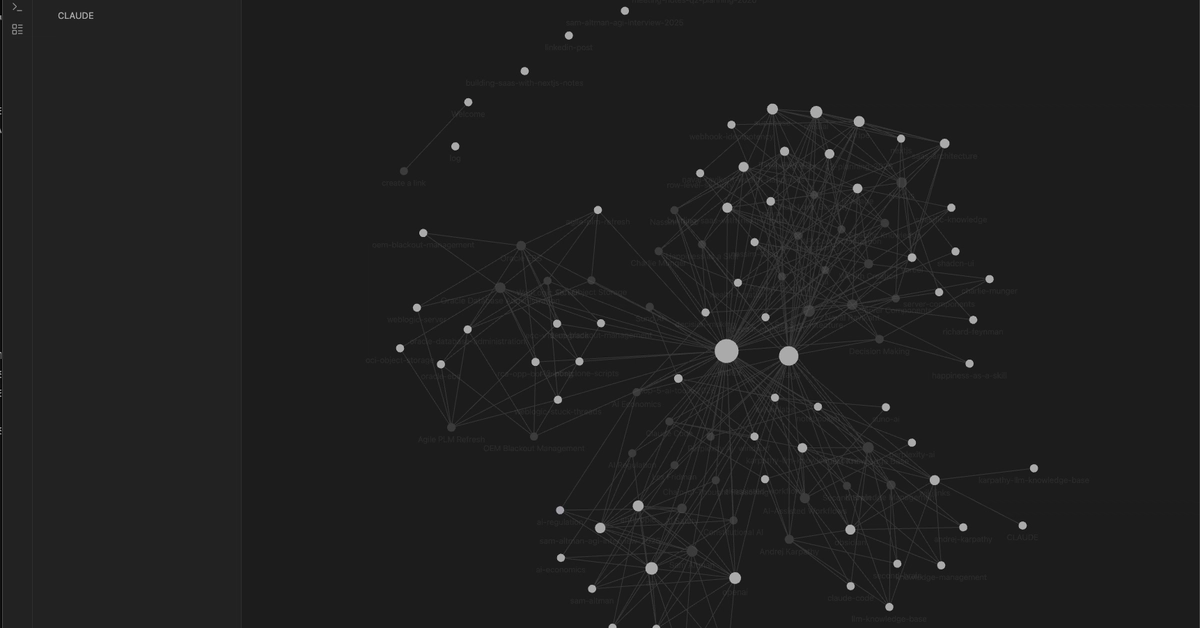
Imagine dumping 50 messy files into a folder, then watching Claude spin them into a hyperlinked knowledge web—44 pages strong, with 90% fewer tokens wasted. No databases needed.