Claude's Underground Prompt Hacks: I Tested 120 'Cheat Codes' That Flip Its Brain
Claude spits out fence-sitting drivel half the time. Slap on a 'cheat code' prefix, though, and it transforms — I've verified 120 that actually work, no hype.

Engineers aren't polishing prompts. They're treating AI like a junior dev: test, iterate, accumulate context. These patterns from real production use cut through the hype.
Forget the buzz. Every AI 'agent' or 'workflow'? It's all prompt engineering in disguise. One theorist's proof might just deflate the bubble.
Tired of babysitting AI prompts? Harness engineering turns models into self-correcting debug machines. But is it the savior or just more buzz?
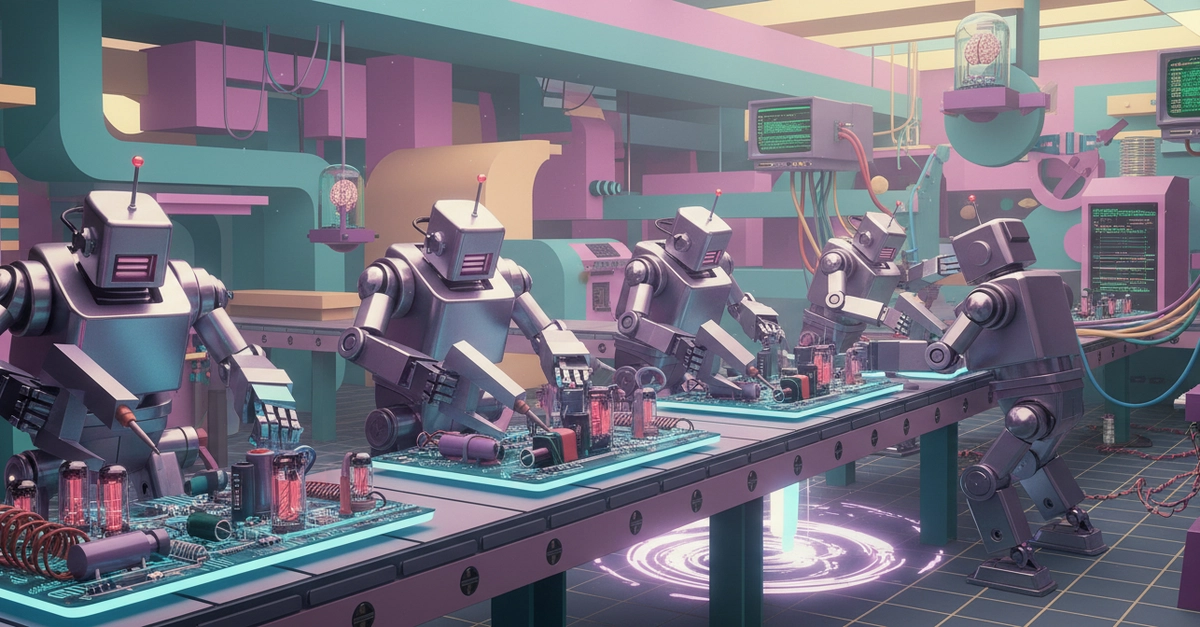
AI agents built on prompt pipelines handle simple tasks like champs. But throw in real complexity? They shatter. One dev's ORCA experiment aims to fix that with a surgical separation of brains and brawn.
Reorder your AI agent's instructions, and watch compliance jump 25%. That's not magic; it's the undiagnosed input problem everyone's missing.
Stuck tweaking prompts till 3 AM? 2026 turns that drudgery into automated infrastructure. But don't pop the champagne—it's still AI's house of cards.
Staring at a dev's blank Claude chat, no project context. That's why AI flops. Context engineering flips the script—your prompts become laser-guided.