Open Source Code Poisoned: Unprecedented Attack Spree
The bedrock of modern software is under siege. A relentless wave of code poisoning attacks is turning open source, the very engine of innovation, into a vector for widespread compromise.


Six minutes. That’s how long it took a relentless attacker to inject malicious code into 42 npm packages, a brazen display of how vulnerable our trusted open-source supply chains have become. TanStack is out with the nitty-gritty, and it’s not pretty.
A significant security incident has rocked the open-source password manager community. Bitwarden's command-line interface has been compromised, raising serious questions for millions of users.
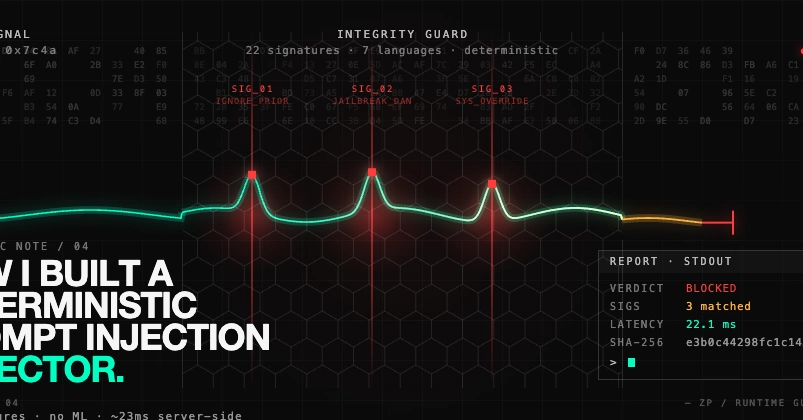
Everyone expected a machine learning solution for prompt injection. Instead, one developer opted for pure, unadulterated pattern matching, and it's blazing fast.
So, your meticulously crafted open-source project, the one millions of devs rely on, just got hijacked to swipe credentials. Forget bug fixes for a second; this is about trust.
NVIDIA engineer Sasha Levin has proposed a 'kill switch' for the Linux kernel, aiming to quickly disable vulnerable functions. While promising a rapid mitigation for exploit risks, it raises serious questions about system stability and the nature of security patching.
Imagine finding a gaping security hole in Node.js — the backbone of millions of apps — only to get a pat on the back instead of a paycheck. That's the new reality as the project's bug bounty program grinds to a halt.
Open source maintainers are drowning in bugs — now Big Tech's dropping $100M in AI firepower to save them. Project Glasswing promises patches at scale, but skeptics wonder if it'll deliver.
Another day, another supply chain scare rippling through open source. GitHub's touting fixes for Actions workflows and npm malware, but who's really winning here?
Mark Russinovich feeds vintage Apple II binary to an AI. It labels the code, explains the logic, spots a sneaky bug. Open source suddenly looks like the only sane bet.
Docker's decision to open-source Hardened Images changes the security game for containerized applications. Here's what you need to know.
TeamPCP just demonstrated something terrifying: a worm that doesn't need human help to spread through open source ecosystems. It compromised npm tokens, poisoned packages, and used blockchain to stay untouchable.