Lynx Framework: A Glimpse at the Future of Open Source AI
The Lynx framework isn't just another AI tool; it's a potent signal of where open source is heading. This isn't about incremental updates; it's about a fundamental platform shift.

One developer's journey from React to gradients. They ditched the passive watch for active building, and the math finally clicked.
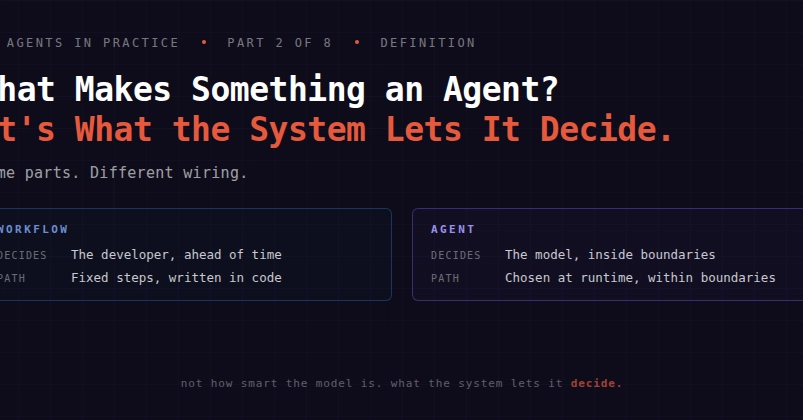
The AI agent isn't the magic black box. It's the carefully orchestrated dance of observation, decision, and action. This deep dive unpacks the underlying architecture.
The PyTorch community just flexed, delivering a massive haul of documentation improvements. Over 150 pull requests merged in their latest Docathon signals a vibrant, engaged open-source ecosystem.
Forget the jargon. We're breaking down the fundamental AI terms that are reshaping our digital world, using analogies that actually make sense.
PyTorch is finally getting serious about the edge. Arm's new ExecuTorch labs aim to make it a reality, even on tiny microcontrollers.
The quiet hum of sensors in the woods is amplifying into a roar of data, fundamentally altering how we monitor our planet's lungs. This isn't just about smarter trees; it's about a revolution in environmental intelligence.
Kubernetes v1.36 is a quiet win for batch and ML workloads, finally letting admins tweak pod resources on suspended Jobs. This moves a critical management capability out of alpha and into beta.
A comprehensive comparison of the three dominant open source AI frameworks covering research workflows, production deployment, performance optimization, and ecosystem maturity.
Open-weight AI models have transformed the landscape of machine learning. From Meta's Llama to Mistral's efficient models, open AI is reshaping who can build with and benefit from artificial intelligence.