Docker's Card Game Arcade Is Absurd. It's Also Brilliantly Honest About Security Training.
Someone at Docker just built a blackjack game to teach container security. It sounds ridiculous. That's exactly the point.

A new tool promises to streamline how developers share their projects. But standardizing the messy, human act of shipping something real might be solving the wrong problem entirely.
One developer got tired of checking whether their training scripts crashed or finished. So they built GuGa Nexus—a stunningly simple way to get phone alerts when long-running terminal commands complete, with encrypted end-to-end messaging and no setup hell.
Your Claude.md file telling AI to 'never interpolate SQL' is just a suggestion. Here's how one developer turned good intentions into mechanical guarantees that actually catch mistakes.
Product decisions live in Linear. Design lives in Figma. Code lives in git. What happens when you need to answer a question that touches all three? Spoiler: it's broken. Here's how a pair of open-source tools is fixing it.
Sometimes the smartest engineering decision is saying no to frameworks. Optistream proved that vanilla JavaScript can outperform bloated solutions—and stay maintainable.
MCP promised to bridge AI agents and real systems. Instead, it became a token-eating monster. A smarter approach—programmatic tool calling with sandboxes—finally fixes it.
Someone built a web app specifically designed to be impossible to use. It's chaos wrapped in JavaScript, and it's somehow the most fun thing you'll hate.
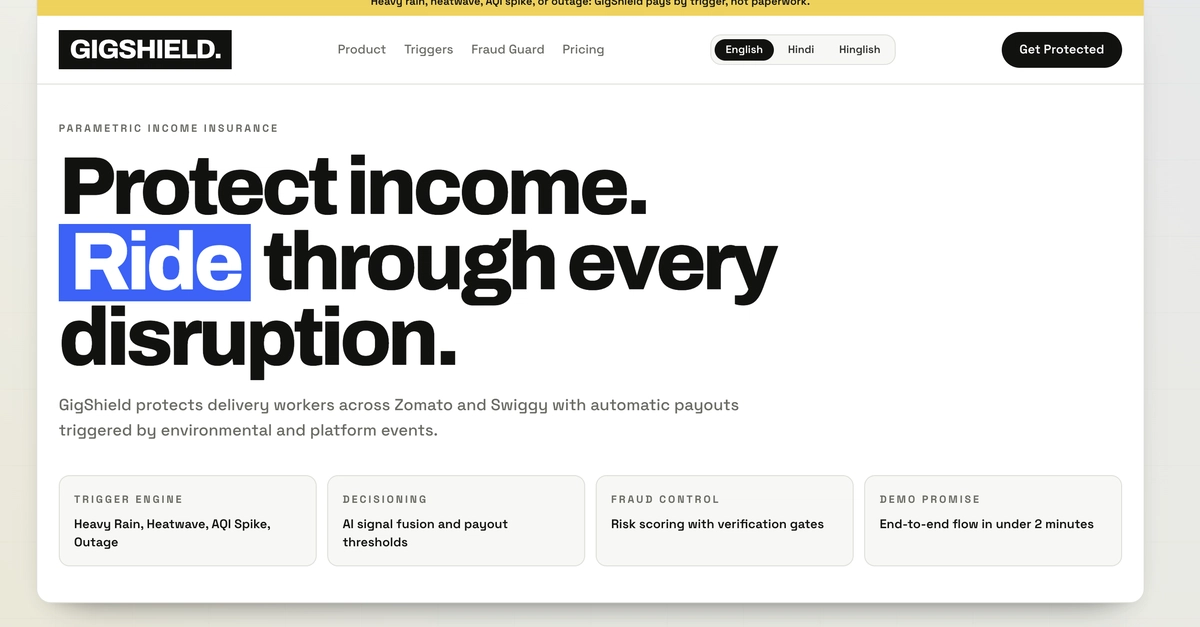
A developer built GigShield to solve a problem traditional insurance ignores: gig workers need payouts in minutes, not weeks. Here's how parametric protection and frontend-first logic change the game.
Salesforce admins spend hours digging through metadata to answer simple questions. Agentforce Vibes promises to slash that time dramatically—if you know what to ask and what to trust.
Progression curves aren't about numbers—they're about perception. Here's how designers hide complexity to create the illusion of fairness.
ByteDance just shipped a watershed moment for micro-frontends: Module Federation 2.0 decouples from webpack entirely, adds dynamic TypeScript hints, and runs on seven bundlers. But is the industry actually ready to ditch monorepos?