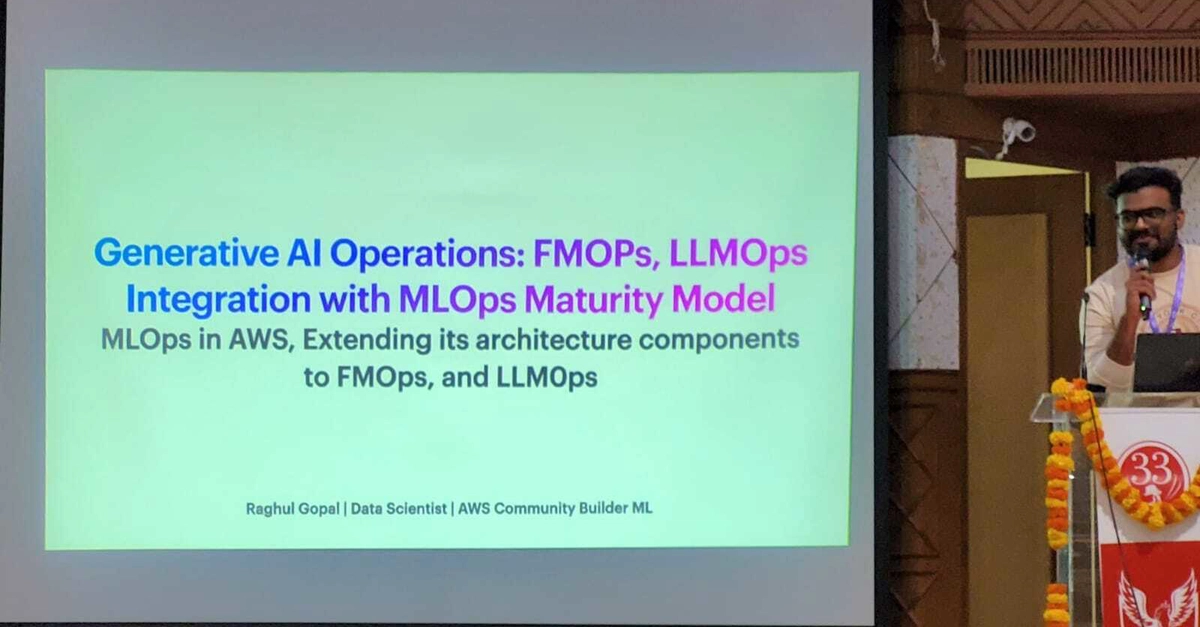
MLOps to LLMOps: Why AWS Teams Are Still Fumbling Production AI
AWS gives you the tools. But are you actually using them right in production? A hard look at why most AI teams skip the operational fundamentals.

user_data is infrastructure's unsung workhorse—it automates EC2 setup in three lines of bash. But there's a catch that catches everyone.
It's 2 AM. Your phone buzzes. Everything's fine. Again. Alert fatigue isn't just annoying—it's a slow poison that kills team reliability and engineer wellbeing.
Someone just built a productivity timer that's actually a mirror held up to the economics of AI agents working on a budget. It's useless, it's meta, and it costs $0.05 per minute to run—which is exactly the point.

A developer got tired of staring at a number in the Azure Portal at 2 AM. So they built ServiceHub—a free debugging tool that actually shows you what went wrong in your Service Bus queues.
Sarah clicked a fake Slack link at midnight. By morning, her company's entire infrastructure was compromised. Phishing isn't getting worse—it's getting smarter, and the defenses are barely keeping up.
The first time an engineer sits down with an AI tool, something primal happens: resistance. Not because the tool is bad, but because the way it arrives—top-down, measured, mandatory—triggers the exact opposite of what leadership wants.
Firecrawl scrapes the web flawlessly — until it doesn't. rs-trafilatura fixes that, delivering structured intel with confidence scores no other tool matches.
Picture this: your dashcam doesn't hoard video; it spits out 200-byte Sparks of pure insight. AisthOS, the Perception OS, compiles the world upward—bypassing AI's brutal data bottlenecks.
Another webinar promises to turn you into a full-stack wizard overnight. But as a 20-year Valley vet, I've seen this script before—let's cut through the spin.
Independent FOSS journalism is drowning in plain sight. FOSS Force's April fundraiser—needing $34 daily to survive—exposes a systemic problem that threatens the entire tech media ecosystem.
A new open-source pattern shows how to build transcription bots that join video calls as silent observers and stream speaker-identified transcripts in real-time. The latency gap between this approach and traditional APIs just became impossible to ignore.
A voice agent on AWS Bedrock AgentCore Runtime racked up $29 in NAT Gateway charges in six days—almost entirely from invisible S3 traffic. Here's what actually happened, and why your VPC setup is probably vulnerable to the same surprise.
Your Turso database client is keeping your old server alive. Nodemon can't restart it. Here's the surgical fix that actually works.
NVIDIA just dropped support for its beefy new DGX Station in Docker Model Runner. Translation: you can now run frontier AI models locally without touching a cloud API—and actually get your work done without learning new tools.
Three friends with no game development experience shipped a multiplayer party game in under a year using visual scripting instead of code. They're proving that the biggest barrier to game development isn't technical skill—it's scope creep.
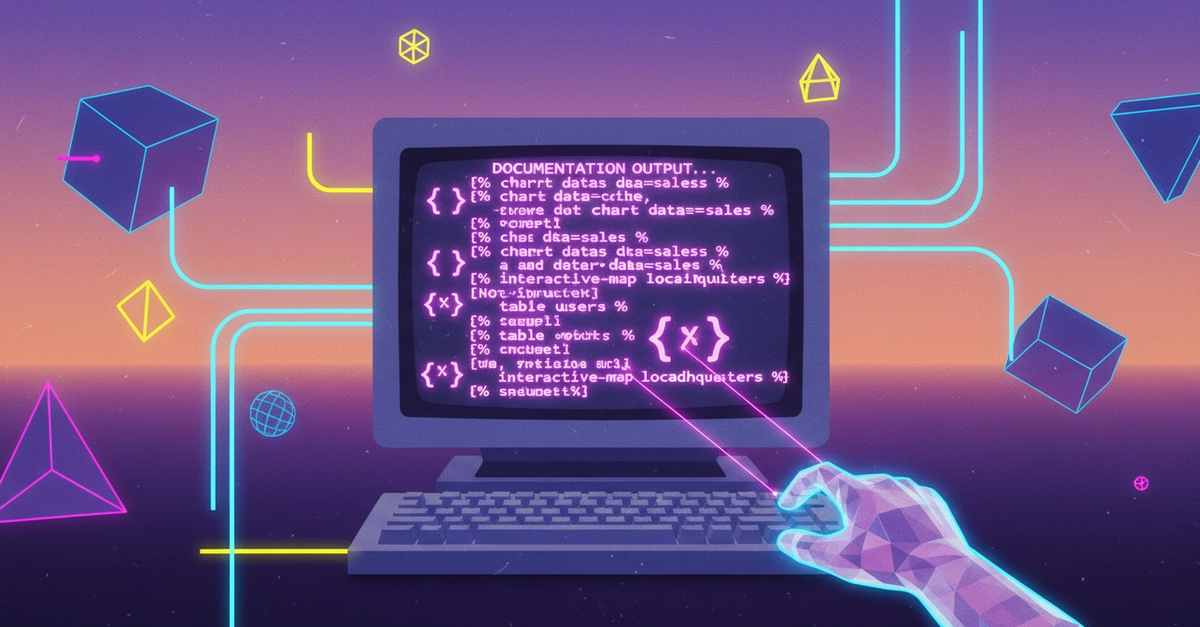
Every AI chatbot hits the same wall: LLMs produce markdown beautifully, but the moment you need a chart or form, your streaming experience dies. One developer built mdocUI to fix this—and the solution is deceptively elegant.
You can spend months studying Azure SQL features and still bomb the DP-300 exam. Here's why—and what separates candidates who pass from those who don't.
The fashion industry is experiencing a technical revolution. Designers are writing garment code. Factories are becoming smart nodes. And $500 billion in annual waste is about to get very inefficient.
A developer just launched a 404 error page that actively sabotages your experience the more you visit it. It's a masterclass in purposeful uselessness—and honestly, it might be the most fun thing on the internet right now.