Tiny Linux Giants: The Base Images Shrinking Your Container Empire
Ever wondered why your containers guzzle gigabytes while others fly lean? These five lightweight Linux distros are rewriting the rules of efficient, secure containerization.
Amazon's new X DM integration for Connect sounds smart in theory: bring Twitter conversations into your contact center. But is this really about customer experience, or just another way to lock companies deeper into the AWS ecosystem?
I spent weeks benchmarking local language models on an RTX 5070 Ti. The results? A nine-billion-parameter model from Alibaba demolished larger competitors—and it's not because bigger is always better. Here's what I found.
You don't need a data center to run capable AI agents. A mid-range consumer GPU and $300–$500 gets you private, low-latency inference without the API tax.
A Citrix NetScaler vulnerability is being actively exploited just four days after disclosure—and the company's initial security bulletin downplayed what researchers found: not one bug, but two memory leaks that can dump admin credentials.
Running code through a single AI model feels smart—until it confidently flags something that isn't broken, or misses a real bug hiding in plain sight. One engineer ran both approaches on production code. The difference was striking.
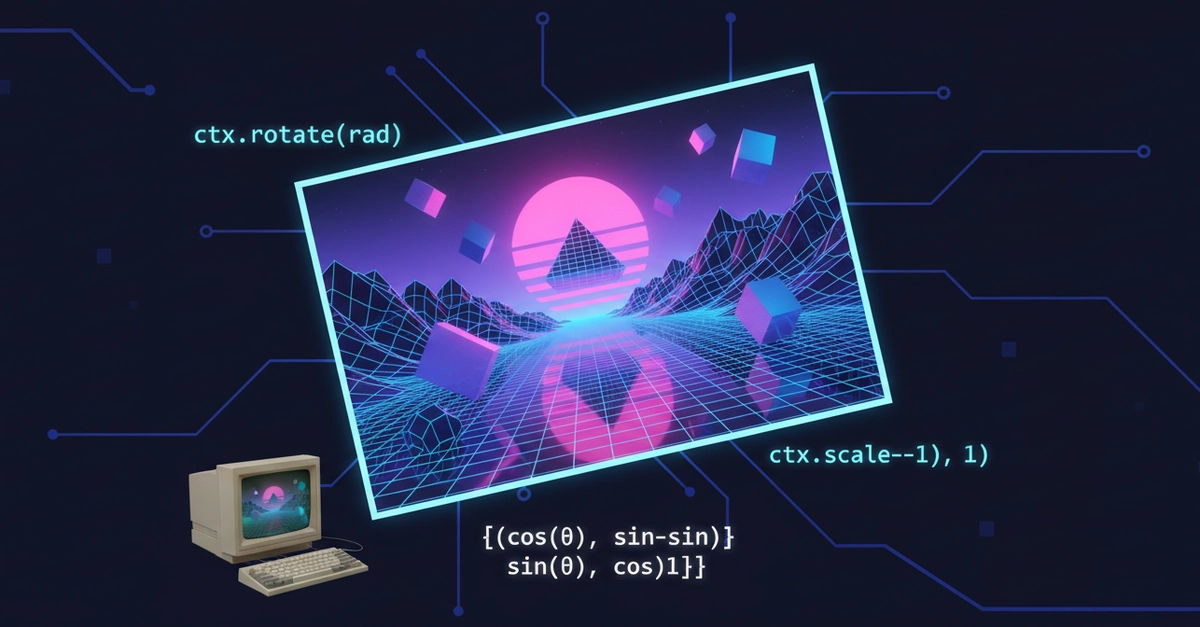
Rotating an image in the browser sounds simple until you realize the canvas needs to resize dynamically, handle arbitrary angles, and layer flips on top. Here's the math—and the shortcuts—that make it work.
The MIT report is damning: 95% of generative AI projects flop. But here's what nobody tells you—we're not failing because we lack talent or compute power. We're failing because we're using a 30-year-old playbook designed for certainty to build systems built on probability.
A developer built a multilingual financial calculator that works for both humans and machines. The secret? Treating AI crawlers like first-class users, not afterthoughts.
Five months of "works on my machine." One Wednesday afternoon before a demo, the author finally containerized their Python environment—and discovered the real cost of invisible infrastructure.
Every fintech team writes the same validators over and over. finprim is a zero-dependency TypeScript library that bundles financial primitives—IBAN validation, card checks, currency formatting, loan calculations—with branded types that catch bugs at compile time.
Your build succeeded. Your deployment went live. Your system was quietly broken the whole time. Here's how two sneaky bugs in a Remotion Vercel setup turned a reliable video rendering pipeline into a silent failure machine—and why the real culprit was something developers overlook constantly.
Three screens glow in the dim office: one agent's scraping jobs via Exa, another's spawning shell commands on a virtual desktop. Which SDK survives real builds?
Martin Wimpress built Ubuntu MATE from a GNOME fork into an official Ubuntu staple. Now, after 12 years, he's out—citing lost passion and time—and calling for new blood.
Twenty years of covering tech taught me one thing: engineers love complex solutions to simple problems. But one team's gRPC meltdowns reveal something uncomfortable—sometimes the answer is to reject requests faster, not serve them slower.
Cross-chain swap volume just hit $56.1 billion in a month. If your Go microservice touches crypto, swap functionality isn't optional anymore—it's infrastructure.
One developer got tired of waiting 5 minutes for a research tool to query one source at a time. So they parallelized it. Here's what actually changed—and what didn't work before they got it right.
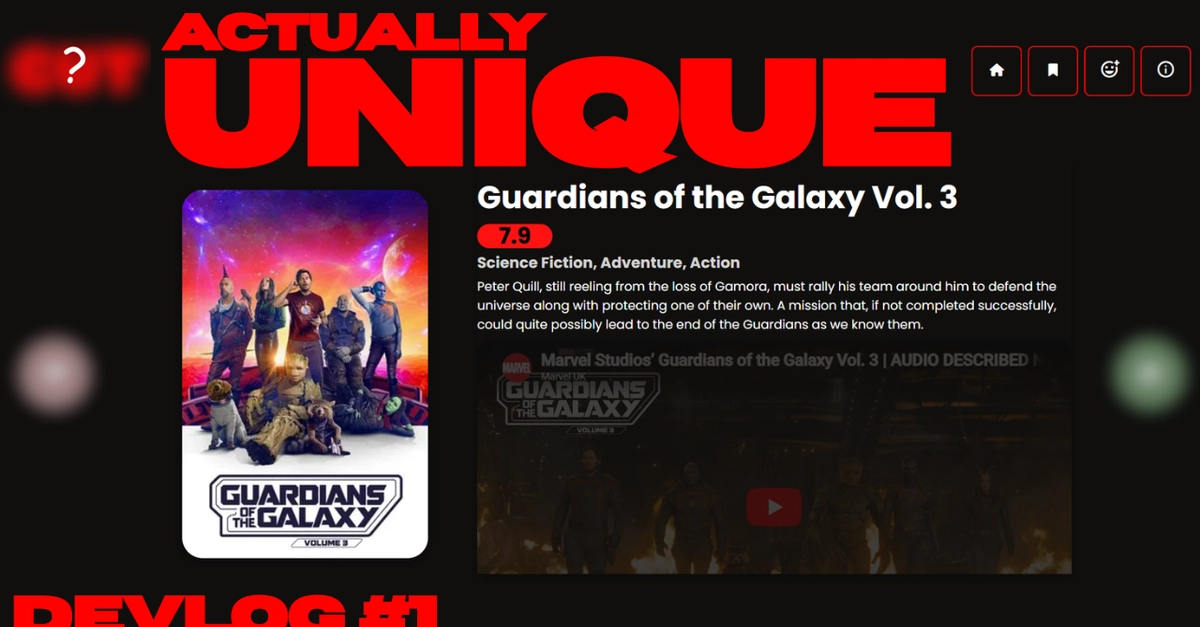
After escaping tutorial hell, one amateur developer built a movie discovery app that does something Netflix doesn't: let you filter by mood. Here's how they did it without a server.
Someone at Docker just built a blackjack game to teach container security. It sounds ridiculous. That's exactly the point.
When you scale from one AI assistant to 20+ agents spread across nine servers, communication becomes everything. Here's how one team ditched enterprise message queues and built something radically simpler.