AI Finally Tames Multi-Cloud Cost Chaos
Multi-cloud promised freedom. It delivered bill shock. AI-based multi-cloud cost and resource optimization changes that – if you get the loop right.
Retail traders chasing BTC gains while glued to charts? One dev's open-source bot experiment shows building your own algo is eye-opening—but no fast path to riches. Here's the data-driven breakdown.
Post-incident drudgery? GitLab's betting AI agents will end it. But in security, promises like this often crumble under real attacks.
AI agents promise coding magic, but one unchecked install can wreck your setup. Docker Sandboxes fix that—cheap, fast isolation without the VM hassle.
Dual-writes kill 70% of microservices deployments. Enter Transactional Outbox: save your sanity, one atomic insert at a time.
Distributing 130GB AI models to 200 GPU nodes? Traditional hubs choke on 26TB traffic. Dragonfly's P2P turns that nightmare into a 130GB breeze.
Dual write is killing your migration. Here's the pattern that actually works when the database you're retiring holds years of irreplaceable operational history and your business can't afford a single silent data loss.
A new TypeScript math library promises to end the madness of bloated dependencies. But does mathfuse actually solve a real problem, or is it just another wheel being reinvented?
A developer scraped 187 pages successfully, then hit a wall—the site updated robots.txt while the scraper ran. One lesson learned the hard way: checking robots.txt once isn't enough.
Building on Solana's frontend is cleaner than traditional web3, but the ecosystem moves fast and most tutorials don't show you how to ship real products. Here's what actually works.
You built an MCP App. The server returns data. The widget is still blank. Here's why—and how to fix it in five minutes.
npm audit passed the event-stream package 847 times before it stole cryptocurrency wallets. A new Rust-based scanner is changing how developers think about dependency safety.
Every startup starts with a free monitoring tool. Then reality hits. We broke down exactly what free website monitoring costs you in lost productivity, missed outages, and customer trust.
Building a cinematic portfolio in Flutter Web meant solving one brutal problem: checking distances between 100+ particles without tanking the framerate. The solution isn't new, but how it's implemented here—and why it matters for web developers—reveals something important about optimization thinking.
A security researcher just proved that Google's brand-new Gemma 4 model falls to the exact same jailbreak that broke Gemma 3—without changing a single word. And that's not a bug. It's a feature of how the entire industry is broken.
Nobody scanned OpenClaw's 46,000 skills for malice — until now. 14.5% failed, exposing credential theft, sneaky payloads, and agent chains that could hijack your AI.
Anthropic's safety obsession? Crumbled on a source map. One missing line handed rivals their crown jewels.
Picture this: Windows auto-tile like puzzle pieces, animations glide smooth as butter, and your Linux desktop hums with efficiency. Hyprland isn't just a window manager; it's your new productivity superpower.
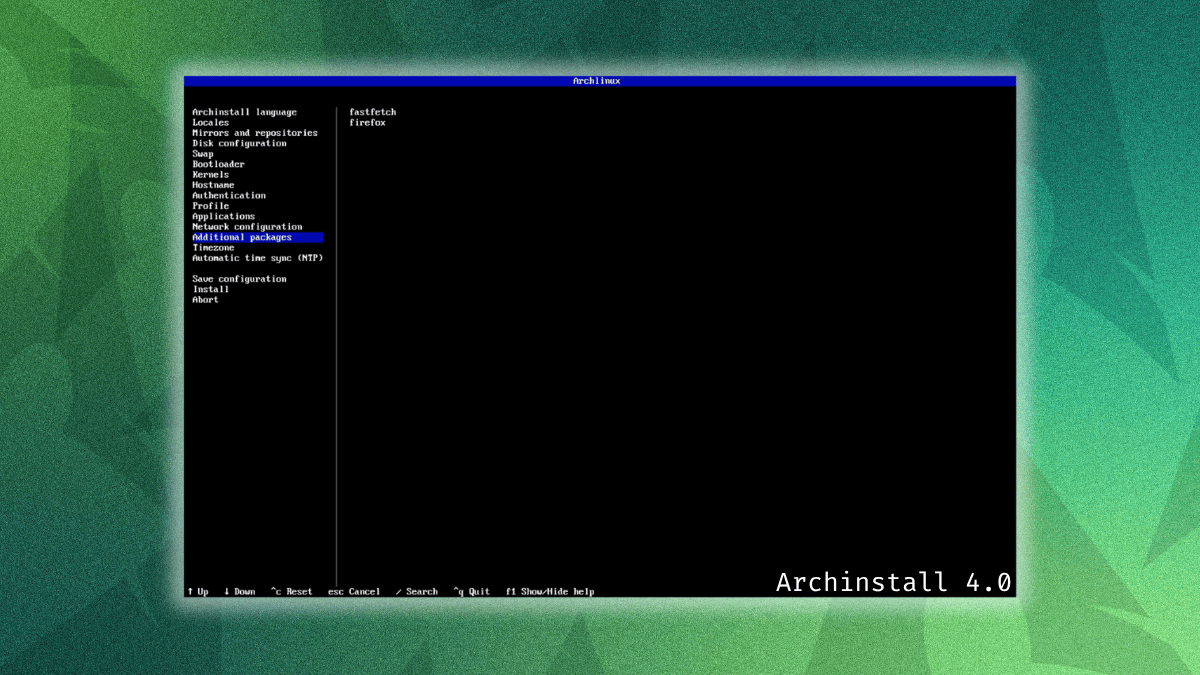
What if installing Arch Linux felt less like a ritual sacrifice and more like gliding into the future? Arch Installer 4.0 just made that real, swapping clunky curses for a vibrant Textual overhaul.
Crawl4AI's default Markdown output is solid, but rs-trafilatura? It classifies pages, scores quality, and extracts like a pro—lifting benchmarks from 0.893 to 0.910 F1. Here's how to plug it in.