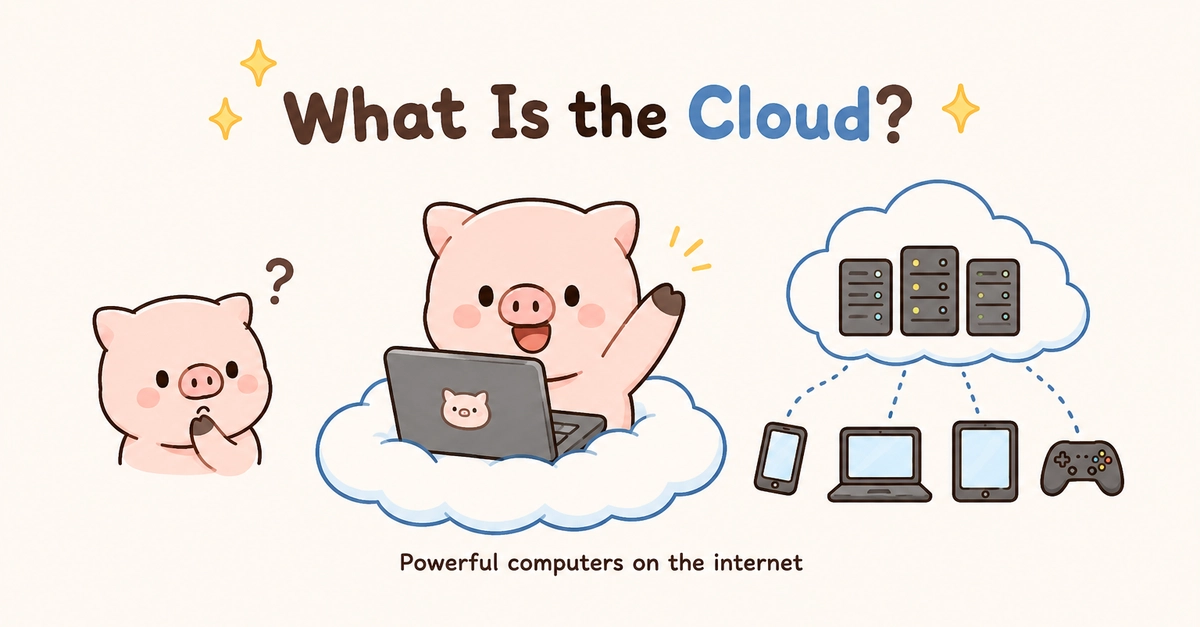
Let’s cut the fluff. The cloud isn’t some ethereal digital sky. It’s a way to use powerful computers that aren’t yours, via the internet. Simple as that.
Think about your phone’s dreaded “Storage Almost Full” alert. Painful. Especially when you’re trying to capture that once-in-a-lifetime blurry photo of your cat. That’s where the magic—or rather, the renting—begins.
Gone are the days of physically buying new hard drives or agonizing over deleting precious (read: random screenshots) data. Cloud services like Google Drive, iCloud, and Dropbox offer a digital storage unit for your digital junk drawer.
“Your house is full, so you rent a storage unit.” That’s basically the cloud.
That’s the gist. Instead of stuffing your device until it groans, you’re offloading it to a massive data center somewhere on Earth. It’s not complicated. It’s just convenient.
Why Does This Matter for Your Apps?
But the cloud is more than just a digital attic. It’s the engine. ChatGPT, Netflix, Instagram, Spotify—they all hum because of cloud computing. Your phone isn’t a supercomputer; it’s a messenger.
When you ask ChatGPT a question, your phone doesn’t perform the mind-bending AI calculations. Oh no. It sends the query, waits patiently while someone else’s massive computers do the heavy lifting (and probably heat up the room), and then beams the answer back. If your phone tried to run that AI model, it’d likely melt.
Netflix? Same deal. Your device doesn’t store the entire Marvel Cinematic Universe. It streams it. Your phone asks, the cloud delivers.
So, the cloud is a dual threat: a place to dump your files and a power-on-demand computing service.
The Business Angle: Renting is Cheaper Than Owning
For businesses, this isn’t just about convenience; it’s about sanity and cash flow. Remember the dark ages of IT? Buying servers, building server rooms, hiring folks to babysit blinking lights, and getting paged at 3 AM because a server decided to take a nap? Nightmare fuel.
Now? Companies ask, “Why buy when I can rent?” Enter Amazon Web Services, Microsoft Azure, and Google Cloud. They built the digital real estate empires, and businesses are lining up to lease.
Sure, engineers love to throw around terms like “virtualization” and “containers.” They sound impressive, like they’ve cracked the code to the universe. Don’t sweat it. For the rest of us, the core idea remains: someone else’s powerful computers, accessible through the internet. And frankly, understanding that basic concept puts you miles ahead of many.
Is the Cloud Risky?
It’s easy to think of cloud providers as impenetrable fortresses. They’re not. They’re huge, complex systems, and like any complex system, they’re targets. Data breaches happen. Outages occur. The promise of constant availability is just that—a promise, not a guarantee.
When you store your photos with a cloud provider, or when your favorite streaming service goes down because of a cloud hiccup, you’re reminded that you’re placing trust—and your data—in the hands of another entity. That’s the trade-off for convenience and scalability. You gain access to immense power, but you cede a degree of control.
🧬 Related Insights
- Read more: spm: Finally, an npm for AI Skills That Ditches Copy-Paste Hell
- Read more: GitLab’s Auto-Dismiss Policies Quiet the Vulnerability Storm
Frequently Asked Questions
What does the cloud actually do? The cloud lets you use powerful computers and store data over the internet, without owning the hardware yourself.
Is my data safe in the cloud? Cloud providers invest heavily in security, but data breaches and outages can still occur. It’s a shared responsibility model.
Will I ever need to buy a server again? For many personal and business uses, the cloud has made owning physical servers largely obsolete, though specialized needs may still require them.