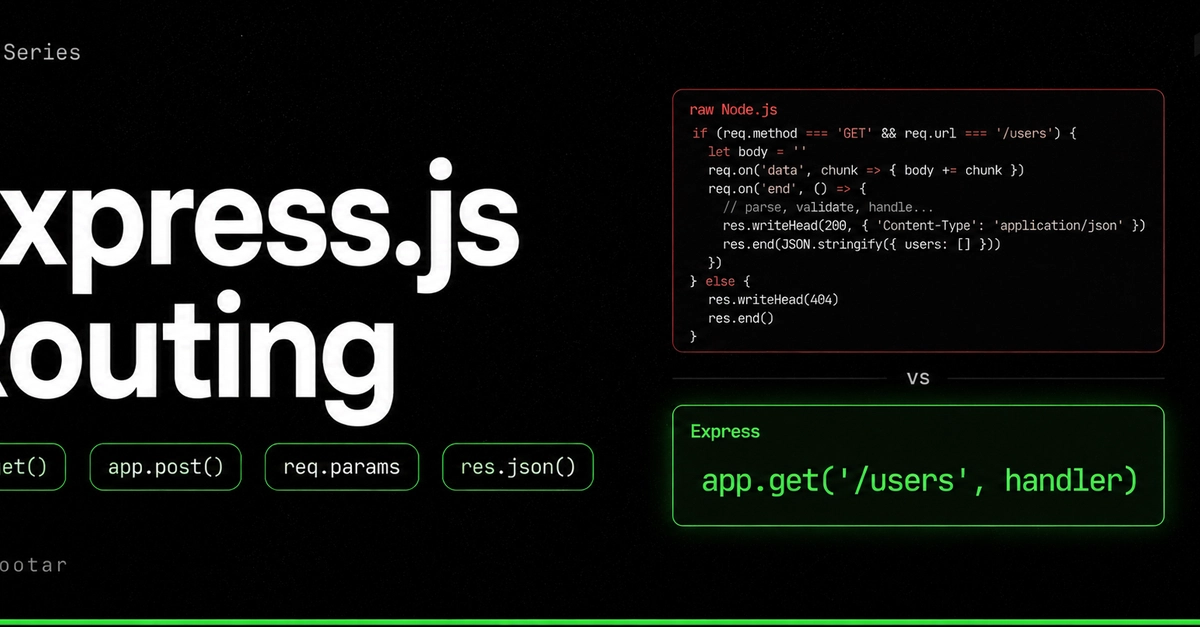
The gospel preached in countless coding bootcamps and university lectures often centers on the elegant, the optimized, the perfect line of code. Think meticulously named variables, logically sound, architecturally pristine systems. Everyone, it seemed, was aiming for a Platonic ideal of software.
But reality, as it often does, had other plans. The market, the users, the relentless march of production issues – they’ve begun to tell a different story.
This isn’t some sudden, nebulous trend. The underlying data is clear: feature adoption, uptime percentages, and bug resolution times are the true North Stars. The old guard’s obsession with ‘good code’ – often a subjective, academic exercise – is increasingly being sidelined by a singular, brutal metric: does it work?
Is Perfect Code Just a Distraction?
This shift fundamentally reorders engineering priorities. Focus is moving from theoretical perfection to practical efficacy. The engineers who are currently excelling aren’t necessarily the ones writing the most complex algorithms or the most aesthetically pleasing classes. They’re the ones building reliable systems, meticulously handling edge cases, and ensuring features actually solve the problems they were intended to.
What was once dismissed as “good enough”—simple, functional, and consistent—is now proving to be vastly more valuable than ‘clever’ code that collapses under pressure or becomes a maintenance nightmare.
Real projects taught me that if the feature does not solve the actual problem or fails in production, none of that matters.
This quote, from a seasoned engineer grappling with this paradigm shift, cuts to the chase. It’s a stark reminder that the ultimate purpose of software development is delivery and utility, not abstract aesthetic achievement. The ability to iterate, to deploy, and to remain operational—these are the new hallmarks of effective engineering.
The Cost of Premature Optimization
The obsession with ‘good code’ has often led to premature optimization and an undue emphasis on what’s often referred to as ‘code golf’ – writing the shortest, cleverest, or most complex solution for the sake of it. This can lead to codebases that are incredibly difficult for new team members to understand or maintain. The market simply doesn’t reward elegance when it impedes velocity.
Consider the financial implications. Teams bogged down by overly complex, ‘perfect’ code spend more time debugging, refactoring, and onboarding new developers. This directly impacts time-to-market for new features and increases operational overhead. The ‘cost’ of this perceived perfection is, in many cases, astronomical.
Instead, the focus is sharpening on understanding system flow, anticipating potential failures, and building resilience. This isn’t to say that code quality is irrelevant; far from it. But the definition of ‘quality’ is being recalibrated from subjective best practices to objective, measurable outcomes.
It’s a call to arms for pragmatism. The days of engineers polishing code like fine art are fading, replaced by the urgent, often messy, but ultimately more rewarding task of building software that truly serves its purpose. This is the new reality, and frankly, it’s about time.
And yes, the balance is still being learned. The human element—the learning curve, the occasional slip—remains. But the direction of travel is undeniable.