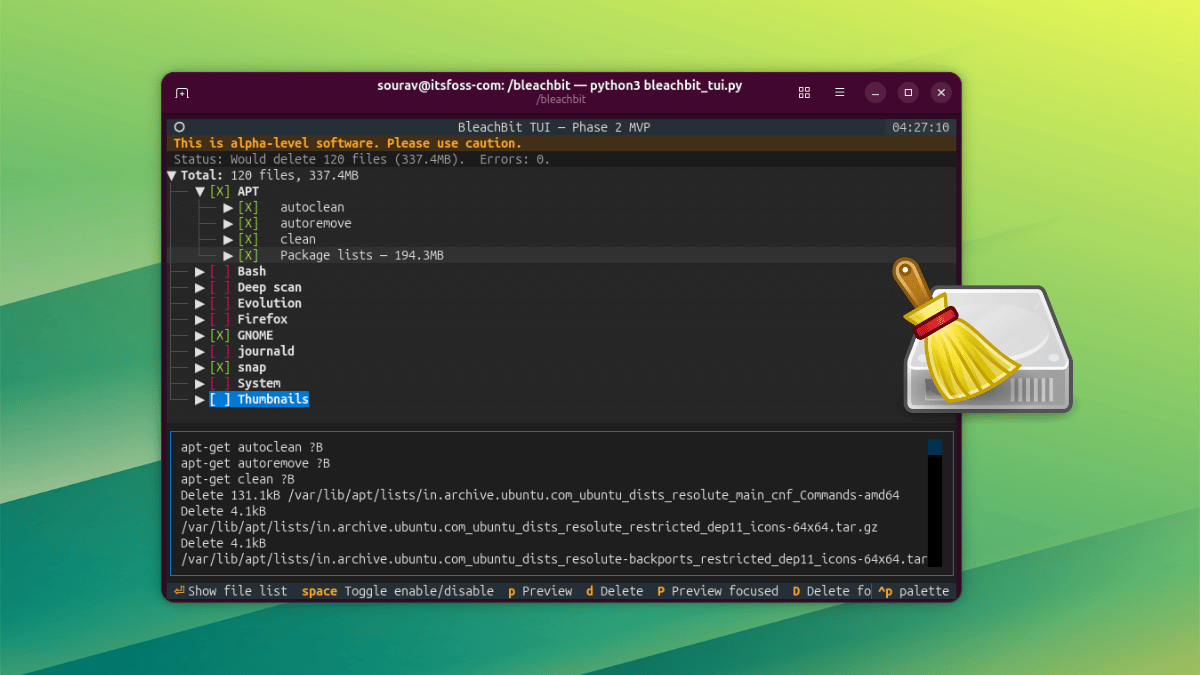
This isn’t about a bug; it’s about the elegant dance of decision-making when you’re not just fixing code, but refining its very soul. We’re talking about <a href="/tag/charmbraceletglow/">charmbracelet/glow</a>, a command-line tool, and a seemingly minor issue: a TUI (Text User Interface) that stubbornly ignored a style preference.
So, what does this mean for you, the person who actually uses software? It means that beneath the surface of every slick application, there’s a battle for clarity. It means that the people building these tools are wrestling with how to make their code not just functional, but understandable and future-proof. This little bug fix is a microcosm of a larger shift, a proof to the power of making small, deliberate choices that cascade into significant improvements down the line.
Is a Bug Fix Really a Philosophy Lesson?
A fresh bug report landed, straightforward enough: TUI doesn't respect --style. The user ran glow --tui -s light, expecting a bright interface, but got darkness. Standard stuff. A quick conditional statement, a test, and poof – problem solved, right? Well, not entirely. The real story here, the one that truly electrifies the tech enthusiast’s soul, isn’t the patch itself, but the architectural choice made during its application.
See, the temptation is always to go for the quickest fix. The glow maintainer could have just jammed a quick if statement into the existing code, a few lines of logic that would have squashed the bug. But they didn’t. They saw an opportunity to elevate.
The trigger to extract was that the rule is the bug. The rule is what the test pins. The rule is what the next contributor edits when an environment variable gets added or removed.
This is where the magic happens. Instead of a buried, inline conditional, a new function was born: resolveTUIStyle. This function encapsulates the entire precedence logic – how command-line flags, environment variables, and defaults interact. Suddenly, the code doesn’t just do something; it declares a principle. It’s like transforming a muttered instruction into a printed policy. Beautiful.
Why Does This Matter for Developers?
This isn’t just about pretty code. This is about maintainability. Imagine a future contributor, years from now, needing to add a new input source for styling. If the logic is spread out, a tangled mess of ifs and elses, that contributor is going to spend hours just finding the relevant code, let alone understanding it. But with a named, well-defined function like resolveTUIStyle, the path is clear. The function’s name is its documentation. Its doc comment is the operational manual.
This approach is a bulwark against the insidious creep of technical debt. It’s a proactive stance against the day when a simple fix becomes an all-hands-on-deck refactor. By extracting the precedence rule into its own entity, the glow project is setting itself up for graceful evolution, not inevitable decay.
And here’s a thought that might keep you up at night (in a good way): the maintainer almost shipped two copies of the helper function. One in the main code, and a duplicate in the test file. Yikes! That’s a recipe for disaster, a classic pitfall where your tests pass, but the actual shipped code is still broken because the test wasn’t actually testing what ran.
Catching that before committing is a win. It reinforces the golden rule of testing: write the production code first, then import it into your test file. Never the other way around. It’s the difference between a test that reflects reality and one that merely observes a separate, potentially corrupted, copy.
The Signal to Extract: When a Rule Becomes the Bug
When does a simple conditional deserve its own function? When that conditional isn’t just about executing a step, but about embodying a rule. The rule that says, “The command-line flag overrides the environment variable, which overrides the default.” This isn’t just about what the code does; it’s about what it means. Removing that inline conditional wouldn’t just change the behavior; it would obscure the explicit statement of precedence. It would dismantle the very meaning encoded in that logic.
This philosophy is fundamental to building resilient, adaptable software platforms. It’s about creating a codebase that’s not just a static artifact, but a living, breathing entity that can grow and change without collapsing under its own weight. It’s the kind of forward-thinking that separates the ephemeral from the enduring.