Forget what the press releases want you to believe. This isn’t about innovation; it’s about who’s got their hands out for your cash.
A simple desire for an affordable trip turned into a digital skirmish. Manan Santoki, looking to visit family from Phoenix, found himself staring down a $300 airfare. Then came the Frontier Airlines GoWild! summer pass – a ~$200 all-you-can-fly deal. The catch? Frontier’s own booking system apparently isn’t built for savvy travelers, making it a pain to actually use the pass effectively.
So, naturally, Santoki went looking for community help, landing on Reddit’s r/gowildfrontier. That’s where he discovered a whole ecosystem of third-party tools – services like gopassflights.com – that scrape Frontier’s publicly available booking data and present it in a more user-friendly format. Sound familiar? It should. This is the oldest trick in the book: find a free data source, wrap it in a pretty interface, and then charge users for access.
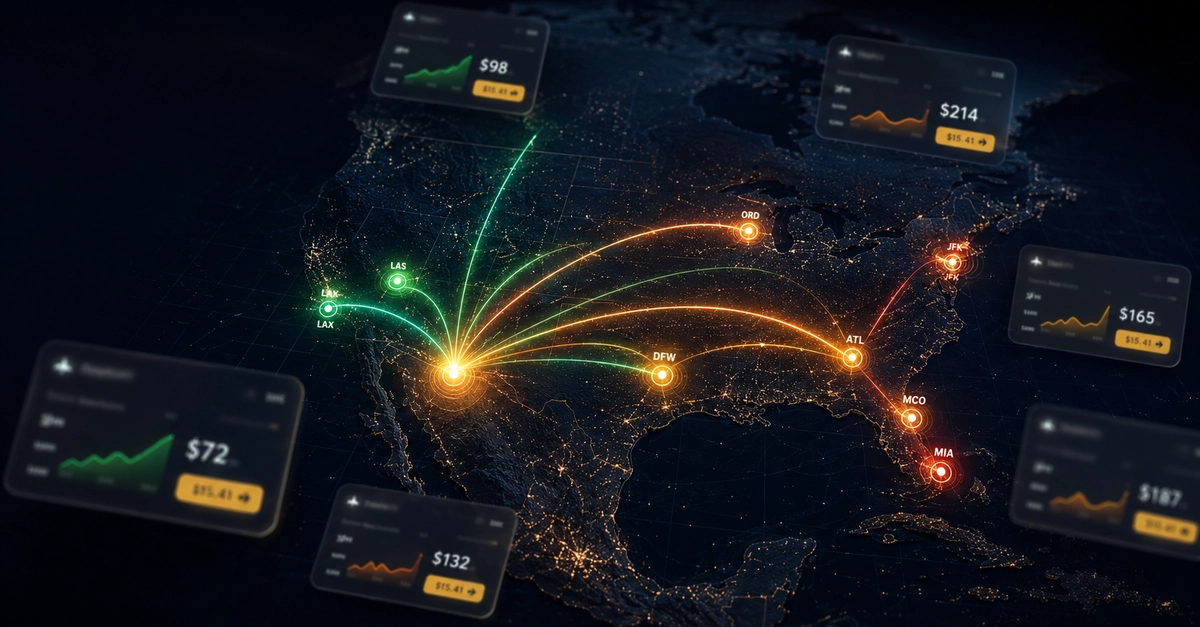
Here’s the kicker: almost all of them put the most useful features behind a paywall. Gatas for what? A $4.89/mo ‘Plus’ tier unlocks multi-airport searches and an interactive map. Want real-time availability and pricing? That’s behind a higher tier, or sometimes, like with SearchGWP, there’s no free tier at all. You pay or you’re out.
It begs the question: who is actually making money here, and what are they selling? It’s not just a better user experience; it’s about gating essential functionality, forcing users to pony up for basic access to information that Frontier itself makes available.
Santoki, understandably annoyed, decided to build his own tool. He called it LetsGoWild. It launched, and predictably, the existing players weren’t thrilled. Reddit, after initially buzzing about the free alternative, banned Santoki and removed his post. Apparently, upsetting the established order is a cardinal sin, even when you’re giving away the goods.
This isn’t just about Frontier. It’s a microcosm of a larger trend. Companies hoard data, but often the most valuable insights aren’t locked behind proprietary APIs; they’re just presented poorly. Then, a cottage industry pops up, repackaging that data, adding a bit of polish, and slapping a subscription fee on it. When someone disrupts that by offering a free alternative, the existing players get defensive.
gopassflights was the one I ended up deepest in, but as I surveyed the space it became obvious this is the norm, not the exception. Every comparable GoWild! tracker charges for the same scraped Frontier data
What’s particularly galling is the security vulnerability Santoki discovered and responsibly disclosed. Frontier’s system, apparently, was handing over data in a way that allowed for relatively easy scraping. Instead of thanking him, the community (or at least, the gatekeepers of it) seems to have turned on him.
This whole saga highlights a fascinating tension: the abundance of data versus the scarcity of accessible tools. While Frontier might argue it’s protecting its commercial interests, the reality is these third-party tools are making its own data more useful for its customers. And when one developer decides to democratize that usefulness, it’s met with resistance.
Why does this matter for the average flyer? Because it shows how easily a service can be monetized, even when the underlying data is essentially free. It’s a reminder to always ask who benefits, who pays, and whether that price is truly justified for the value received.
And for developers? It’s a cautionary tale. Build something useful, share it freely, and prepare for the ecosystem to fight back. It’s a messy business, this tech journalism. Always has been.
The Great Frontier Data Grab
Santoki’s journey from ticket-seeker to banned Reddit user is a masterclass in unintended consequences. Frontier’s GoWild! pass, designed to boost bookings, inadvertently created a fertile ground for data scrapers. These tools, while often useful, represent a recurring pattern: publicly accessible information repackaged and sold.
Look at the pricing tiers. Gating features like multi-airport search and interactive maps behind monthly subscriptions feels less like innovation and more like rent-seeking on data that shouldn’t require a toll. The fact that some services, like SearchGWP, offer no free entry point at all underscores the aggressive monetization strategy at play.
Who’s Actually Making Money Here?
This is the million-dollar question, isn’t it? Frontier is selling passes, but the real money seems to be flowing into the pockets of these third-party tool developers. They’re capitalizing on the frustration users feel with the official interface, offering a slightly smoother ride for a recurring fee. It’s a smart, if somewhat predatory, business model: use another company’s data, build a niche tool, and then charge for perceived convenience and added features that, arguably, should be part of the original service.
Santoki’s move to create a free alternative directly challenged this established revenue stream. His experience on Reddit, facing bans and post removals, suggests a coordinated effort to protect existing paywalls. It’s a stark reminder that in the digital marketplace, value isn’t always about innovation; it’s often about controlling access.
What Does This Mean for Real People?
For travelers hoping to snag a cheap flight, it means wading through a murky landscape of subscription services. It means understanding that the ‘free’ options often come with severe limitations, and the ‘better’ tools have a monthly price tag. It means Frontier’s data, while technically public, is effectively locked behind multiple layers of paid access, thanks to these third-party intermediaries.
Santoki’s free LetsGoWild tool, despite the backlash, offers a glimpse of what’s possible when data is shared openly. It’s a beacon of hope for budget travelers tired of opaque pricing and frustrating interfaces. His responsible disclosure of a security flaw also adds another layer to the story, suggesting Frontier’s own systems are ripe for exploitation – data that others are now profitably monetizing.
Will This Change How Airlines Share Data?
Probably not. Airlines are notoriously protective of their data. While Santoki’s tool might put a spotlight on the paywall issue, Frontier has little incentive to make its own booking system more user-friendly if third parties are already doing the heavy lifting and paying for it (indirectly, through their subscriptions that Frontier doesn’t see a cut of, but still). The real hope is for more developers to follow Santoki’s lead, creating openly accessible tools that pressure the status quo. But given the Reddit ban, that path is fraught with peril.
How to Access Frontier GoWild! Data for Free
Manan Santoki’s LetsGoWild tool (letsgowild.msantoki.com) was built as a free alternative. While community reception and platform moderation can be unpredictable (as Santoki experienced with Reddit), his project aimed to provide an open-source approach to accessing the GoWild! flight data. Keep an eye on such open-source initiatives for truly free access points.
What Was the Security Vulnerability Found?
While the original post doesn’t detail the specifics of the vulnerability, it mentions that Santoki responsibly disclosed a security hole related to how Frontier’s booking system made data available. This suggests the system was allowing for easier scraping than intended, which is how many of these third-party tools operate.