Venezuela needs tech. But not the kind you see in Silicon Valley pitches.
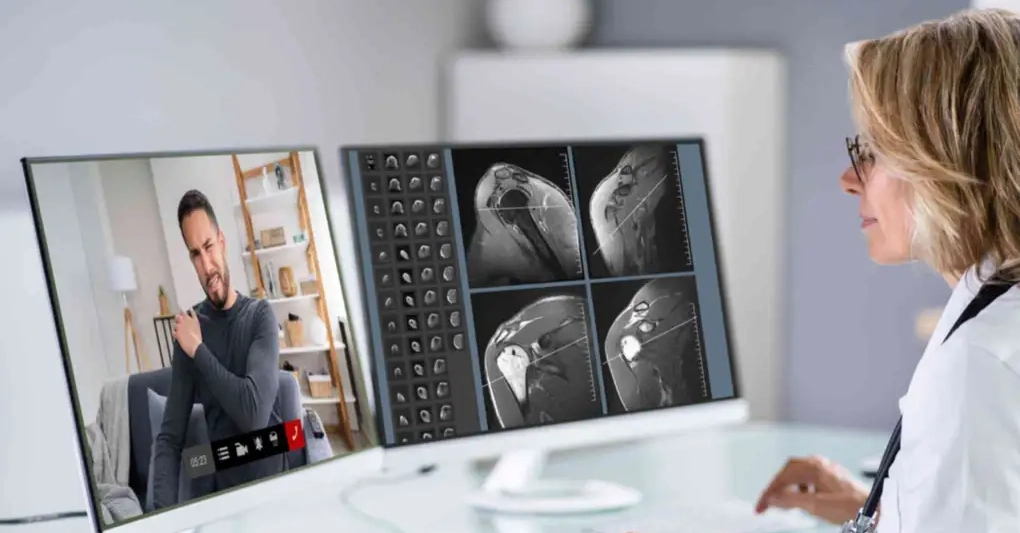
This isn’t about shiny interfaces or bleeding-edge AI. This is about getting a doctor to a patient when the grid flickers and the Wi-Fi is a suggestion. Telemedicine, for Venezuela in 2026, isn’t a luxury. It’s a necessity. But the usual suspects – your Zoom, your Teams – they’re out. They’re built for a world that doesn’t exist there.
The Core Problem: Unreliable Everything
Clinics in Venezuela face a trifecta of challenges that cripple most off-the-shelf telemedicine solutions. First, there’s connectivity. It’s a patchwork quilt of ‘maybe working’ and ‘definitely not.’ Then comes power. Blips and blackouts are routine. And finally, patient devices. They’re a mixed bag of old phones, new phones, and everything in between. Assuming a patient can download an app, create an account, and maintain a stable HD video stream? That’s a fast track to failure.
The problem isn’t lack of interest. The problem is that most telemedicine software was designed for ideal conditions: stable connections, modern devices, uninterrupted electricity, and patients comfortable installing apps without friction. That’s not Venezuela’s reality.
This isn’t just about hardware. It’s about a fundamental mismatch between ambition and reality. The tech industry loves to tout innovation. Here, innovation means making something simpler, not just newer.
What Does ‘Works’ Even Mean Here?
Forget bells and whistles. A functional telemedicine system in Venezuela needs three things:
- Real Connectivity: It must work on weak signals. Think SD video at best, audio or text when things get tough. HD is a fantasy.
- Operational Continuity: Power outages happen. The system needs to pick up where it left off. No lost data. No redoing paperwork.
- EHR Integration: smoothly data flow is key. But that’s a distant dream for many. The immediate need is any reliable digital link.
Choosing a platform isn’t about features lists. It’s about understanding the daily grind of a Venezuelan clinic. It’s about resilience. It’s about meeting patients where they are, not where you wish they were.
WhatsApp Business: The Unsung Hero
This might sound like heresy to tech purists, but WhatsApp Business is the pragmatic workhorse. It’s not for video calls, mind you. It’s for everything around the call: appointment confirmations, reminders, initial triage, and post-visit follow-ups. Why? Because everyone already uses it. No new apps, no new accounts. The friction is virtually zero. This drastically cuts down on no-shows. We’re talking potential reductions of 35-50%, a huge win in any healthcare system, let alone one facing these hurdles.
It’s the lowest-hanging fruit. And often, the most impactful.
Jitsi Meet: For the Technically Inclined (and Brave)
For clinics that want more control, self-hosted Jitsi Meet is a solid contender. You own the infrastructure. You control the data. This offers independence from fickle cloud providers. Jitsi’s flexibility is its strength. It’s a foundation for an in-house solution. But it demands some technical chops. If your clinic has someone who can manage a server, it’s a viable path. If not, steer clear.
Doxy.me: Simplicity First
Doxy.me offers a user-friendly experience with its virtual waiting room and link-based access. It’s great for simple follow-ups and patients less comfortable with technology. Its main drawback? Data governance and reliance on external infrastructure. For some, it’s fine. For others, the lack of control is a deal-breaker. It’s a trade-off.
What to Ditch Immediately
Zoom and Microsoft Teams are overkill. They’re designed for boardrooms, not backwater clinics. They add complexity patients don’t need. Privacy is another concern. Their broad-use focus doesn’t always align with strict health data requirements, especially when dealing with sensitive information in a less regulated environment.
The Future is Frugal
What does this all mean? Telemedicine in Venezuela is a lesson in priorities. It’s about making do. It’s about adapting technology to real-world constraints. It’s a stark reminder that the most ‘advanced’ tech isn’t always the most useful. Sometimes, the best solution is the one that’s already in everyone’s pocket and requires zero downloads.
This is where Open Source shines. Jitsi is free. WhatsApp Business is ubiquitous. These aren’t bleeding-edge marvels; they’re practical tools for a challenging environment. The future of telemedicine in places like Venezuela won’t be driven by VC-funded startups peddling complex platforms. It will be built on pragmatic, accessible, and resilient solutions.
And that, frankly, is a good thing. It forces a focus on what matters: patient care, not flashy demos.