Frameworks are overrated.
Look, we’ve all been there. Three browser tabs open, a Reddit thread from 2019 buzzing about PHP’s demise, a YouTube video confidently declaring it dead by 2026, and another just as loudly proclaiming its eternal life. Meanwhile, not a single line of code gets written. It’s a paralysis induced by analysis, a symptom of a developer culture obsessed with the shiny new thing instead of the functional old thing. The truth is, the framework debate is a colossal distraction, a time sink I’ve personally experienced, and one I’m here to save you from.
PHP, that old dog, arrived in 1994. It was an accident. Messy? Absolutely. Yet, it powers nearly half the web. WordPress, Laravel, WooCommerce – these aren’t just names; they’re ecosystems. PHP might not be glamorous, but it damn well pays the bills. It’s the workhorse you can reliably hitch to a cart and expect it to reach its destination. Don’t knock the grit.
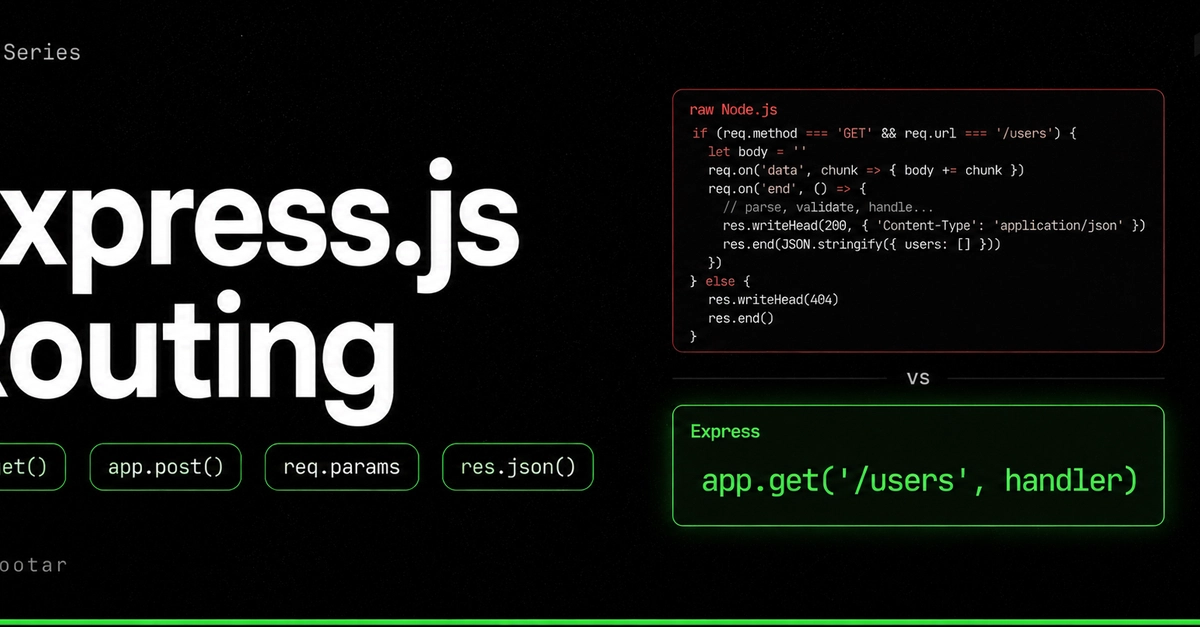
Then Node.js landed in 2009. Its genius? Simple: stop making threads wait. Handle I/O like a browser handles clicks – non-blocking. Suddenly, JavaScript was king of the server. One language, front to back. Developers ate it up. And it’s stuck. Fast, efficient, and versatile.
Next.js, bless its heart, gave React a much-needed backbone. Server rendering, file-based routing, APIs – all neatly bundled. It’s had its awkward teenage phases (looking at you, v13), but v15 is solid. It’s the de facto home for the React universe now, the place where React developers live and breathe.
Angular. Ah, Angular. The enterprise behemoth. Built by Google, opinionated, and bundled with everything. Banks, governments, and other large, risk-averse entities swear by it. Indie developers? They tend to give it a wide berth. It’s the corporate workhorse, dependable but perhaps lacking a certain joie de vivre for the solo tinkerer.
So, what should you learn? It’s not about what’s trending; it’s about your goals.
Want freelance income, fast? PHP and Laravel. The WordPress market alone is an ocean of opportunity. The learning curve is manageable, and you’ll be billing clients before the “modern stack” evangelists even finish their boilerplate setup. This isn’t a critique; it’s a tactical recommendation for immediate financial return.
Aiming for a product company job? React with Next.js. This is the undisputed champion in hiring these days. Full stop. If you want to be in the room where it happens at many tech companies, this is your ticket.
Love real-time applications? Node.js. Chat apps, websockets, streaming data – this is its natural habitat. It excels where low latency and high concurrency are king.
Targeting enterprise clients or corporate roles? Angular. The jobs are often stable, well-compensated, and provide a long runway. It’s the safe harbor in a sea of ephemeral trends.
My core insight here? The specific technology you choose matters far less in your first year than your ability to actually build things. A developer who has shipped production code in PHP can pick up Node.js in a matter of weeks. Someone fluent in React will grasp Angular concepts faster than any bootcamp can teach them fundamentals.
This is the enduring truth: concepts transfer. Confusion is a temporary hurdle. But paralysis – the inability to choose and build – is a permanent career impediment. This has been true for decades, and it’s still true now.
So, pick something. Build something ugly. Deploy it. Break it. Fix it. Repeat. That’s how you learn. That’s how you get paid. And that’s how you’ll still be succeeding in 2026, and probably long after.
Why Do Framework Debates Persist?
It’s a self-perpetuating cycle. The tech industry thrives on novelty, and the constant churn of new frameworks and libraries creates a perpetual buzz. Developers often feel pressure to stay current, leading to analysis paralysis. Furthermore, these debates offer a sense of belonging within specific online communities and provide ample fodder for content creation – blog posts, videos, conference talks – all reinforcing the idea that the choice of stack is paramount. But it’s often more about identity and marketing than pure technical merit.
What Was PHP’s Humble Beginning?
PHP was born from a guy tracking visitors on his homepage in 1994. Accidental. Messy. But it stuck — and today powers 43% of the web.
Initially, PHP, which stood for Personal Home Page, was a simple set of CGI binaries written in C. Rasmus Lerdorf created it to manage his personal website. Its ease of use and embedded nature within HTML made it incredibly accessible, allowing for rapid development of dynamic web content. This low barrier to entry was key to its widespread adoption and eventual evolution into the strong language powering a significant portion of the internet.
FAQ
Will learning [a specific framework] replace my job?
No single framework or language will guarantee job security on its own. Your ability to build, problem-solve, and adapt is what’s valuable. Frameworks are tools; mastering them is important, but understanding underlying programming concepts and learning new tools quickly is far more critical for long-term career health.
Is it better to learn PHP or Node.js first?
If your goal is rapid freelance income, PHP with Laravel is often a quicker path due to the massive WordPress ecosystem. If you’re targeting product company jobs, especially those using React, Node.js and Next.js are more in demand. Both are excellent choices; your career goals should dictate your starting point.
What’s the deal with Next.js in 2026?
Next.js continues to be a dominant force in the React ecosystem. Its ongoing development focuses on performance improvements, enhanced developer experience, and server components, solidifying its position as the go-to framework for building modern, scalable React applications. It’s less about what it will be and more about what it already is for many teams.