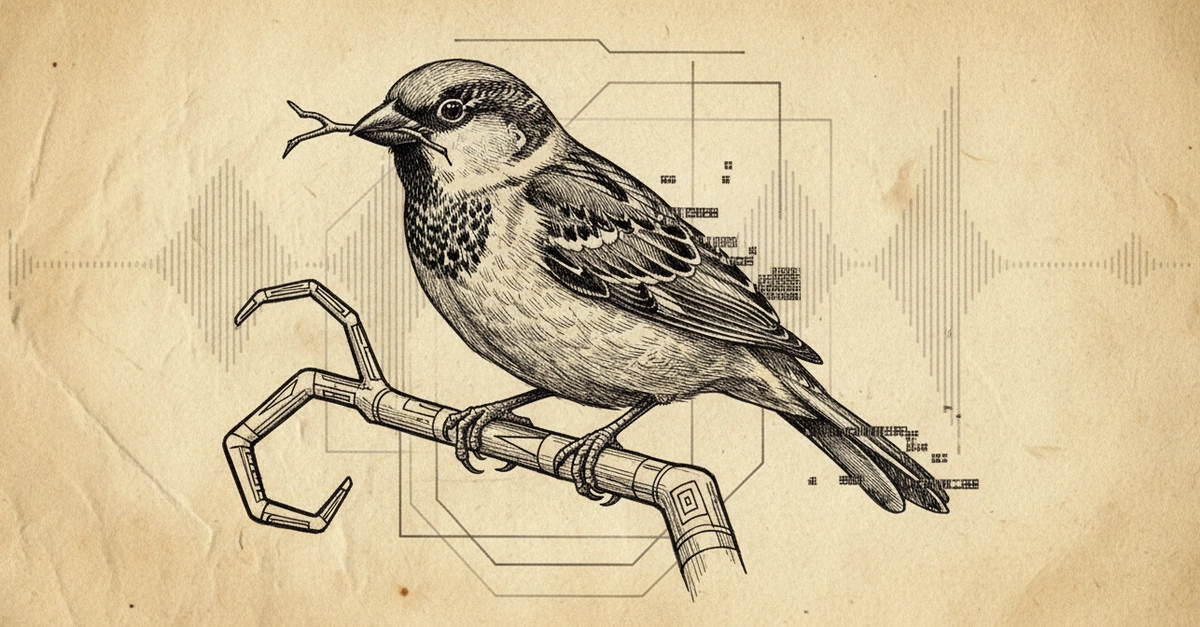
Rust's Dynamic Duo: rs-trafilatura Turbocharges spider-rs Crawls
Imagine crawling the web like a laser-guided drone, snagging clean content with confidence scores. rs-trafilatura and spider-rs make it real in Rust.

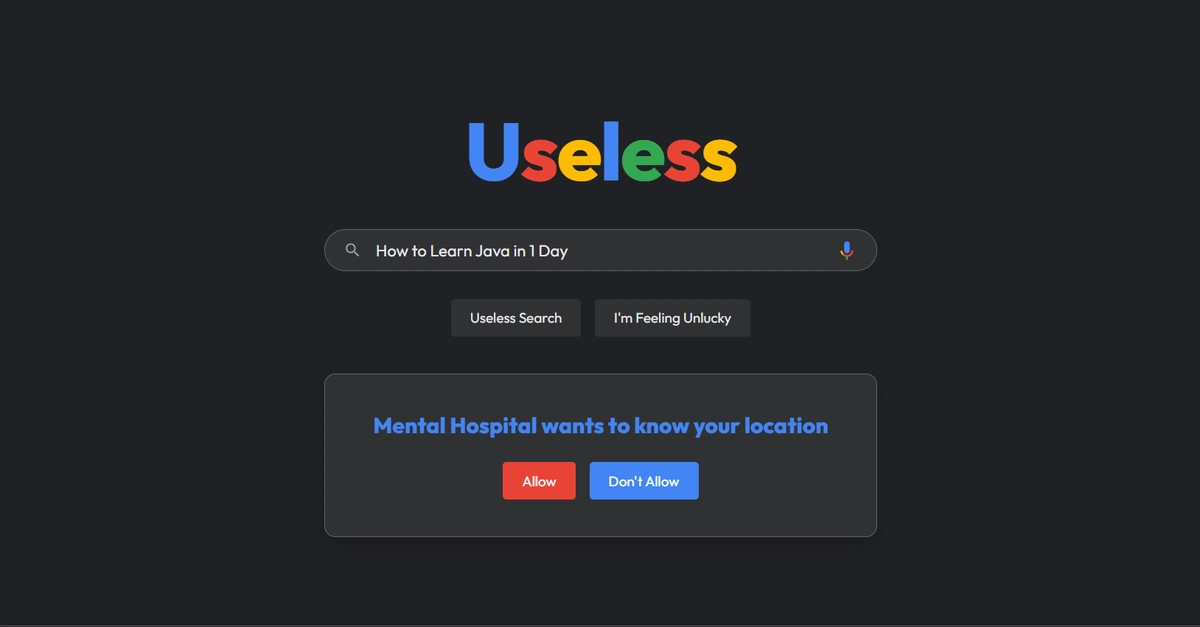
One button. Eternal spinner. Zero results. The Unhelpful Helper 3000 isn't fixing your problems—it's amplifying them for laughs. Finally, someone admits UI design is often a joke.
Imagine crawling the web like a laser-guided drone, snagging clean content with confidence scores. rs-trafilatura and spider-rs make it real in Rust.
Another webinar promises to turn you into a full-stack wizard overnight. But as a 20-year Valley vet, I've seen this script before—let's cut through the spin.
Someone built an AI to scan medicinal plant leaves, spot diseases, and spit out remedies. Sounds handy — until you poke at the details.
Scrapy crawlers have limped along with pokey extractors for years. rs-trafilatura drops in Rust horsepower, turning raw HTML into gold without breaking a sweat.
Forget spy-free promises from Big Tech. Maple Linux 1.4, straight from Ontario, boots clean and respects your data like a true northerner.
Picture this: your AI buddy suddenly knows advanced prompt engineering without you typing a word. spm, the new package manager for AI skills, promises to end the chaos of scattered prompts forever.
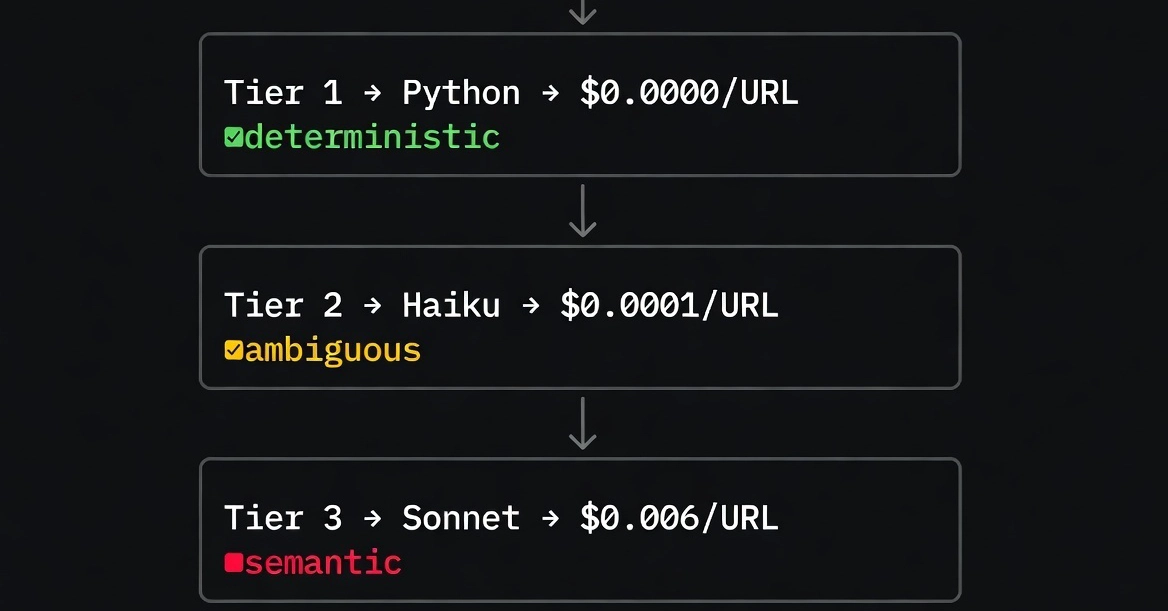
Paying pennies per URL for title length checks? Stupid. One commenter fixed it with a tiered system that's smarter than the original.
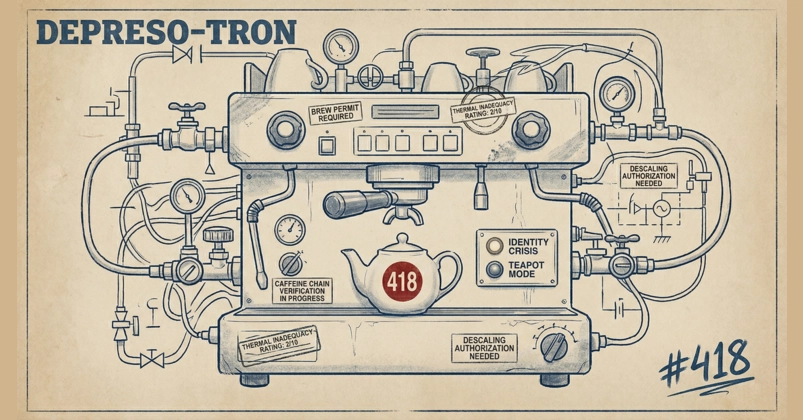
Three days in production, zero cups brewed—mission accomplished for Depresso-Tron 418. This April Fools gem mocks enterprise bloat with a coffee protocol from 1998.
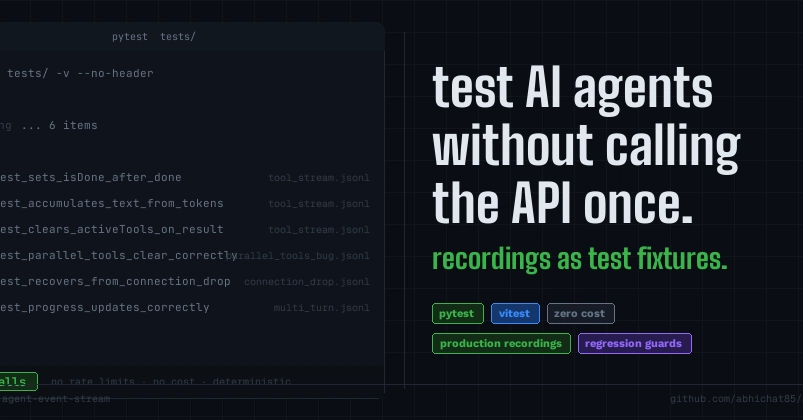
AI agent UIs are flaky nightmares in tests. One dev's trick: hijack production streams as fixtures. No more real API hits, just pure, replayable determinism.
Imagine your go-to vulnerability scanner suddenly phoning home with your secrets. That's exactly what Trivy v0.69.4 did to unsuspecting users last week.
You'll hit walls. Lots of them. But the developers who succeed aren't smarter—they just know what to expect. Here's what nobody tells you before you ship your first Android app.
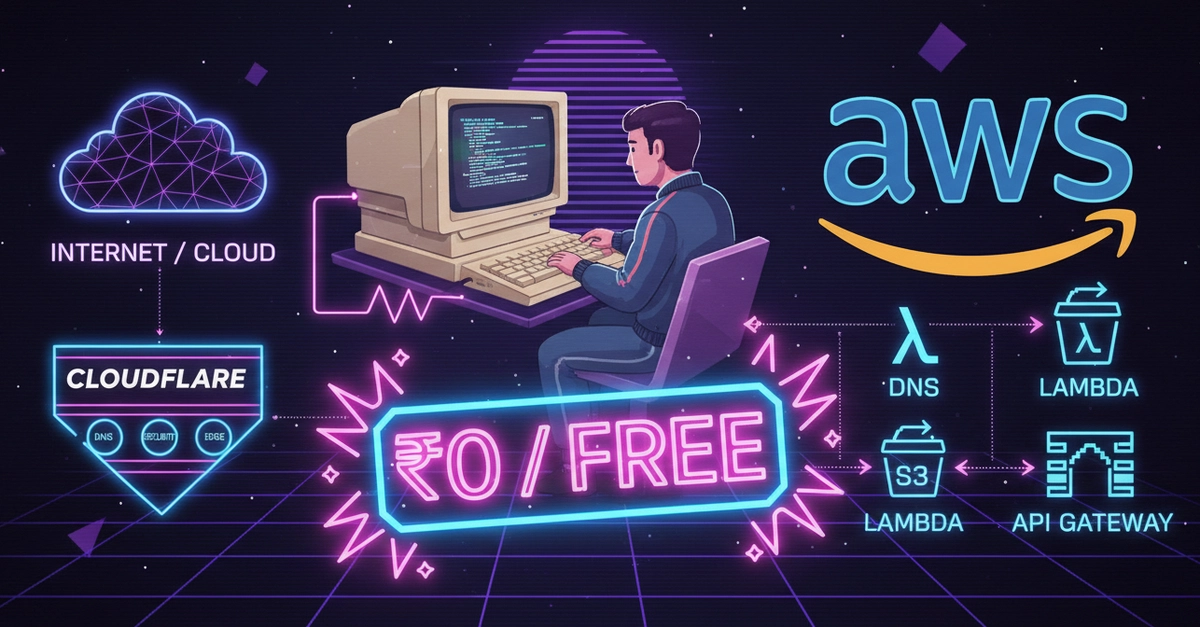
A developer built a full production infrastructure—with HTTPS, custom domain, and scalable compute—for exactly ₹0. Here's the architecture that worked, and the gotchas that almost broke it.